
Here’s a strange side effect of modern medicine: once you learn that surgery is no longer the only way to treat varicose veins, you’re immediately handed a new problem — choosing between several excellent, minimally invasive options that all sound remarkably similar on paper.
Laser vs. RFA vs. Sclerotherapy — which varicose vein treatment fits you? Dr. Alok Kumar Udiya, Care CHL Hospital Indore, LIG Square, compares all three.
Laser ablation. Radiofrequency ablation (RFA). Sclerotherapy. All three are effective. All three are minimally invasive. All three are performed as outpatient procedures. So which one is actually right for you?
The honest answer is: it depends on your specific veins, and often, the best plan combines more than one technique. This guide breaks down exactly how laser, RFA, and sclerotherapy differ — in how they work, how much they hurt, how well they work long-term, and who each one suits best — so you can walk into your consultation with Dr. Alok Kumar Udiya at CARE CHL Hospital, near LIG Square, Indore, already understanding your options.
The Three Main Options at a Glance
Endovenous Laser Ablation (EVLA / EVLT)
A thin laser fibre is inserted into the diseased vein through a tiny needle puncture. As the fibre is slowly withdrawn, it delivers laser energy that heats and seals the vein wall shut from the inside. The closed vein is gradually reabsorbed by the body, and blood reroutes naturally through healthier veins.
Radiofrequency Ablation (RFA)
RFA works on the same core principle as laser — sealing the diseased vein from within — but uses radiofrequency (heat) energy delivered through a catheter instead of laser light. Under ultrasound guidance, the catheter heats the vein wall to around 120°C in controlled segments as it’s withdrawn.
Ultrasound-Guided Foam Sclerotherapy (UGFS)
A liquid chemical (sclerosant), whipped into a foam, is injected directly into the diseased vein under ultrasound guidance. The foam irritates the vein wall, causing it to spasm, stick together, and eventually scar closed. No heat or laser energy is involved at all.
Also Read: How to Get Rid of Varicose Veins Without Surgery — A Complete Guide
Laser vs. RFA vs. Sclerotherapy — Side-by-Side Comparison
| Factor | Laser (EVLA) | RFA | Sclerotherapy |
|---|---|---|---|
| Energy source | Laser light | Radiofrequency (heat) | Chemical (sclerosant foam) |
| Best for | Larger, main trunk veins | Larger, main trunk veins | Smaller, tributary & residual veins |
| Anaesthesia | Local (tumescent) | Local (tumescent) | Usually none needed |
| Immediate discomfort | Moderate | Lower than laser | Lowest of the three |
| Procedure time | 30-60 minutes | 45-60 minutes | 20-40 minutes |
| Long-term vein closure | Excellent (often 90%+) | Excellent, often slightly higher than laser in studies | Good, may need repeat sessions |
| Sessions typically needed | Usually 1 | Usually 1 | Often 1-3, depending on veins treated |
| Scarring | Virtually none | Virtually none | None (needle-only) |
| Multiple veins in one visit | Limited | Limited | Yes, easily |
| Relative cost per session | Moderate-higher | Moderate-higher | Lower |
(Individual results vary — your specialist will confirm which option, or combination, fits your specific veins.)
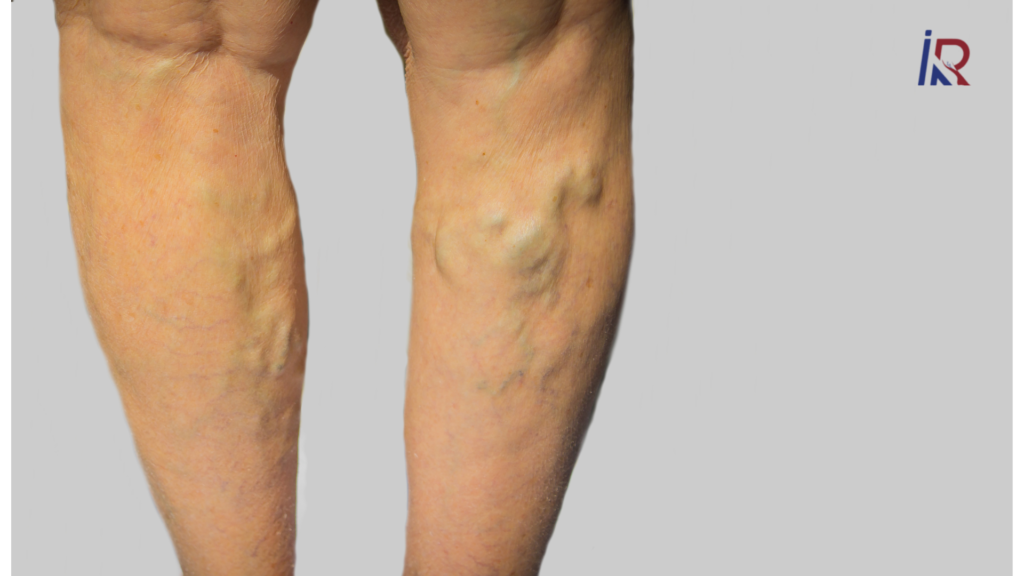
Laser (EVLA) vs. RFA — What’s the Real Difference?
Because these two are so often compared directly, they deserve a closer look.
The mechanism is the key distinction: EVLA uses focused laser light to generate heat as the fibre is continuously withdrawn, while RFA uses radiofrequency energy delivered in controlled segments through a catheter, heating the vein wall to a consistent, moderated temperature.
Comfort and bruising: Clinical studies comparing the two have generally found that RFA is associated with less immediate post-procedure pain and bruising than EVLA, along with a somewhat quicker return to normal activity for some patients — though both are still far gentler than traditional surgery.
Long-term effectiveness: Both techniques are highly effective, with success rates typically well above 90% in the first year. Looking further out, some longer-term studies have found RFA achieving slightly higher vein closure rates than EVLA at the five-year mark, though both remain excellent options and individual results depend heavily on the vein’s size, anatomy, and the treating specialist’s technique.
Bottom line: For most patients with a larger, diseased trunk vein (like the great saphenous vein), either laser or RFA is an excellent choice, and the decision often comes down to your specific vein anatomy and your specialist’s clinical judgement, rather than one being universally “better” than the other.
Also Read: Varicose Veins Symptoms: Early Signs, Causes & When to See a Doctor
When Is Sclerotherapy the Better Choice?
Sclerotherapy shines in situations where laser and RFA aren’t the ideal tool:
- Smaller varicose veins and spider veins that are too small for a laser fibre or RFA catheter
- Tributary veins — smaller branch veins feeding off a larger vein that’s already been treated with laser or RFA
- Residual or recurrent small veins after a previous procedure
- Patients who want to avoid anaesthesia injections altogether
- Multiple smaller veins that need to be addressed in a single visit
Sclerotherapy also tends to be the most immediately comfortable of the three options and the most cost-effective per session, though larger or more numerous veins may require more than one sitting to fully resolve.
Which Treatment Is Right for You? Key Decision Factors
1. The Size and Type of Your Veins
This is usually the single biggest factor. Large, bulging trunk veins generally respond best to laser or RFA. Smaller, thread-like, or spider veins respond best to sclerotherapy.
2. Your Pain Tolerance and Anaesthesia Preference
If you’d strongly prefer to avoid any injected anaesthesia, sclerotherapy may be the more comfortable starting point. If you’re comfortable with local anaesthesia, laser or RFA can address larger veins in a single, more definitive session.
3. How Many Veins Need Treatment
If you have several separate small veins to treat, sclerotherapy allows multiple veins to be addressed in one visit. A single large trunk vein is typically better suited to one laser or RFA session.
4. Budget Considerations
Sclerotherapy generally carries a lower cost per session, though multiple sessions may be needed for extensive veins. Laser and RFA usually resolve the main problem vein in a single session, which can offset the higher per-session cost.
5. Your Cosmetic and Downtime Priorities
All three options are minimally invasive with fast recovery, but if a single, most-definitive treatment for your main problem vein matters most to you, laser or RFA is usually the more direct route.
Also Read: Varicose Veins: Causes, Symptoms & The Best Non-Surgical Treatments in 2026
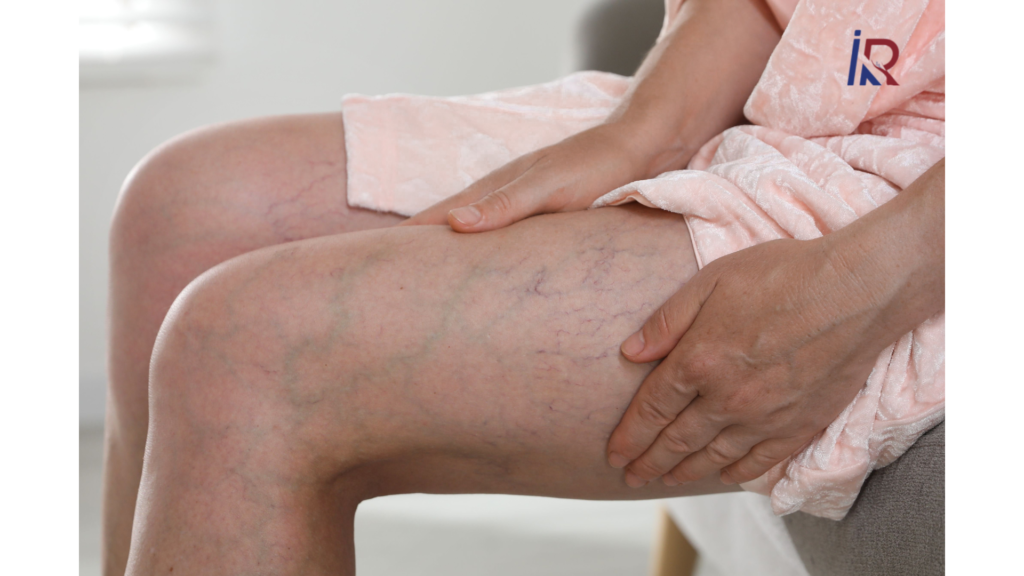
Can These Treatments Be Combined?
Very often, yes — and this is one of the most important things to understand. Many patients don’t need to choose just one technique. A common, highly effective approach is:
Laser or RFA for the main trunk vein (the source of the problem) combined with sclerotherapy for the smaller tributary veins branching off it. This “combination therapy” approach treats the root cause definitively while cleaning up the visible smaller veins in the same overall treatment plan — often giving both the best functional and cosmetic result.
Your duplex ultrasound evaluation will map exactly which veins are involved, allowing Dr. Alok Kumar Udiya to recommend the most effective combination for your specific case, rather than a one-size-fits-all approach.
What to Expect: Procedure Day and Recovery, Compared
| Laser (EVLA) | RFA | Sclerotherapy | |
|---|---|---|---|
| On the day | Local anaesthesia, walk out same day | Local anaesthesia, walk out same day | No anaesthesia usually needed, walk out immediately |
| Compression stockings | Yes, for 1-2 weeks | Yes, for 1-2 weeks | Often for a shorter period |
| Return to desk work | 1-2 days | 1-2 days | Same day to 1 day |
| Return to physical activity | 3-5 days | 3-5 days | 1-2 days |
| Follow-up ultrasound | Yes, to confirm closure | Yes, to confirm closure | May be repeated per session |
Meet Dr. Alok Kumar Udiya — Interventional Radiologist, Indore
Dr. Alok Kumar Udiya is a Senior Consultant Interventional Radiologist at CARE CHL Hospital, Indore, offering all three treatments — laser ablation, RFA, and ultrasound-guided sclerotherapy — under one roof, along with the diagnostic expertise to determine which option, or combination, is right for you.
Education and Training
- MBBS — M.G.M. Medical College, Indore
- MD (Radiodiagnosis) — Lady Hardinge Medical College, Delhi University
- PDCC (Neuro-Intervention) — Sanjay Gandhi Post Graduate Institute of Medical Sciences (SGPGIMS), Lucknow, with training in peripheral vascular interventions
- PDCC (Hepatobiliary Interventional Radiology) — Institute of Liver and Biliary Sciences (ILBS), New Delhi
- FINR — Fellowship in Interventional Neuroradiology, University of Zurich, Switzerland
- EBIR — European Board of Interventional Radiology certified
He is a life member of the Indian Radiological and Imaging Association (IRIA) and the Indian Society of Vascular and Interventional Radiology (ISVIR), with 8+ years of dedicated experience in vascular intervention.
His Approach
Every treatment decision starts with a detailed duplex ultrasound to precisely map the affected veins — their size, location, and severity of reflux — before recommending laser, RFA, sclerotherapy, or a tailored combination of these techniques.
Learn more on the About Us page or explore Varicose Vein Care.
Why Choose Intervention Radiology Indore at CARE CHL Hospital (LIG Square)?
Intervention Radiology Indore operates from CARE CHL Hospital, a NABH-accredited, 225-bed multi-specialty hospital serving central India since 2001, offering:
- Advanced duplex ultrasound for precise treatment planning
- Access to all three modern techniques — laser, RFA, and sclerotherapy — in one centre
- Same-day, outpatient procedures with minimal downtime
- A specialist with internationally trained vascular expertise
- Consultations available in Hindi and English
Clinic Locations, Timings & How to Book
CARE CHL Hospital (near LIG Square) 📍 AB Road, near L.I.G. Square, RSS Nagar, Indore, Madhya Pradesh – 452008 🕙 OPD consultation hours: 10:00 AM – 5:00 PM
Evening Clinic — Panama Tower 📍 403, Panama Tower, Geeta Bhawan Square, near Crown Palace, South Tukoganj, Indore, Madhya Pradesh – 452001 🕕 Consultation hours: 6:00 PM – 8:00 PM
📞 Call/WhatsApp: +91 99993 78980 ✉️ Email: dralokudiya@gmail.com 🌐 Website: interventionradiologyindore.com
The LIG Square location on AB Road is a well-known Indore landmark, easily reached from across the city as well as Dewas, Ujjain, and the wider Malwa region.
Frequently Asked Questions
Is RFA better than laser for varicose veins?
Neither is universally “better” — both are highly effective, minimally invasive treatments for larger varicose veins. Studies generally show RFA causes somewhat less immediate discomfort and bruising, while both techniques deliver excellent long-term success rates above 90%. Your specialist will consider your specific vein anatomy when recommending one.
Is sclerotherapy as effective as laser or RFA?
For its intended purpose — smaller, spider, and tributary veins — sclerotherapy is highly effective. It is not typically the first choice for large, main trunk varicose veins, where laser or RFA generally provide more definitive, longer-lasting closure in a single session.
Which treatment is the least painful?
Sclerotherapy is generally the most comfortable immediately after treatment since it usually requires no anaesthesia injections. RFA tends to be more comfortable than laser, though both are done under local anaesthesia with only mild reported discomfort.
Can I have more than one type of treatment?
Yes, and it’s common. Many patients receive laser or RFA for their main problem vein and sclerotherapy for smaller branch veins in the same overall treatment plan, often giving the best combined result.
How do I know which treatment I need?
A duplex ultrasound evaluation of your veins will show their size, location, and severity, allowing your specialist to recommend the most appropriate single treatment or combination for your specific case.
Where can I get laser, RFA, or sclerotherapy treatment in Indore?
Dr. Alok Kumar Udiya, Interventional Radiologist at CARE CHL Hospital, near LIG Square, Indore, offers all three treatments. Call or WhatsApp +91 99993 78980 to book a consultation.
Conclusion
Laser, RFA, and sclerotherapy are all excellent, proven, minimally invasive treatments — the “right” choice depends entirely on the size, location, and pattern of your own veins, not a universal ranking. For many patients, the best outcome comes from combining techniques rather than picking just one.
The most useful next step isn’t deciding in advance which treatment you want — it’s getting an accurate duplex ultrasound evaluation so your specialist can recommend the approach genuinely suited to your veins.
Dr. Alok Kumar Udiya at CARE CHL Hospital, LIG Square, offers all three techniques under one roof, along with the diagnostic expertise to match the right treatment, or combination, to you.
Book Your Consultation Today
📍 CARE CHL Hospital, AB Road, near LIG Square, RSS Nagar, Indore, MP 452008 (OPD: 10 AM-5 PM) 📍 Evening Clinic, 403 Panama Tower, Geeta Bhawan Square, Indore, MP 452001 (6 PM-8 PM) 📞 +91 99993 78980 🌐 interventionradiologyindore.com 👨⚕️ Dr. Alok Kumar Udiya — Interventional Radiologist, Indore
Not sure which treatment fits your veins? Book a duplex ultrasound evaluation with Intervention Radiology Indore and get a clear, personalised recommendation.
Disclaimer: This blog is intended for educational purposes only and does not constitute medical advice. Individual results and recommendations vary. Please consult a qualified medical professional for diagnosis and treatment of any health condition.