
Few conditions are as visible, as common, and yet as widely misunderstood as varicose veins. Because they’re so easy to see — those bulging, twisted, blue-purple veins on the legs — everyone seems to have an opinion about what causes them, whether they’re dangerous, and what “actually works” to treat them.
The trouble is, most of that advice comes from word of mouth, not medicine. And some of these myths aren’t just harmless old wives’ tales — they actively cause people to delay proper treatment, tolerate years of unnecessary discomfort, or avoid activities that would genuinely help them.
As an Interventional Radiologist who treats varicose veins every week at CARE CHL Hospital, near LIG Square, Indore, I hear these same seven myths from patients over and over. Let’s clear them up, one at a time.
Myth #1: Varicose Veins Are Just a Cosmetic Problem
This is probably the single most common — and most costly — myth out there.
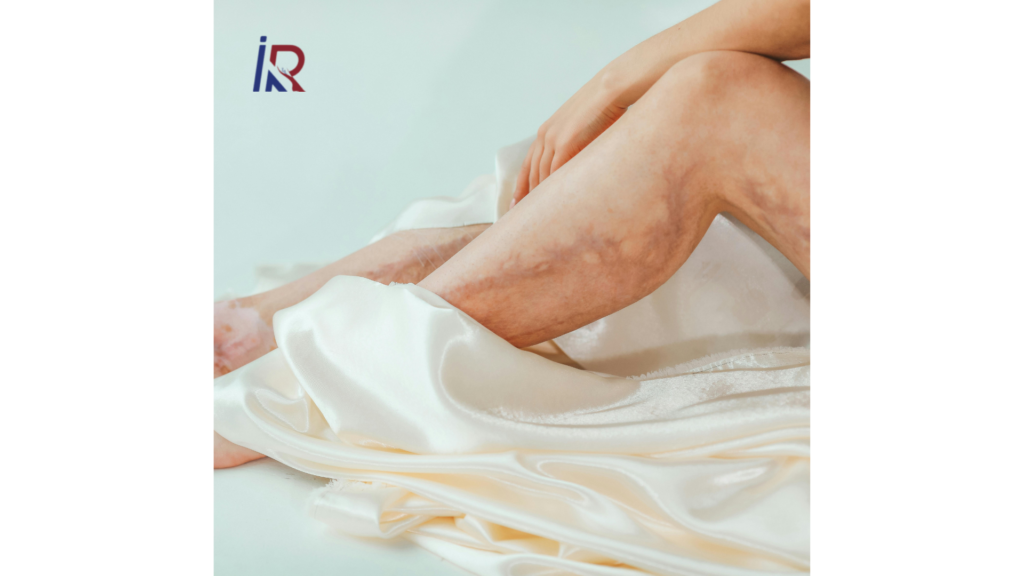
The reality: Varicose veins are a genuine medical condition, not simply a beauty concern. They occur when the one-way valves inside your leg veins weaken, allowing blood to flow backward and pool instead of moving efficiently toward the heart. Over time, this can cause real symptoms and complications: aching, heaviness, swelling, throbbing, skin discolouration, eczema-like changes, and in more advanced cases, painful ulcers near the ankle that can take months to heal.
Treating varicose veins as “just cosmetic” is exactly why so many people put off seeing a doctor for years — sometimes until the condition has progressed further than it needed to.
Myth #2: Only Older People Get Varicose Veins
It’s easy to assume varicose veins are simply a sign of ageing, like grey hair. They’re not.
The reality: Varicose veins can and do develop in people in their twenties and thirties — sometimes even younger. Family history is one of the strongest risk factors: if a parent had varicose veins, your own risk rises significantly, regardless of your age. Pregnancy, jobs that involve long hours of standing or sitting, and obesity can also bring on varicose veins well before “old age.” While risk does increase over time, treating this as strictly an older person’s condition means younger patients often dismiss early symptoms that deserve attention.
Also Read: How to Get Rid of Varicose Veins Without Surgery — A Complete Guide
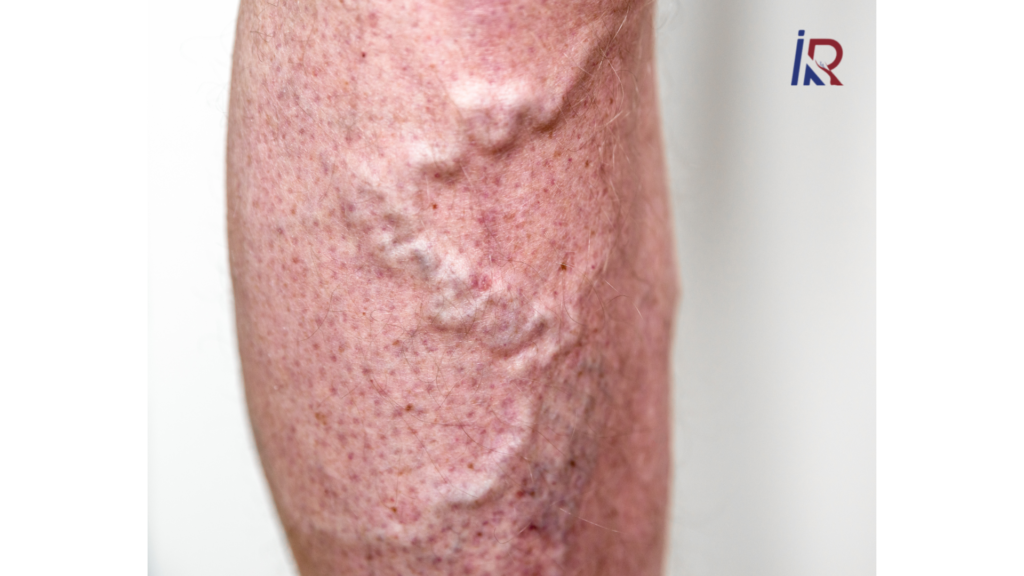
Myth #3: Surgery Is the Only Way to Treat Varicose Veins
This myth alone keeps countless people suffering in silence, afraid of the pain, scarring, and weeks of recovery associated with traditional vein-stripping surgery.
The reality: Surgery is rarely the first choice anymore. Modern interventional radiology offers several minimally invasive alternatives — including endovenous laser ablation (EVLA), radiofrequency ablation (RFA), ultrasound-guided foam sclerotherapy, and medical adhesive (glue) closure — all performed through a tiny needle puncture, under local anaesthesia, with patients walking out the same day. These techniques are now considered equally or more effective than traditional surgery for most patients, with a fraction of the downtime.
Myth #4: Treatment Is Painful, With a Long, Difficult Recovery
Fear of pain is one of the biggest reasons patients delay treatment for years.
The reality: Most modern varicose vein procedures are done under local anaesthesia, and patients typically describe the sensation as mild pressure rather than significant pain — most rate it 1–2 out of 10. There’s no large incision, no general anaesthesia, and no multi-day hospital stay. Patients are encouraged to walk immediately afterward, and most return to desk-based work within 1–2 days, with more physically demanding work resuming within about a week. This is a world apart from the outdated image of vein-stripping surgery that many people still picture when they hear “varicose vein treatment.”
Myth #5: You Should Avoid Exercise If You Have Varicose Veins
This myth is not just false — it’s backwards, and it can actually make symptoms worse.
The reality: Exercise does not cause varicose veins, and it doesn’t make existing ones worse. In fact, walking, cycling, and swimming actively improve circulation by strengthening your calf muscles, which act as a natural “pump” helping blood flow back up toward the heart. What exercise cannot do is reverse veins that have already become varicose — that requires medical treatment — but staying active is one of the best things you can do to ease symptoms, support circulation, and help prevent new varicose veins from forming. Avoiding activity out of fear typically does more harm than good.
Myth #6: Varicose Veins Can Suddenly “Burst” or “Pop” on Their Own
This is a common fear, and it’s largely exaggerated.
The reality: Varicose veins do not spontaneously rupture out of nowhere while you’re simply sitting or standing. What is true is that, because they sit close to the skin and carry blood under higher pressure than healthy veins, a varicose vein can bleed more than expected if it’s cut, scratched, or bumped — even by a relatively minor injury. This is a reason to get significant varicose veins evaluated and treated, not a reason to fear them exploding without cause.
Also Read: Varicose Veins Symptoms: Early Signs, Causes & When to See a Doctor
Myth #7: Once Treated, Varicose Veins Always Come Back
This myth discourages many patients from bothering with treatment at all — “why fix it if it’ll just return?”
The reality: With modern techniques like EVLA, RFA, and appropriately used sclerotherapy, performed by an experienced specialist, recurrence rates are low — typically cited around 5%, meaning roughly 95% of properly treated veins stay closed long-term. New varicose veins can occasionally develop elsewhere in the leg over the years, particularly if underlying risk factors like family history or prolonged standing remain, but that’s a different vein forming a new problem — not the treated vein “coming back.” Combined with simple lifestyle habits, successful treatment is very much the norm.
Quick Facts Recap
| Myth | Reality |
|---|---|
| Just cosmetic | A real medical condition with potential complications |
| Only affects older people | Can develop in your 20s and 30s, especially with family history |
| Surgery is the only option | Minimally invasive EVLA, RFA, and sclerotherapy are now first-line |
| Treatment is very painful | Most patients rate discomfort as mild, 1-2/10 |
| Avoid exercise | Exercise helps circulation and eases symptoms |
| They can burst on their own | Rare without injury; they can bleed more than usual if cut |
| Always come back after treatment | ~95% long-term success rate with modern techniques |
When Should You See a Doctor About Varicose Veins?
Don’t wait for symptoms to become severe. See a specialist if you notice:
- Visible bulging, twisted, or rope-like veins
- Aching, heaviness, or throbbing in the legs, especially after standing
- Swelling around the ankles or feet, particularly by evening
- Itching, burning, or skin discolouration near the veins
- Any sore or wound near the ankle that is slow to heal
- A sudden, hard, painful lump over a vein
A simple, painless duplex ultrasound is usually all that’s needed to map the affected veins and plan the right treatment.
Also Read: Varicose Veins: Causes, Symptoms & The Best Non-Surgical Treatments in 2026
Meet Dr. Alok Kumar Udiya — Interventional Radiologist, Indore
Dr. Alok Kumar Udiya is a Senior Consultant Interventional Radiologist at CARE CHL Hospital, Indore, with dedicated experience treating varicose veins using modern, minimally invasive techniques.
Education and Training
- MBBS — M.G.M. Medical College, Indore
- MD (Radiodiagnosis) — Lady Hardinge Medical College, Delhi University
- PDCC (Neuro-Intervention) — Sanjay Gandhi Post Graduate Institute of Medical Sciences (SGPGIMS), Lucknow, with training in peripheral vascular interventions
- PDCC (Hepatobiliary Interventional Radiology) — Institute of Liver and Biliary Sciences (ILBS), New Delhi
- FINR — Fellowship in Interventional Neuroradiology, University of Zurich, Switzerland
- EBIR — European Board of Interventional Radiology certified
He is a life member of the Indian Radiological and Imaging Association (IRIA) and the Indian Society of Vascular and Interventional Radiology (ISVIR), with 8+ years of dedicated experience across vascular, neuro, and musculoskeletal intervention.
Approach to Varicose Vein Care
Every patient begins with a thorough duplex ultrasound evaluation to precisely map the affected veins. From there, Dr. Udiya designs a personalised treatment plan — often combining techniques like laser ablation for the main diseased vein with sclerotherapy for smaller tributary veins — to achieve the best possible result with minimal downtime.
Learn more on the About Us page or explore treatment options under Others | Varicose Veins.
Why Choose Intervention Radiology Indore at CARE CHL Hospital (LIG Square)?
Intervention Radiology Indore operates from CARE CHL Hospital, a NABH-accredited, 225-bed multi-specialty hospital serving central India since 2001, offering:
- Advanced duplex ultrasound imaging for precise vein mapping
- A dedicated interventional suite for laser ablation, RFA, and sclerotherapy
- A specialist with internationally trained vascular expertise
- Same-day, outpatient procedures with minimal downtime
- Consultations available in Hindi and English
Clinic Locations, Timings & How to Book
CARE CHL Hospital (near LIG Square) 📍 AB Road, near L.I.G. Square, RSS Nagar, Indore, Madhya Pradesh – 452008 🕙 OPD consultation hours: 10:00 AM – 5:00 PM
Evening Clinic — Panama Tower 📍 403, Panama Tower, Geeta Bhawan Square, near Crown Palace, South Tukoganj, Indore, Madhya Pradesh – 452001 🕕 Consultation hours: 6:00 PM – 8:00 PM
📞 Call/WhatsApp: +91 99993 78980 ✉️ Email: dralokudiya@gmail.com 🌐 Website: interventionradiologyindore.com
The LIG Square location on AB Road is a well-known Indore landmark, easily reached from across the city as well as Dewas, Ujjain, and the wider Malwa region.
Frequently Asked Questions
Are varicose veins really just a cosmetic issue?
No. While they can affect appearance, varicose veins are a medical condition caused by faulty vein valves and can lead to aching, swelling, skin changes, and, in advanced cases, ulcers if left untreated.
Do only older people get varicose veins?
No. Varicose veins can develop in your twenties or thirties, particularly with a family history, pregnancy, or a job involving long periods of standing or sitting.
Is varicose vein treatment painful?
Most modern procedures are done under local anaesthesia and cause only mild discomfort, typically rated 1-2 out of 10 by patients, with a same-day return to walking.
Can exercise make varicose veins worse?
No — the opposite is true. Exercise like walking, cycling, and swimming improves circulation and can ease symptoms, though it cannot reverse veins that are already varicose.
Do varicose veins always come back after treatment?
No. With modern techniques like laser ablation and radiofrequency ablation performed by an experienced specialist, long-term success rates are around 95%.
Where can I get varicose veins treated in Indore?
Dr. Alok Kumar Udiya, Interventional Radiologist at CARE CHL Hospital, near LIG Square, Indore, offers advanced, minimally invasive varicose vein treatment. Call or WhatsApp +91 99993 78980 to book a consultation.
Conclusion
Varicose veins are common, well understood, and — despite what you may have heard — very treatable, without major surgery, without significant pain, and without a long recovery. The biggest risk isn’t the condition itself; it’s believing one of these seven myths for long enough to delay getting evaluated.
If you’ve been putting off dealing with your varicose veins because of something you heard from a friend or read online, consider this your sign to get an accurate, professional opinion instead.
Dr. Alok Kumar Udiya at CARE CHL Hospital, LIG Square, offers modern, evidence-based varicose vein care — so you can stop guessing and start feeling better.
Book Your Consultation Today
📍 CARE CHL Hospital, AB Road, near LIG Square, RSS Nagar, Indore, MP 452008 (OPD: 10 AM-5 PM) 📍 Evening Clinic, 403 Panama Tower, Geeta Bhawan Square, Indore, MP 452001 (6 PM-8 PM) 📞 +91 99993 78980 🌐 interventionradiologyindore.com 👨⚕️ Dr. Alok Kumar Udiya — Interventional Radiologist, Indore
Ready to get the facts, not the myths? Book your duplex ultrasound evaluation with Intervention Radiology Indore today.
Disclaimer: This blog is intended for educational purposes only and does not constitute medical advice. Please consult a qualified medical professional for diagnosis and treatment of any health condition.