
Many people ignore leg discomfort thinking it is just tiredness or normal pain after a long day. But sometimes, these small signs can indicate a bigger problem called varicose veins.
Understanding varicose veins symptoms early can help you avoid serious complications and get timely treatment.
Varicose veins are very common in India, especially among people who stand for long hours, sit for long periods, or have a sedentary lifestyle. Both men and women can be affected, but women are more prone due to hormonal changes.
In this detailed guide, we will explain everything you need to know about varicose veins symptoms, causes, risks, and the best treatment options available today.
Table of Contents
What Are Varicose Veins?
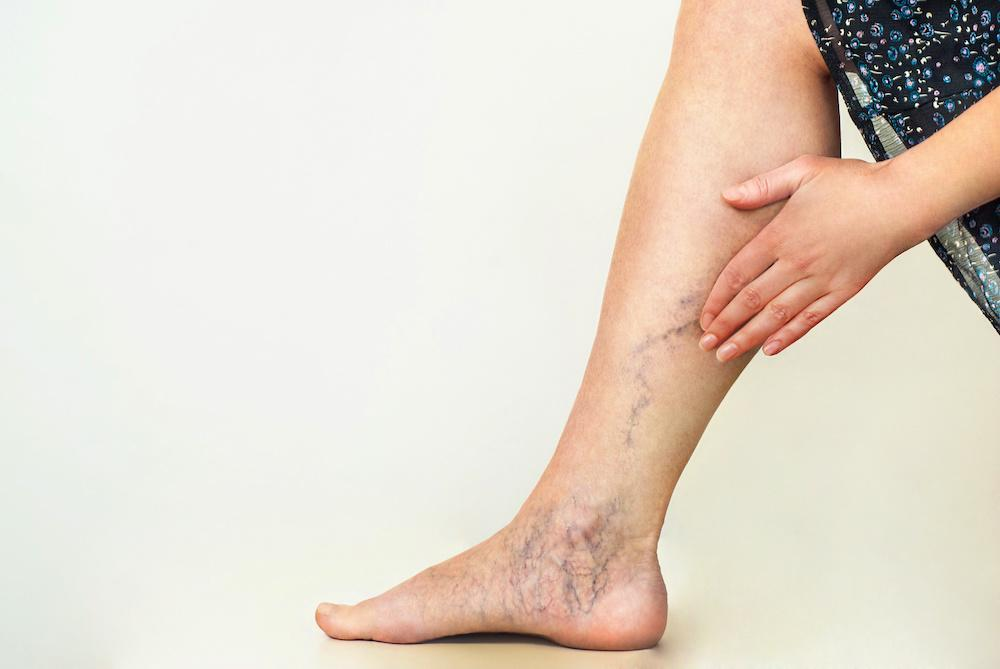
Varicose veins are enlarged, twisted veins that usually appear in the legs and feet. These veins become visible because the valves inside them stop working properly.
Normally, veins carry blood back to the heart. But when the valves weaken, blood starts pooling in the veins, causing them to swell and become visible.
This condition is not just cosmetic—it can lead to pain, swelling, and serious complications if ignored.
Also Read: Varicose Veins Causes: Complete Guide to Why They Happen & How to Prevent Them
Why Understanding Varicose Veins Symptoms Is Important
Most people delay treatment because they don’t recognize early varicose veins symptoms.
Early detection helps:
- Prevent complications like ulcers and blood clots
- Avoid surgery
- Get faster recovery with minimally invasive treatments
Ignoring symptoms can worsen the condition over time.
Common Varicose Veins Symptoms
Here are the most common varicose veins symptoms you should watch for:
1. Visible Twisted Veins
- Blue, purple, or dark veins
- Bulging appearance
- Mostly seen on legs
This is the most noticeable symptom.
2. Leg Pain or Aching
- Dull pain after standing
- Heaviness in legs
- Pain increases at the end of the day
3. Swelling in Legs and Ankles
- Especially after long hours of standing
- Ankles may look puffy
4. Burning or Throbbing Sensation
- Warm feeling in legs
- Pulsating pain
5. Itching Around Veins
- Skin irritation near affected veins
- Often ignored but important sign
6. Muscle Cramps
- Especially at night
- Sudden leg tightening
7. Skin Discoloration
- Darkening of skin near ankles
- Brown or purple patches
8. Restlessness in Legs
- Urge to move legs
- Discomfort while sitting
Also Read: Is Goiter Dangerous? When Should You Start Treatment?
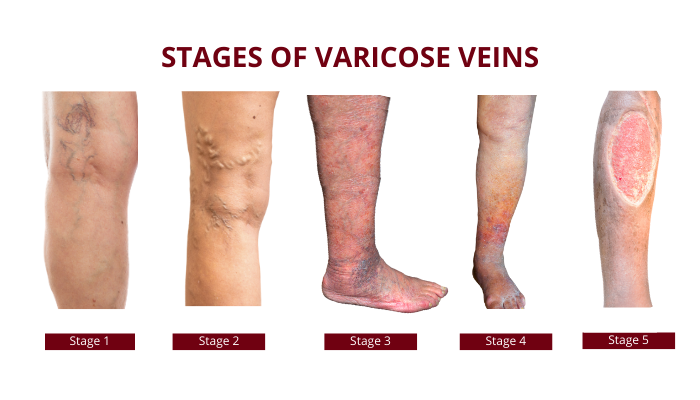
Early vs Advanced Varicose Veins Symptoms
Understanding the stage of symptoms is important.
Early Symptoms:
- Mild pain
- Slight swelling
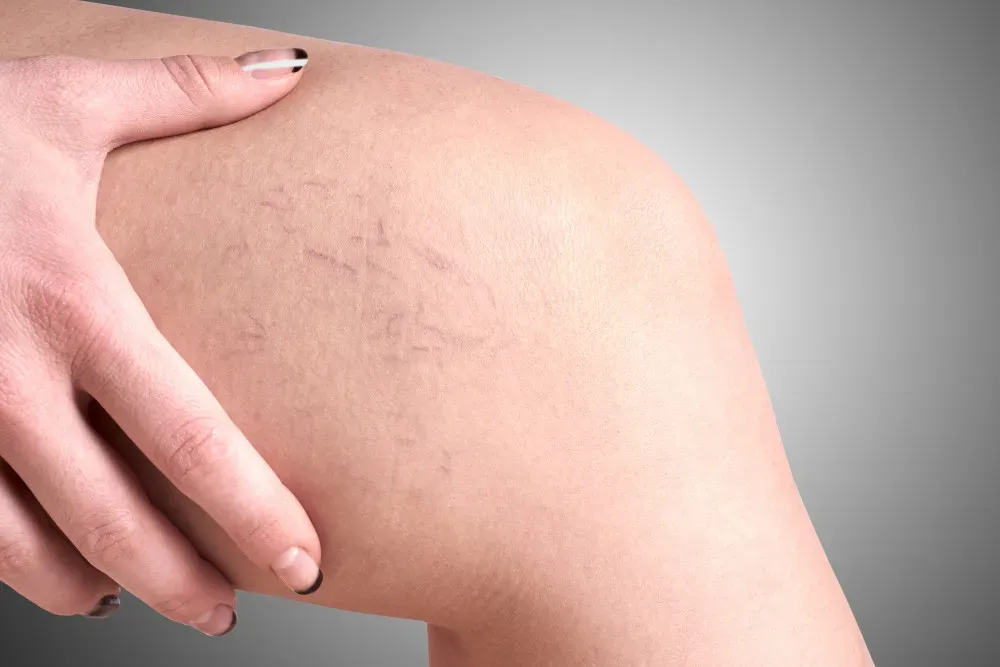
- Visible veins
Advanced Symptoms:
- Severe pain
- Skin ulcers
- Bleeding veins
- Thickened skin
Early treatment is always easier and safer.
Causes Behind Varicose Veins Symptoms
Varicose veins symptoms occur due to poor blood circulation.
Main Causes:
✔ Weak Vein Valves
Valves fail → blood flows backward → veins swell
✔ Long Standing Jobs
Teachers, shopkeepers, factory workers
✔ Sitting for Long Hours
Office workers, drivers
✔ Obesity
Extra weight increases pressure on veins
✔ Pregnancy
Hormonal changes + pressure on veins
✔ Genetics
Family history increases risk
Also Read: Is Thyroid Embolization Painful?
Risk Factors You Should Know
You are more likely to develop varicose veins symptoms if:
- Age above 30
- Female gender
- Sedentary lifestyle
- Lack of exercise
- Smoking
- Hormonal imbalance
Why You Should Not Ignore Varicose Veins Symptoms
Ignoring symptoms can lead to serious complications:
1. Venous Ulcers
Painful wounds near ankles
2. Blood Clots
Can be life-threatening
3. Bleeding
Veins may rupture
4. Skin Damage
Permanent discoloration
When Should You See a Doctor?
You should consult a specialist if:
- Pain is increasing
- Swelling does not go away
- Skin color changes
- You notice ulcers
Early consultation can save you from surgery.
Diagnosis of Varicose Veins
Diagnosis is simple and painless.
✔ Physical Examination
Doctor checks visible veins
✔ Doppler Ultrasound
- Checks blood flow
- Identifies valve damage
Best Treatment Options for Varicose Veins
Modern medicine offers many effective treatments.
1. Lifestyle Changes
- Exercise regularly
- Avoid long standing
- Elevate legs
2. Compression Stockings
- Improve blood circulation
- Reduce swelling
3. Laser Treatment
- Minimally invasive
- No major cuts
- Quick recovery
4. Radiofrequency Ablation
- Uses heat to close veins
5. Sclerotherapy
- Injection-based treatment
6. Surgery (Rare Cases)
- Only in severe conditions
Varicose Veins Treatment Without Surgery
Today, most cases are treated without surgery.
Benefits:
- No stitches
- Same-day discharge
- Less pain
- Faster recovery
Expert Care in Indore
If you are experiencing varicose veins symptoms, it is important to consult an expert.
You can consult Dr. Alok Kumar Udiya, Interventional Radiologist, Care CHL Hospital Indore, who specializes in minimally invasive treatments for vascular conditions.
He provides advanced, non-surgical solutions that ensure faster recovery and better results.
Prevention Tips
Preventing varicose veins is possible with simple lifestyle changes:
- Exercise daily
- Avoid sitting or standing for long hours
- Maintain healthy weight
- Elevate legs while resting
- Wear comfortable footwear
FAQs
1. What are the first varicose veins symptoms?
Visible veins, mild pain, and leg heaviness.
2. Are varicose veins dangerous?
Yes, if untreated they can lead to ulcers and blood clots.
3. Can varicose veins go away on their own?
No, they usually require treatment.
4. Is walking good for varicose veins?
Yes, it improves blood circulation.
5. Is laser treatment painful?
No, it is minimally invasive and almost painless.
6. How long does recovery take?
Most patients recover within a few days.
7. Can young people get varicose veins?
Yes, due to lifestyle and genetics.
8. Is it a cosmetic problem only?
No, it is a medical condition.
Conclusion
Understanding varicose veins symptoms is the first step toward better health.
Many people ignore early signs, which later turn into serious complications. But the good news is that modern treatments are safe, effective, and mostly non-surgical.
If you notice any symptoms, do not delay. Early diagnosis and treatment can help you avoid pain, complications, and surgery.
Consult Dr. Alok Kumar Udiya, Interventional Radiologist, Care CHL Hospital Indore for expert care and advanced treatment options.