
Many of us have experienced a heavy or aching leg at some point. Most of the time, we blame it on tiredness, long travel, standing all day, or simple muscle pain. We rest for a while, take a pain killer, and forget about it. But sometimes, that simple-looking leg pain or swelling is a sign of a serious problem hiding inside the deep veins of the leg. This problem is called Deep Vein Thrombosis, or DVT for short.
DVT is a condition in which a blood clot forms in a deep vein, usually in the leg. If this clot stays in the leg, it can cause swelling, pain, and skin changes. But if a part of this clot breaks away and travels to the lungs, it can cause a life-threatening condition called pulmonary embolism. This is why DVT is sometimes called a silent killer. Many people do not realise the danger until it is too late.
The good news is that DVT can be detected early, treated effectively, and even prevented with the right knowledge and care. In modern medicine, especially with the help of Interventional Radiology, we now have advanced tools to dissolve clots, remove them, and protect the lungs. This detailed guide is written in simple English to help you understand what Deep Vein Thrombosis is, what its early warning signs are, why you must not ignore them, how it is treated, and how Interventional Radiology Indore is helping save lives. We will also share how Dr. Alok Kumar Udiya at Care CHL Hospital Indore is offering modern, expert care for DVT.
What Is Deep Vein Thrombosis (DVT)?
To understand DVT, you need to know a little about how blood flows in the body. Veins are blood vessels that carry blood back to the heart. In the legs, there are two main types of veins. The veins close to the skin are called superficial veins. The veins deep inside the leg muscles are called deep veins. The deep veins carry most of the blood from the legs back to the heart.
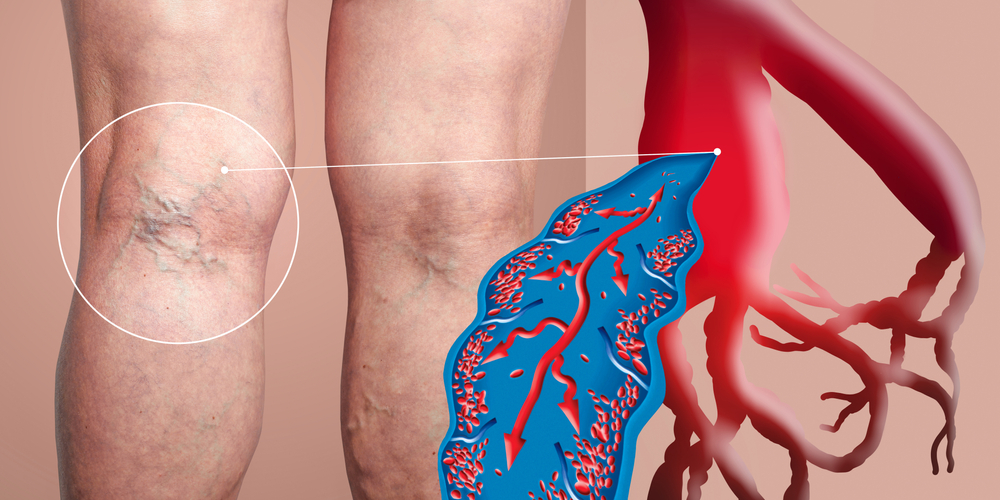
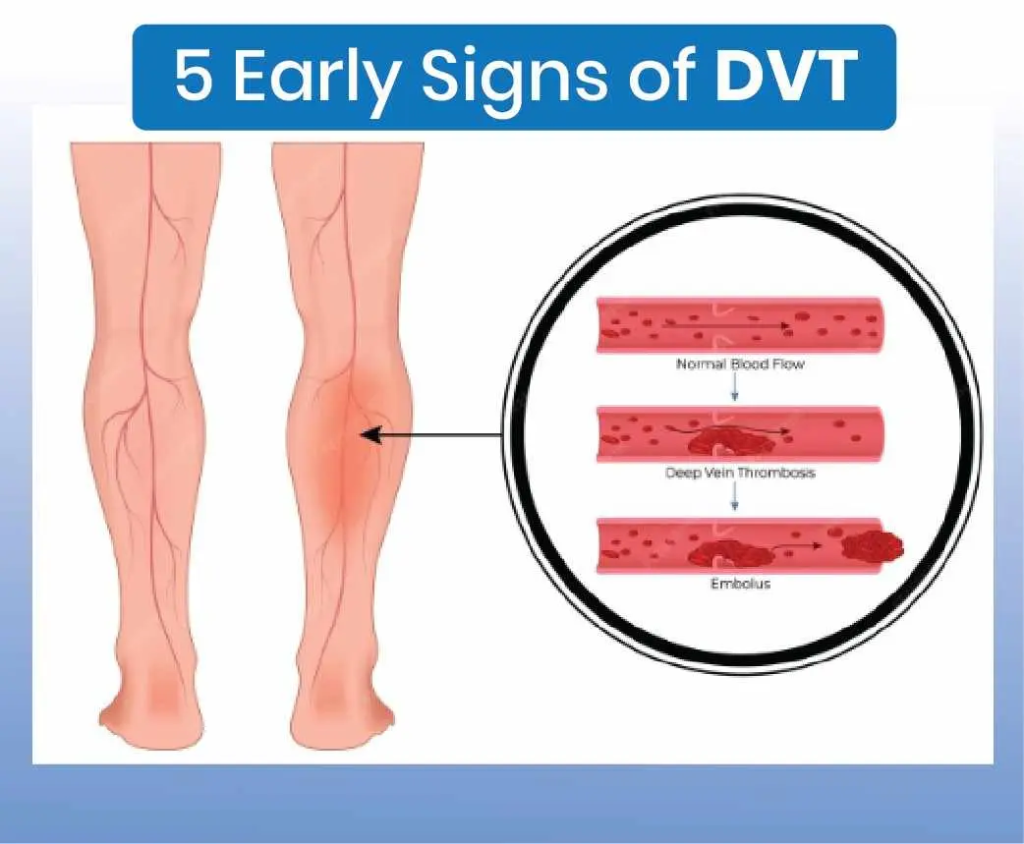
Sometimes, the blood inside one of these deep veins can become thick and form a solid lump. This lump is called a clot, or in medical language, a thrombus. When this clot blocks the flow of blood inside a deep vein, the condition is known as Deep Vein Thrombosis, or DVT.
DVT most commonly happens in the deep veins of the legs, especially in the calf or thigh. But it can also occur in the deep veins of the arms, pelvis, or other parts of the body. The clot blocks blood flow, causes pressure to build up in the leg, and damages the inner lining of the vein. If a piece of the clot breaks off and travels to the lungs, it becomes a medical emergency.
Also Read: Understanding Deep Vein Thrombosis(DVT): Causes, Symptoms, and Treatment Options
Why DVT Is Considered a Silent Killer
DVT is dangerous because it often shows very mild or no symptoms in the beginning. Many people think their leg pain or swelling is normal. Some have no symptoms at all and only learn about the clot when it has already caused complications.
The biggest worry with DVT is pulmonary embolism (PE). This happens when a piece of the clot in the leg vein breaks free, travels through the bloodstream, and gets stuck in an artery in the lungs. PE can cause sudden shortness of breath, chest pain, fainting, or even sudden death. Every year, many lives are lost across the world because of DVT-related pulmonary embolism that was not caught in time.
Another long-term problem of DVT is called post-thrombotic syndrome. Even after the clot is treated, the damaged vein may cause chronic leg pain, swelling, skin discolouration, and even ulcers. This is why early detection and proper treatment of Deep Vein Thrombosis are so important.
Also Read: Varicose Veins Causes: Complete Guide to Why They Happen & How to Prevent Them
What Causes DVT?
DVT is mainly caused by three factors known as Virchow’s triad. In simple words, these are slow blood flow, damage to the vein wall, and a tendency of blood to clot more than normal. Many real-life situations bring these factors together and increase the risk of DVT.
- Long Periods of Immobility: Sitting for many hours during long flights, road journeys, or after surgery slows down blood flow in the legs.
- Surgery and Hospital Stay: Major surgeries, especially of the hip, knee, abdomen, or pelvis, raise the risk of DVT.
- Injury or Trauma: A fracture, a deep cut, or a serious injury can damage the vein wall.
- Pregnancy and Postpartum Period: Hormonal changes and pressure on the pelvic veins increase clot risk during and after pregnancy.
- Oral Contraceptive Pills and Hormone Therapy: Some hormonal medicines can make the blood thicker.
- Cancer and Chemotherapy: Cancer cells and some cancer treatments increase the chance of clots.
- Obesity: Extra weight puts more pressure on the leg veins.
- Smoking: Tobacco damages the inner lining of blood vessels and makes blood sticky.
- Old Age: DVT is more common in people over 60 years.
- Family or Genetic Factors: Some people have inherited disorders that make their blood clot too easily.
- Heart and Vein Diseases: Heart failure, varicose veins, and chronic venous disease raise the risk.
- Severe Infections: Serious infections like sepsis can also trigger clot formation.
It is common for several risk factors to be present together. For example, an elderly person undergoing knee surgery or a long-haul air traveller who smokes is at greater risk than someone with no risk factors at all.
Also Read: What Is an Interventional Radiology Specialist?
Early Signs of DVT You Should Never Ignore
This section is the heart of the blog. Knowing the early signs of Deep Vein Thrombosis can save lives, including your own and that of your loved ones. The symptoms can be mild and easy to miss, but they are clues your body is giving you. Pay close attention if you notice any of the following:
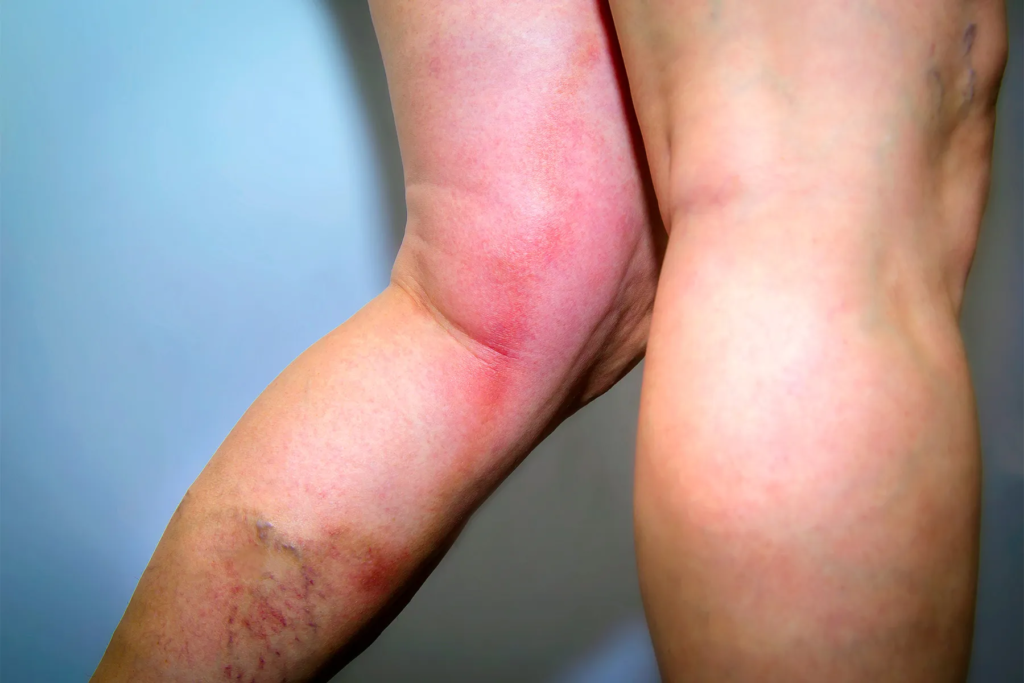
- Swelling in One Leg: DVT usually affects only one leg. Sudden or gradual swelling, especially in the calf or thigh, that is more on one side than the other is a strong warning sign.
- Pain or Tenderness in the Leg: Pain that starts in the calf and feels like a deep ache, cramp, or soreness, especially when standing or walking, can be a sign of DVT. Some people only feel discomfort while pressing the area.
- Warmth in the Affected Area: The skin over the affected vein may feel warmer than the rest of the leg.
- Skin Colour Changes: The skin over the swollen area may look red, dusky, bluish, or unusually pale.
- Heaviness in the Leg: Many patients describe a strong feeling of heaviness, fullness, or tightness in the leg.
- Visible Surface Veins: Surface veins may become more prominent because deep veins are blocked.
- Tight, Shiny Skin: In some cases, the skin of the affected leg appears tight, shiny, or stretched.
- Pain When Bending the Foot: Discomfort in the calf when you flex your foot upwards is a known clinical clue.
Even more important are the warning signs that the clot may have moved to the lungs. These need urgent medical attention:
- Sudden shortness of breath.
- Sharp chest pain that gets worse on deep breathing.
- Fast or irregular heartbeat.
- Coughing, sometimes with blood-streaked sputum.
- Sudden dizziness or fainting.
- A feeling of fear or panic without clear reason.
If any of these symptoms appear, the patient should be taken to a hospital at once. Time is precious in such situations.
Who Is at Higher Risk of DVT?
Although anyone can develop DVT, some groups of people need to be extra careful:
- Patients who have just had major surgery, especially orthopedic, abdominal, or pelvic surgery.
- People recovering from a serious illness or hospital stay.
- Patients with cancer or those undergoing chemotherapy.
- Pregnant women and women in the first six weeks after delivery.
- Women using birth control pills or hormone replacement therapy.
- People who have had a previous DVT or pulmonary embolism.
- Long-distance travellers, especially flights more than 4 to 6 hours.
- Smokers, especially older smokers.
- People who are overweight or obese.
- Those with chronic conditions like heart disease, kidney disease, and inflammatory disorders.
- People with a family history of clotting disorders.
If you fall into more than one of these groups, it is wise to talk to your doctor about prevention and what symptoms to watch for.
How DVT Is Diagnosed
Doctors use a combination of clinical examination, blood tests, and imaging to confirm DVT. The most important tools are:
- Clinical Examination: The doctor checks for swelling, tenderness, warmth, and skin changes. A scoring system known as the Wells score may be used to estimate the chance of DVT.
- D-dimer Blood Test: This test measures a substance produced when blood clots break down. A high level can suggest the presence of a clot, although it is not always specific.
- Doppler Ultrasound: This is the most commonly used test for DVT. A small probe is placed on the leg and sound waves are used to study the flow of blood. It is painless, has no radiation, and can show the exact location of the clot.
- CT Venography or MR Venography: Special imaging tests used in some cases, especially when the clot is in the pelvis or upper body, or when ultrasound is not enough.
- CT Pulmonary Angiography: Used when there is suspicion that the clot has moved to the lungs.
At centres like Care CHL Hospital Indore, all these tests are available under one roof. This helps in fast and accurate diagnosis, which is the first step to safe treatment.
Treatment of DVT: From Medicines to Modern Procedures
The aim of DVT treatment is simple to understand. Doctors want to stop the clot from growing, prevent it from travelling to the lungs, reduce the symptoms in the leg, and lower the chance of long-term complications. The treatment may include medicines, minimally invasive procedures, lifestyle changes, or a combination of these.
1. Blood Thinning Medicines (Anticoagulants)
Anticoagulants are the main medicines used to treat DVT. They do not directly dissolve the clot, but they stop the clot from growing further and prevent new clots from forming. The body then slowly breaks down the existing clot on its own.
Common anticoagulants include heparin injections, low molecular weight heparin, warfarin tablets, and newer oral medicines such as rivaroxaban, apixaban, dabigatran, and edoxaban. The doctor decides the type and length of treatment based on the cause of the clot and individual risk factors. Most patients need to take anticoagulants for at least 3 to 6 months. Some need them for longer or even life-long therapy.
2. Catheter-Directed Thrombolysis (CDT)
In selected patients with large clots, severe symptoms, or risk of long-term damage, simple blood thinners may not be enough. In such cases, an interventional radiologist can perform a procedure called Catheter-Directed Thrombolysis. A thin tube is guided into the affected vein under image guidance. A clot-dissolving medicine is then released directly inside the clot through this tube. This melts the clot much faster than oral medicines can.
CDT can greatly reduce pain, swelling, and the risk of long-term post-thrombotic syndrome. It is one of the powerful tools of modern Interventional Radiology.
3. Mechanical Thrombectomy
Sometimes the clot is very large or threatens the life of the limb. In such situations, special devices are used to physically suck out or break up the clot inside the vein. This is called mechanical thrombectomy. It is often combined with thrombolysis for a faster and more complete result.
These procedures are done through tiny punctures in the skin, with no big cuts and no long hospital stay. They have given new hope to patients who earlier had to live with severe leg swelling and pain.
4. Inferior Vena Cava (IVC) Filter
Some patients cannot take blood thinners safely, often because of recent bleeding, surgery, or other reasons. For such patients, an IVC filter may be placed. This is a small umbrella-like device put into the large vein of the abdomen. It catches any clot that breaks loose from the legs before it can reach the lungs. Modern IVC filters can also be removed once the danger has passed.
5. Compression Stockings and Lifestyle Care
Wearing graduated compression stockings can reduce leg swelling, ease symptoms, and lower the chance of post-thrombotic syndrome. Walking, leg exercises, weight control, hydration, and a healthy diet also play an important supporting role. The doctor will guide each patient on how long to wear stockings and how to be active safely.
Recovery After DVT
Recovery from DVT depends on the size and location of the clot, the chosen treatment, and how early the diagnosis was made. With proper care, many patients see a clear improvement in symptoms within a few weeks. Some general points to keep in mind during recovery include:
- Take all medicines exactly as prescribed and never stop them on your own.
- Attend all follow-up visits and blood tests.
- Wear compression stockings if advised.
- Walk daily as much as your doctor allows.
- Drink enough water through the day.
- Eat a balanced diet with vegetables, fruits, and lean protein.
- Avoid sitting or standing in one position for very long.
- Do not smoke and limit alcohol.
- Inform every doctor you visit that you have had DVT, especially before any surgery, dental work, or new medicines.
Recovery is not just physical. Many patients feel anxious or scared after a DVT diagnosis. Talking to family, friends, and the treating doctor helps reduce stress. Some patients may benefit from gentle counselling to handle this fear.
How to Prevent DVT
Prevention of DVT is just as important as its treatment. Many cases can be avoided with simple steps in daily life and during high-risk situations. Some important prevention tips are:
- Stay Active: Walk daily, do simple stretching, and avoid long periods of inactivity.
- Move During Long Travel: On flights, trains, or long car rides, stand up, walk, and move your legs every 1 to 2 hours. Wiggle your toes and rotate your ankles even while sitting.
- Hydrate Well: Drink plenty of water, especially during travel, hot weather, or illness.
- Use Compression Stockings If Advised: Especially during long travel, after surgery, or in pregnancy when the doctor recommends them.
- Maintain a Healthy Weight: Even small weight loss can help reduce risk.
- Quit Smoking: Smoking is a strong risk factor for DVT and many other diseases.
- Manage Long-Term Diseases: Keep blood pressure, sugar, and heart disease well controlled.
- Discuss Risks Before Surgery: Ask your surgeon about steps to prevent DVT around the time of surgery, including special socks, blood thinners, and early walking after the procedure.
- Be Cautious During Pregnancy: Follow your obstetrician’s advice on movement, hydration, and any blood thinners if needed.
- Be Aware: If you have a family history of clots or have had DVT before, talk to your doctor about long-term prevention.
These simple habits can make a real difference in protecting your veins and your life.
Why Interventional Radiology Is a Game Changer in DVT Care
In the past, DVT was treated mainly with medicines, and patients with severe clots often suffered long-term swelling, pain, and skin changes. Today, with the rise of Interventional Radiology, this picture has changed in a big way. Interventional radiologists use imaging machines such as ultrasound, CT, and X-ray to guide tiny tubes and devices inside the body and treat the clot directly.
This means that, in addition to traditional blood thinners, doctors can now offer:
- Catheter-directed thrombolysis to dissolve clots quickly.
- Mechanical thrombectomy to physically remove clots.
- IVC filter placement to protect the lungs in selected patients.
- Treatment of underlying problems such as May-Thurner syndrome, where a vein is being squeezed by an artery.
- Stent placement to keep important veins open after clot removal.
All these treatments are minimally invasive. They use tiny punctures, not big cuts. Patients often go home in a day or two, with much less pain and faster recovery. This is why Interventional Radiology has become a key partner in modern DVT care.
Interventional Radiology Indore: Advanced DVT Care Close to Home
Earlier, patients with severe DVT in central India often had to travel to metro cities for advanced procedures like thrombolysis or thrombectomy. This was difficult because of cost, distance, and the urgent nature of the disease. Today, the picture has changed completely. Interventional Radiology Indore has grown into a strong specialty, offering world-class minimally invasive treatments under one roof.
Modern centres in Indore have advanced angiography suites, ultrasound machines, and the latest devices for clot removal. Trained interventional radiologists, vascular specialists, anesthesia experts, and critical care teams work together to give the best possible care, often within the precious early hours when DVT treatment is most effective.
This local availability means faster help during emergencies, better follow-up, lower cost, and less burden on families. People from Indore, Bhopal, Ujjain, Dewas, Khandwa, Ratlam, and many smaller towns now have access to top-class DVT care without leaving central India.
About Dr. Alok Kumar Udiya
Dr. Alok Kumar Udiya is one of the leading interventional radiologists in central India, recognized for his deep experience in advanced minimally invasive treatments. He has dedicated his career to helping patients with serious vascular problems such as Deep Vein Thrombosis, varicose veins, brain aneurysms, uterine fibroids, prostate enlargement, liver tumours, and many others.
With years of training, expert knowledge, and a strong record of successful procedures, Dr. Alok Kumar Udiya has helped many DVT patients recover quickly and prevent serious complications. His approach is built on careful diagnosis, clear communication with the patient, and the use of the latest technology like Doppler ultrasound, catheter-directed thrombolysis, mechanical thrombectomy, and IVC filters.
Patients and families value the way he explains the disease in simple words, listens to all questions, and takes time to make them feel comfortable. For him, treating DVT is not only about clearing the clot. It is also about giving the patient long-term safety, comfort, and confidence.
Care CHL Hospital Indore: A Trusted Centre for DVT Care
Care CHL Hospital Indore is one of the most respected multi-specialty hospitals in central India. The hospital is well known for its modern technology, advanced operation theatres, well-equipped imaging department, and a strong team of specialists. It is a place where modern medicine meets compassionate care.
The Interventional Radiology unit at Care CHL Hospital Indore is one of the few centres in the region offering a complete range of treatments for DVT. From basic Doppler scans and blood thinner therapy to advanced catheter-directed thrombolysis, mechanical thrombectomy, and IVC filter placement, every step is handled with skill and care. The hospital also has a strong critical care, cardiology, pulmonology, and emergency team to manage complex cases including pulmonary embolism.
Patient comfort is given top importance. Clean rooms, friendly staff, and clear communication make the journey of treatment less stressful. This is why so many patients with Deep Vein Thrombosis from Indore and surrounding cities trust Care CHL Hospital Indore for their care.
Frequently Asked Questions (FAQs)
Q1. Is DVT life-threatening?
Yes, DVT can be life-threatening if a clot breaks free and travels to the lungs, causing pulmonary embolism. With early diagnosis and proper treatment, the risk is greatly reduced.
Q2. Can DVT happen without any symptoms?
Yes. Some people have very mild symptoms or no symptoms at all. This is why high-risk patients should be especially careful and get a Doppler scan if there is any suspicion.
Q3. How long do I need to take blood thinners?
Most patients need blood thinners for at least 3 to 6 months. Some, especially those with repeated clots or strong risk factors, may need them for longer or for life. The doctor decides this based on each case.
Q4. Are blood thinners safe?
When used correctly under medical supervision, blood thinners are safe and life-saving. The main risk is bleeding, so regular follow-up and tests are important.
Q5. Can I travel after a DVT diagnosis?
Yes, but only after your doctor allows it. You may need to take certain precautions like compression stockings, hydration, and movement during travel. For long flights, special advice may be given.
Q6. Can DVT come back?
Yes, especially if the underlying risk factors are not controlled. Following your doctor’s advice, taking medicines, and keeping a healthy lifestyle reduce the chance of recurrence.
Q7. Is exercise safe after DVT?
Yes. In fact, gentle exercise, especially walking, is encouraged once the doctor allows. It helps blood flow and prevents new clots. High-impact or risky activities should be discussed with the doctor.
Q8. Can pregnant women get DVT?
Yes. Pregnancy and the period after delivery are high-risk times. Any unusual leg swelling, pain, or breathlessness during these months must be reported to the doctor at once.
Q9. How is DVT in the arm different?
DVT in the arm is less common than in the leg. It can happen due to repeated overhead activity, central venous catheters, or certain anatomical issues. Symptoms include arm swelling, pain, and colour change. Treatment is similar in principle, but each case needs careful evaluation.
Q10. Where can I get advanced DVT treatment in central India?
Advanced DVT treatment, including catheter-directed thrombolysis and mechanical thrombectomy, is available at modern centres in Indore. Patients can consult Dr. Alok Kumar Udiya at Care CHL Hospital Indore for expert evaluation and care.
Conclusion: Listen to Your Legs, Save Your Life
Deep Vein Thrombosis is a serious condition, but it is also one that can be managed very well when caught early. The first and most powerful step is awareness. A heavy, swollen, painful, or warm leg is not always just tiredness. It can be your body’s way of warning you about a clot deep inside. Sudden breathlessness, chest pain, or fainting must never be ignored. Listening to these early signs and reaching a hospital in time can save your life.
Today, modern medicine offers a strong combination of options for DVT. Blood thinners protect against clot growth and recurrence. Catheter-directed thrombolysis and mechanical thrombectomy can quickly clear large clots and reduce long-term damage. IVC filters offer protection when blood thinners cannot be used. Compression stockings and lifestyle changes give extra support. All of these come together to provide complete, modern care for Deep Vein Thrombosis.
In central India, the rise of Interventional Radiology Indore has brought this advanced care closer to home. Patients no longer need to travel to far-off cities for life-saving DVT procedures. With dedicated specialists like Dr. Alok Kumar Udiya and trusted institutions like Care CHL Hospital Indore, expert evaluation, fast diagnosis, and modern treatment are now within easy reach.
If you or someone you love is showing early signs of DVT, do not wait. Do not blame the symptoms on age, tiredness, or simple muscle pain. Speak to a doctor, get a Doppler scan, and take action. Your veins do important work for you every day, quietly carrying blood back to your heart. They deserve your attention. By understanding Deep Vein Thrombosis and its early signs, you give yourself the best gift of all: a longer, healthier, and safer life.
Disclaimer: This blog is for general information and awareness only. It is not a substitute for professional medical advice, diagnosis, or treatment. Always consult a qualified doctor for any health-related concerns.