
A Quick Note Before We Begin
Most causes of hearing your heartbeat in your ear are not emergencies, and this guide will help you understand them. However, if it comes on suddenly along with a severe headache, vision changes, or ringing that won’t stop, get evaluated promptly. And if you ever experience a sudden, “worst headache of your life,” treat that as a medical emergency and seek immediate care.
That Whooshing, Thumping Sound That Won’t Go Away
You’re lying in bed, the room is quiet, and suddenly you notice it: a rhythmic whooshing or thumping sound in your ear, perfectly timed with your pulse. You place two fingers on your wrist to check — and sure enough, the sound speeds up and slows down exactly with your heartbeat.
It’s unsettling. Is something wrong with your brain? Your heart? Your blood vessels? Why has no one else ever mentioned this happening to them?
Here’s the reassuring truth: hearing your heartbeat in your ear is a well-recognised medical phenomenon called pulsatile tinnitus, and it’s more common than most people realise. It also has real, identifiable causes in the large majority of cases — which is actually good news, because identifiable causes can usually be evaluated clearly and, in many cases, treated effectively.
This guide will walk you through what pulsatile tinnitus actually is, why it happens, which causes are harmless and which need attention, how doctors investigate it, and the modern, minimally invasive treatments available right here in Indore. You’ll also meet Dr. Alok Kumar Udiya, an Interventional Radiologist at CARE CHL Hospital, near LIG Square, who treats several of the underlying vascular causes of this exact symptom.
What Is Pulsatile Tinnitus, Exactly?
Tinnitus is the general medical term for perceiving sound in the ear or head when no external sound source is present. Most people are familiar with the common type — a constant high-pitched ring, buzz, or hiss that has nothing to do with your heartbeat.
Pulsatile tinnitus is different and more specific: it is a rhythmic sound — often described as a whooshing, swishing, or thumping — that beats in sync with your own heartbeat or pulse. This distinction matters enormously to doctors, because while ordinary ringing tinnitus is usually related to the inner ear or hearing nerve, pulsatile tinnitus is usually related to blood flow somewhere near the ear — which is exactly the kind of problem an Interventional Radiologist is trained to investigate and, often, treat.
Pulsatile tinnitus is thought to make up only around 4% of all tinnitus cases, but it deserves particular attention because a vascular cause can be identified in up to 70% of cases — meaning there is very often a specific, findable, and sometimes treatable reason behind the sound.
Also Read: Leg Pain or Something Serious? How to Spot DVT Before It Becomes Life-Threatening
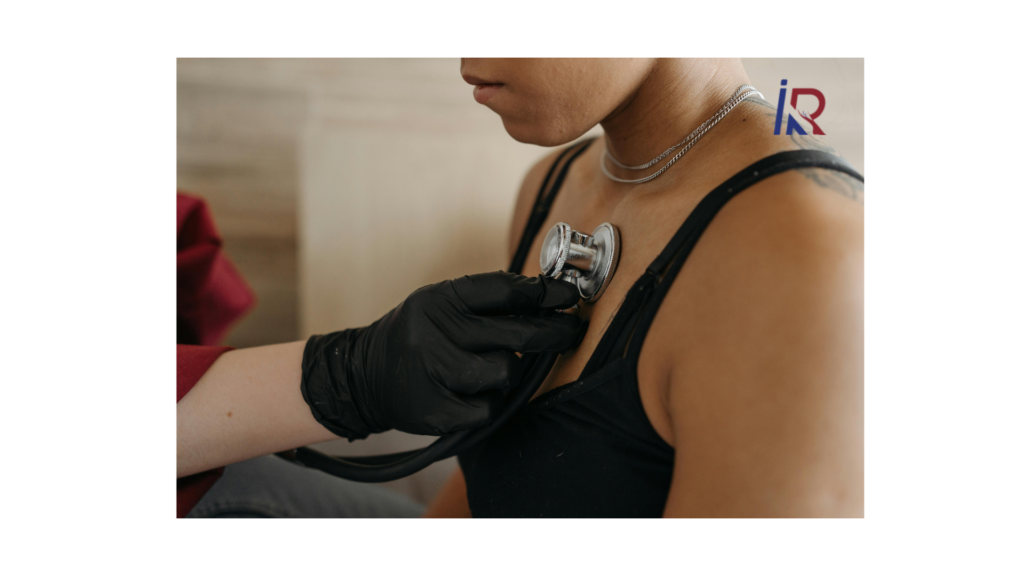
What Causes That Whooshing Sound? The Main Categories
Doctors generally group the causes of pulsatile tinnitus into a few broad categories, based on which blood vessels are involved.
1. Venous Causes (The Most Common Group)
Venous sinus stenosis — narrowing of one of the large veins that drain blood from the brain, most often the transverse or sigmoid sinus — is now recognised as the single most common identifiable cause of pulsatile tinnitus, accounting for roughly 34% of cases. The narrowing creates turbulent, noisy blood flow that the ear picks up.
Venous hum is a benign, very common cause related to normal blood flow through the jugular vein in the neck. It’s often more noticeable lying down and classically reduces or disappears when gentle pressure is applied to the neck vein or the head is turned — a simple bedside clue doctors use during examination.
Other venous causes include a jugular bulb abnormality (an unusually high-riding or enlarged jugular bulb, sometimes with a diverticulum, or outpouching) and a sigmoid sinus wall defect or dehiscence, where a thinned or absent segment of bone lets venous sound transmit more directly to the ear.
2. Arterial Causes
Turbulent flow through a narrowed or abnormal artery can also produce a pulsing sound. Causes in this group include atherosclerotic carotid artery narrowing, a carotid artery aneurysm, dissection (a tear in the artery wall, often after injury or spontaneously), and fibromuscular dysplasia, a condition that causes irregular narrowing of medium-sized arteries.
3. Abnormal Connections Between Arteries and Veins
This is a smaller but medically important group, because these causes carry a higher chance of needing active treatment:
- Dural arteriovenous fistula (dAVF) — an abnormal direct connection between an artery and a vein in the lining of the brain. This is one of the more serious causes of pulsatile tinnitus and, left untreated, can occasionally lead to serious complications, which is why it’s taken seriously whenever suspected.
- Arteriovenous malformation (AVM) — a tangle of abnormal blood vessels, which can occur near the brain or skull base.
- Glomus tumor (paraganglioma) — a typically slow-growing, highly vascular tumor of the middle ear or skull base (glomus tympanicum or glomus jugulare) that can cause a persistent, one-sided pulsatile sound.
4. Other Contributing Causes
Pulsatile tinnitus can also occur with conditions that increase overall blood flow or cardiac output, such as anemia, an overactive thyroid, or pregnancy. Structural inner-ear conditions like superior semicircular canal dehiscence and some causes of conductive hearing loss can also make normal blood flow sounds more noticeable than usual.
Also Read: DVT Explained: Early Signs of Deep Vein Thrombosis You Should Never Ignore
Is It One-Sided or Both Sides? Objective or Subjective? Why These Details Matter
When you describe your pulsatile tinnitus to a doctor, two details matter more than almost anything else:
- One side or both sides? One-sided (unilateral) pulsatile tinnitus is more likely to have a specific, identifiable structural cause and generally warrants imaging. Sounds heard in both ears are somewhat more often related to a systemic cause, like anemia or thyroid disease, though evaluation is still worthwhile.
- Can only you hear it, or can a doctor hear it too? Some pulsatile tinnitus is “objective,” meaning a doctor can actually hear it by listening with a stethoscope over your neck, skull, or behind your ear. Objective pulsatile tinnitus more often points to a vascular cause that can be pinpointed on imaging.
Don’t worry about diagnosing yourself based on these details — just be ready to describe them clearly to your doctor, as they help guide which tests are most useful.
Red Flags: When Pulsatile Tinnitus Needs Prompt Evaluation
Most pulsatile tinnitus is not dangerous, but certain features should prompt a timely visit to a specialist rather than a “wait and see” approach:
- Pulsatile tinnitus combined with a headache, especially one that changes with position or represents a new pattern of headache — this combination is a recognised red flag for raised pressure inside the skull or a dural arteriovenous fistula
- One-sided pulsatile tinnitus that persists for more than a few weeks
- Pulsatile tinnitus your doctor can also hear on examination (objective tinnitus)
- Pulsatile tinnitus accompanied by hearing loss, ear fullness, or vision changes
- A visible pulsation or lump behind or around the ear
- Pulsatile tinnitus that started suddenly after a head or neck injury
Important: if you ever experience a sudden, extremely severe headache — the “worst headache of your life” — alongside pulsatile tinnitus, this combination should be treated as a medical emergency. Seek immediate emergency care rather than scheduling a routine consultation.
Also Read: Is Goiter Dangerous? When Should You Start Treatment?

How Is Pulsatile Tinnitus Diagnosed?
A structured work-up helps identify the exact cause:
- Clinical examination — your doctor will ask detailed questions about the sound and listen with a stethoscope over your neck, skull, and around your ear, and may gently test whether the sound changes with light pressure on the jugular vein in your neck.
- Hearing test (audiometry) — to check whether any hearing loss is present alongside the tinnitus.
- Doppler ultrasound of the carotid arteries — a painless scan to assess blood flow and detect narrowing.
- CT and CT Angiography (CTA) — detailed imaging of the blood vessels and the bony structures around the ear, useful for detecting sinus wall defects, jugular bulb abnormalities, and bone changes.
- MRI and MR Angiography/Venography (MRA/MRV) — detailed, radiation-free imaging of both the arteries and veins of the head and neck.
- Digital Subtraction Angiography (DSA) — the most detailed vascular test available, typically reserved for cases where a dural arteriovenous fistula or another AV connection is suspected, since it can both confirm the diagnosis and guide treatment in the same sitting.
At CARE CHL Hospital, Indore, this complete range of vascular imaging is available, allowing an efficient path from symptom to diagnosis.
Modern Treatment Options for Pulsatile Tinnitus
Treatment depends entirely on the underlying cause identified on imaging:
Reassurance and monitoring — for a benign venous hum or a mild, non-progressive finding with no red flags, simple reassurance and monitoring may be all that’s needed.
Venous sinus stenting — for pulsatile tinnitus caused by venous sinus stenosis, a small stent can be placed inside the narrowed vein through a catheter, restoring smoother blood flow and often significantly reducing or eliminating the sound. This minimally invasive, image-guided technique has become an increasingly important option as venous sinus stenosis has been recognised as the leading identifiable cause of this symptom.
Embolization — for a dural arteriovenous fistula, glomus tumor, or jugular bulb diverticulum, targeted embolization can close off the abnormal connection or blood supply from inside the vessel, often resolving the pulsatile sound along with treating the underlying condition.
Carotid artery treatment — for arterial causes such as significant carotid stenosis, options range from medical management to carotid artery stenting, depending on severity.
Addressing the underlying medical condition — for causes like anemia or thyroid disease, treating the systemic condition itself often resolves the tinnitus.
Meet Dr. Alok Kumar Udiya — Interventional Radiologist, Indore
Because so many causes of pulsatile tinnitus involve the blood vessels of the head and neck, an Interventional Radiologist — a specialist trained in both diagnosing vascular problems on imaging and treating them through minimally invasive, catheter-based techniques — is often the right specialist to consult.
Education and Training
- MBBS — M.G.M. Medical College, Indore
- MD (Radiodiagnosis) — Lady Hardinge Medical College, Delhi University
- PDCC (Neuro-Intervention) — Sanjay Gandhi Post Graduate Institute of Medical Sciences (SGPGIMS), Lucknow
- PDCC (Hepatobiliary Interventional Radiology) — Institute of Liver and Biliary Sciences (ILBS), New Delhi
- FINR — Fellowship in Interventional Neuroradiology, University of Zurich, Switzerland, trained under Professor Anton Valavanis
- EBIR — European Board of Interventional Radiology certified
He is a life member of the Indian Radiological and Imaging Association (IRIA) and the Indian Society of Vascular and Interventional Radiology (ISVIR), with 8+ years of dedicated experience in neurovascular and vascular intervention.
Relevant Areas of Expertise
- Cerebral angiogram (DSA) for detailed vascular diagnosis
- Dural arteriovenous fistula (dAVF) embolization
- Carotid artery stenting and peripheral arterial interventions
- Tumor embolization, including vascular skull-base tumors
- Brain AVM embolization
Learn more on the About Us page or explore the full range of Neuro Interventions.
Why Choose Intervention Radiology Indore at CARE CHL Hospital (LIG Square)?
Vascular causes of pulsatile tinnitus require precise imaging and, sometimes, precise catheter-based treatment — both of which benefit from being done at an experienced, well-equipped centre.
Intervention Radiology Indore operates from CARE CHL Hospital, a NABH-accredited, 225-bed multi-specialty hospital in Indore since 2001, offering:
- A dedicated neuro-interventional suite with Digital Subtraction Angiography (DSA) for definitive vascular diagnosis
- Advanced CT, MR, and Doppler ultrasound imaging on-site
- A specialist trained in Zurich specifically in neurovascular endovascular techniques
- Coordinated care with ENT specialists when hearing-related causes need to be ruled out
- Consultations in Hindi and English
Clinic Locations, Timings & How to Book
CARE CHL Hospital (near LIG Square) 📍 AB Road, near L.I.G. Square, RSS Nagar, Indore, Madhya Pradesh – 452008 🕙 OPD consultation hours: 10:00 AM – 5:00 PM
Evening Clinic — Panama Tower 📍 403, Panama Tower, Geeta Bhawan Square, near Crown Palace, South Tukoganj, Indore, Madhya Pradesh – 452001 🕕 Consultation hours: 6:00 PM – 8:00 PM
📞 Call/WhatsApp: +91 99993 78980 ✉️ Email: dralokudiya@gmail.com 🌐 Website: interventionradiologyindore.com
The LIG Square location on AB Road is a well-known Indore landmark, easily reached from across the city as well as Dewas, Ujjain, and the wider Malwa region.
Myths and Facts About Hearing Your Heartbeat in Your Ear
Myth: Hearing your heartbeat in your ear always means something is seriously wrong. Fact: Many cases are caused by a benign venous hum or a minor, low-risk finding. That said, it’s still worth a proper evaluation to know which category yours falls into.
Myth: It’s just a hearing problem, so only an ENT can help. Fact: Because most pulsatile tinnitus relates to blood flow rather than the hearing mechanism itself, an Interventional Radiologist — often working alongside an ENT specialist — plays a central role in both diagnosis and treatment.
Myth: If basic tests come back normal, there’s nothing more to check. Fact: Some causes, particularly a dural arteriovenous fistula or venous sinus stenosis, are only reliably seen on detailed vascular imaging like CTA, MRV, or DSA — not on a basic scan or hearing test alone.
Myth: There’s no real treatment for pulsatile tinnitus — you just have to live with it. Fact: Depending on the cause, options like venous sinus stenting, embolization, or carotid treatment can significantly reduce or eliminate the sound.
Myth: It only happens to older people. Fact: Pulsatile tinnitus can occur at any age — venous sinus stenosis, in particular, is frequently seen in younger women.
Frequently Asked Questions
Is hearing your heartbeat in your ear normal?
Occasionally noticing your pulse in a very quiet room can happen to almost anyone briefly. But a persistent, recurring rhythmic sound synced to your heartbeat is called pulsatile tinnitus and is worth mentioning to a doctor, especially if it continues for more than a few weeks.
What is the most common cause of pulsatile tinnitus?
Venous sinus stenosis — narrowing of one of the major veins draining the brain — is now recognised as the most common identifiable cause, accounting for roughly a third of cases where a specific cause is found.
Can pulsatile tinnitus be a sign of something dangerous?
In most cases, no. However, certain causes — particularly a dural arteriovenous fistula or significant carotid artery disease — can have serious implications if left undiagnosed, which is why evaluation matters, especially with red-flag features like headache or one-sided symptoms.
How is the cause of pulsatile tinnitus found?
Through a combination of clinical examination, hearing tests, Doppler ultrasound, CT/CTA, MRI/MRA/MRV, and, when a vascular connection is suspected, a Digital Subtraction Angiogram (DSA).
Can pulsatile tinnitus be treated?
Yes, in many cases. Depending on the cause, treatment options include venous sinus stenting, embolization of an abnormal vessel connection or tumor, carotid artery treatment, or addressing an underlying medical condition like anemia or thyroid disease.
Who should I consult for pulsatile tinnitus in Indore?
Dr. Alok Kumar Udiya, Interventional Radiologist at CARE CHL Hospital, near LIG Square, Indore, evaluates and treats the vascular causes of pulsatile tinnitus using advanced imaging and minimally invasive techniques. Call or WhatsApp +91 99993 78980 to book a consultation.
Conclusion
Hearing your heartbeat in your ear can be genuinely unsettling, especially the first time it happens. But it is also a symptom that modern vascular imaging can usually explain — and, when a treatable cause is found, modern interventional radiology can often meaningfully improve or resolve.
If that whooshing, thumping sound has become a regular companion, don’t simply learn to live with it or assume it’s “just stress.” A clear evaluation can tell you exactly what’s happening — and whether treatment can help.
Dr. Alok Kumar Udiya at CARE CHL Hospital, LIG Square, brings the imaging expertise and minimally invasive treatment options needed to get you a real answer, close to home.
Book Your Consultation Today
📍 CARE CHL Hospital, AB Road, near LIG Square, RSS Nagar, Indore, MP 452008 (OPD: 10 AM-5 PM) 📍 Evening Clinic, 403 Panama Tower, Geeta Bhawan Square, Indore, MP 452001 (6 PM-8 PM) 📞 +91 99993 78980 🌐 interventionradiologyindore.com 👨⚕️ Dr. Alok Kumar Udiya — Interventional Radiologist, Indore
Hearing your heartbeat in your ear and want a clear answer? Book a consultation with Intervention Radiology Indore today.
Disclaimer: This blog is intended for educational purposes only and does not constitute medical advice, diagnosis, or emergency guidance. A sudden, severe headache or other emergency symptom requires immediate emergency care. Please consult a qualified medical professional for diagnosis and treatment of any health condition.