
Leg pain is very common. Many people ignore it thinking it is because of walking, exercise, sitting for long hours, old injury, or muscle strain. But sometimes, Leg Pain can be a sign of something more serious. One such condition is DVT, also known as Deep Vein Thrombosis.
DVT happens when a blood clot forms inside a deep vein, usually in the leg. This clot can block normal blood flow and may become dangerous if it travels to the lungs. When a clot reaches the lungs, it can cause pulmonary embolism, which can be life-threatening. Health sources like CDC and Mayo Clinic mention that DVT may cause leg pain, swelling, warmth, redness, or sometimes no clear symptoms at all.
For people in Indore, early diagnosis and timely treatment are very important. If you are searching for expert care for DVT in Indore, DR. ALOK KUMAR UDIYA, specialist in Intervention Radiology Indore, is associated with advanced vascular and minimally invasive treatment options at Care CHL Indore.
What is DVT?
DVT stands for Deep Vein Thrombosis. It means a blood clot has formed in a deep vein of the body. Most commonly, it happens in the lower leg, calf, thigh, or pelvis.
In simple words, blood should flow smoothly through veins. But when blood becomes slow or thick in a vein, it can form a clot. This clot can partially or fully block blood flow.
DVT is not something to ignore because the clot can sometimes break and travel through the bloodstream to the lungs. This serious condition is called pulmonary embolism.
Also Read: DVT Explained: Early Signs of Deep Vein Thrombosis You Should Never Ignore
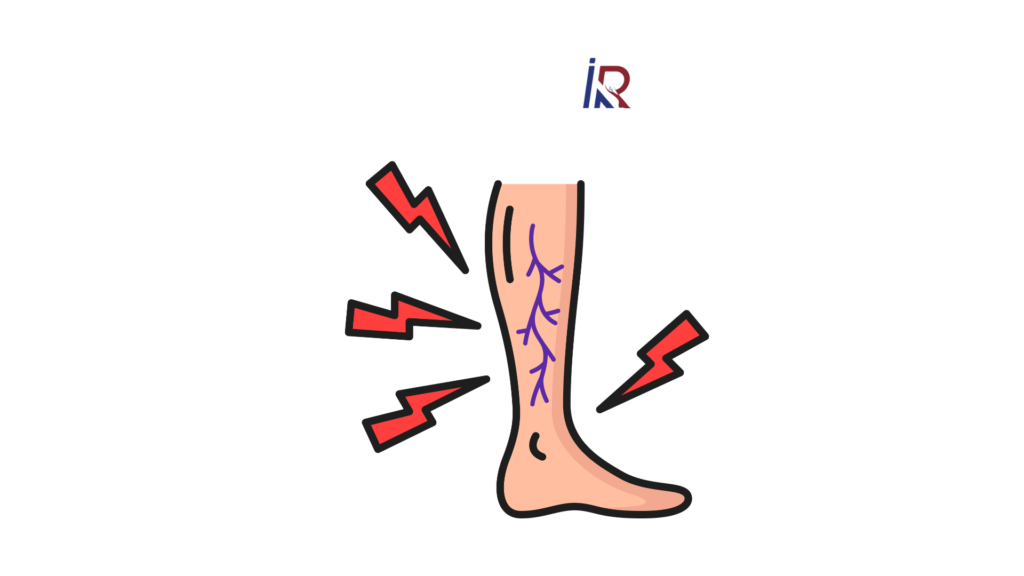
Why Leg Pain Should Not Always Be Ignored
Most leg pain is harmless. It may happen because of muscle strain, standing for long hours, dehydration, or weakness. But Leg Pain with swelling, redness, warmth, or heaviness can be a warning sign of DVT.
You should be careful if the pain is:
- Only in one leg
- Mainly in the calf or thigh
- Getting worse while standing or walking
- Associated with swelling
- Associated with skin warmth or color change
- Not improving with rest
According to NHS guidance, DVT symptoms can include swelling, tenderness, throbbing pain, heavy ache, warm skin, and red or darkened skin around the painful area.
Also Read: Understanding Deep Vein Thrombosis(DVT): Causes, Symptoms, and Treatment Options
Common Symptoms of DVT
DVT symptoms can be mild in the beginning. Some patients may not feel anything serious at first. That is why awareness is important.
1. Pain in One Leg
The most common symptom is pain in one leg, especially in the calf or thigh. It may feel like cramping, tightness, heaviness, or deep muscle pain.
2. Swelling
Swelling in one leg is an important warning sign. If one leg looks bigger than the other, it should not be ignored.
3. Warm Skin
The affected area may feel warmer than the surrounding skin.
4. Redness or Color Change
The skin may look red, dark, bluish, or slightly discolored.
5. Tenderness
The leg may feel painful when touched or pressed.
6. Tightness or Heavy Feeling
Some patients feel heaviness or pressure in the leg instead of sharp pain.
Also Read: How to Get Rid of Varicose Veins Without Surgery — A Complete Guide
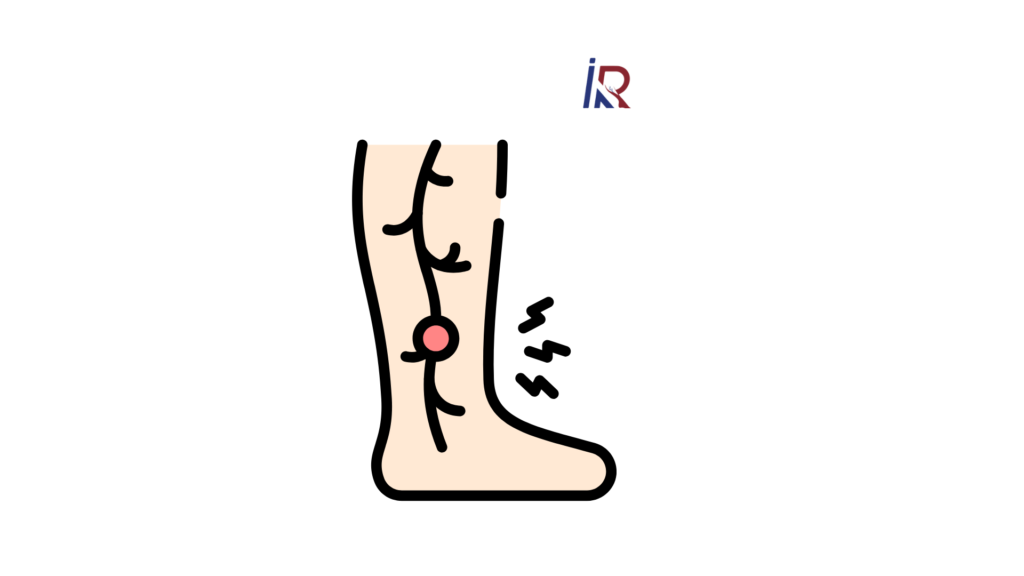
Emergency Warning Signs
DVT becomes life-threatening when the clot travels to the lungs. This is called pulmonary embolism.
Seek emergency medical help immediately if you have:
- Sudden breathing difficulty
- Chest pain
- Fast heartbeat
- Coughing blood
- Fainting or dizziness
- Sudden weakness with leg swelling
CDC and NHS mention that symptoms like sudden shortness of breath, chest pain, coughing blood, fast heartbeat, or fainting may indicate pulmonary embolism and need urgent medical care.
Who is at Higher Risk of DVT?
Anyone can develop DVT, but some people are at higher risk.
Common risk factors include:
- Long sitting during travel
- Long bed rest
- Recent surgery
- Injury or fracture
- Pregnancy
- Obesity
- Smoking
- Cancer
- Family history of blood clots
- Older age
- Hormonal medicines
- Previous DVT
People who sit for long hours at work, travel frequently, or have recently undergone surgery should be more careful.
DVT in Indore: Why Early Diagnosis Matters
In cities like Indore, many people have busy lifestyles. Long office hours, travel, less physical activity, and delayed medical consultation can increase health risks.
The biggest mistake patients make is waiting too long. They often try painkillers, massage, home remedies, or ignore swelling. But if it is DVT, delay can be risky.
Early diagnosis helps in:
- Preventing clot growth
- Reducing pain and swelling
- Avoiding pulmonary embolism
- Protecting leg veins from long-term damage
- Improving recovery
How is DVT Diagnosed?
Doctors usually diagnose DVT with clinical examination and imaging tests.
Doppler Ultrasound
This is the most common test for DVT. It checks blood flow in the veins and detects clots.
Blood Tests
Sometimes, blood tests like D-dimer may be advised.
CT Scan or Venography
In selected cases, advanced imaging may be needed.
If you are in Indore and have one-sided leg swelling or unexplained Leg Pain, consult a vascular or interventional radiology specialist as early as possible.
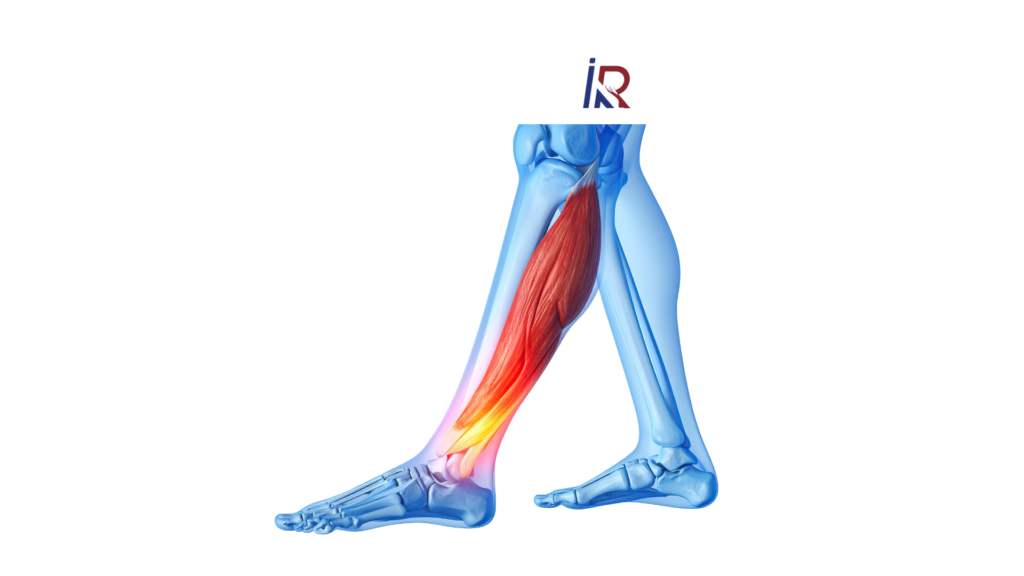
Role of Intervention Radiology in DVT Treatment
Intervention Radiology Indore plays an important role in modern DVT care. Interventional radiology uses image-guided, minimally invasive techniques to diagnose and treat vascular problems without major open surgery.
For selected DVT cases, treatment may include:
- Blood thinner medicines
- Catheter-directed clot treatment
- Mechanical thrombectomy
- Angioplasty or stenting in selected vein blockages
- IVC filter placement in special cases
The exact treatment depends on the clot location, severity, patient condition, and risk factors.
DVT Treatment at Care CHL Indore
For patients looking for advanced DVT care in Central India, Care CHL Indore is a trusted healthcare destination.
Under the guidance of DR. ALOK KUMAR UDIYA, patients can get expert consultation for vascular and minimally invasive procedures. His work in Intervention Radiology Indore focuses on accurate diagnosis, patient safety, and advanced treatment planning.
Why Choose DR. ALOK KUMAR UDIYA for DVT Care in Indore?
Choosing the right doctor is important in DVT because treatment decisions can be time-sensitive.
Patients prefer DR. ALOK KUMAR UDIYA for:
- Expertise in interventional radiology
- Experience in image-guided vascular procedures
- Minimally invasive treatment approach
- Patient-focused care
- Advanced treatment planning at Care CHL Indore
When Should You Visit a Doctor?
You should not wait if you notice:
- Sudden leg swelling
- Pain in one calf or thigh
- Warmth and redness in one leg
- Pain after long travel
- Leg pain after surgery or bed rest
- Breathlessness with leg symptoms
Do not massage the painful swollen leg without medical advice, because if it is a clot, improper handling may increase risk.
How to Reduce the Risk of DVT
You can reduce the risk of DVT with simple lifestyle steps:
- Avoid sitting continuously for long hours
- Walk after every 45–60 minutes
- Stay hydrated
- Maintain healthy weight
- Do ankle movements during travel
- Avoid smoking
- Follow doctor’s advice after surgery
- Use compression stockings only if advised
Difference Between Normal Leg Pain and DVT Pain
| Feature | Normal Leg Pain | DVT Leg Pain |
|---|---|---|
| Location | Both legs or muscle area | Usually one leg |
| Swelling | Usually absent | Common |
| Warmth | Not common | May be present |
| Redness | Rare | Possible |
| Pain type | Muscle soreness | Deep pain, tightness, heaviness |
| Risk | Usually low | Can be serious |
| Action | Rest may help | Needs medical checkup |
FAQs
1. Is all leg pain a sign of DVT?
No. Most leg pain is not DVT. But one-sided leg pain with swelling, warmth, redness, or heaviness should be checked.
2. Can DVT happen without symptoms?
Yes. Some patients may have mild symptoms or no clear symptoms.
3. Is DVT life-threatening?
DVT can become life-threatening if the clot travels to the lungs and causes pulmonary embolism.
4. Which doctor should I consult for DVT in Indore?
You can consult DR. ALOK KUMAR UDIYA, specialist in Intervention Radiology Indore, at Care CHL Indore.
5. Can DVT be treated without open surgery?
Yes. Many cases are treated with medicines. Some serious cases may need minimally invasive interventional radiology procedures.
6. Should I massage my swollen painful leg?
No. Avoid massage until DVT is ruled out by a doctor.
7. What is the best test for DVT?
Doppler ultrasound is commonly used to detect DVT.
8. Can long travel cause DVT?
Yes. Sitting for long hours during travel can increase the risk of DVT, especially in high-risk patients.
9. Can young people get DVT?
Yes. DVT can happen at any age, especially if risk factors are present.
10. Where can I get DVT treatment in Indore?
For expert DVT diagnosis and treatment, patients can visit Care CHL Indore and consult DR. ALOK KUMAR UDIYA for Intervention Radiology Indore care.
Conclusion
Leg pain is common, but it should not always be taken lightly. If your Leg Pain is one-sided, painful, swollen, warm, or associated with redness, it may be a sign of DVT.
Early diagnosis can prevent serious complications. If you are in Indore and looking for expert care, DR. ALOK KUMAR UDIYA at Care CHL Indore provides advanced care in Intervention Radiology Indore for DVT and related vascular conditions.
Do not wait for symptoms to become severe. Timely consultation can save lives.