
Thyroid problems are very common today. Many people suffer from thyroid nodules, goiter (enlarged thyroid), or hyperthyroidism (overactive thyroid). While medicines and surgery are traditional treatment options, modern medical science now offers a minimally invasive alternative called thyroid embolization.
This advanced treatment is performed by specialists like Dr. ALOK KUMAR UDIYA, an experienced Interventional Radiologist at Care CHL Hospital Indore. In this blog, we will explain in simple language how thyroid embolization works, who it helps, and how effective it is in treating thyroid disorders.
Understanding the Thyroid Gland
The thyroid is a small butterfly-shaped gland in the front of your neck. It controls metabolism, energy levels, heart rate, and body temperature by releasing hormones.
Common Thyroid Disorders
- Thyroid Nodules – Lumps in the thyroid gland
- Goiter – Enlargement of the thyroid
- Hyperthyroidism – Overactive thyroid producing excess hormones
- Toxic Nodules – Nodules that produce extra thyroid hormones
Many people live with these conditions for years. Some cases only need monitoring, but others cause symptoms like:
- Neck swelling
- Difficulty swallowing
- Breathing discomfort
- Rapid heartbeat
- Weight loss
- Anxiety and sweating
When symptoms become severe, treatment is needed.
Also Read: Varicose Veins Treatment in Indore: Options, Cost & Best Doctors
Traditional Treatments vs Modern Approach
1. Medicines
Used for hyperthyroidism, but long-term medication may cause side effects and does not shrink large nodules or goiters.
2. Surgery
Thyroid surgery removes part or all of the gland. It is effective but involves:
- General anesthesia
- A visible neck scar
- Risk of voice change
- Risk of calcium imbalance
- Hospital stay and recovery time
3. Radioactive Iodine Therapy
Used to reduce thyroid activity, but not suitable for everyone and may cause permanent low thyroid function.
Also Read: Varicocele Treatment in Indore: Best Doctors, Procedures & Recovery
What Is Thyroid Embolization?
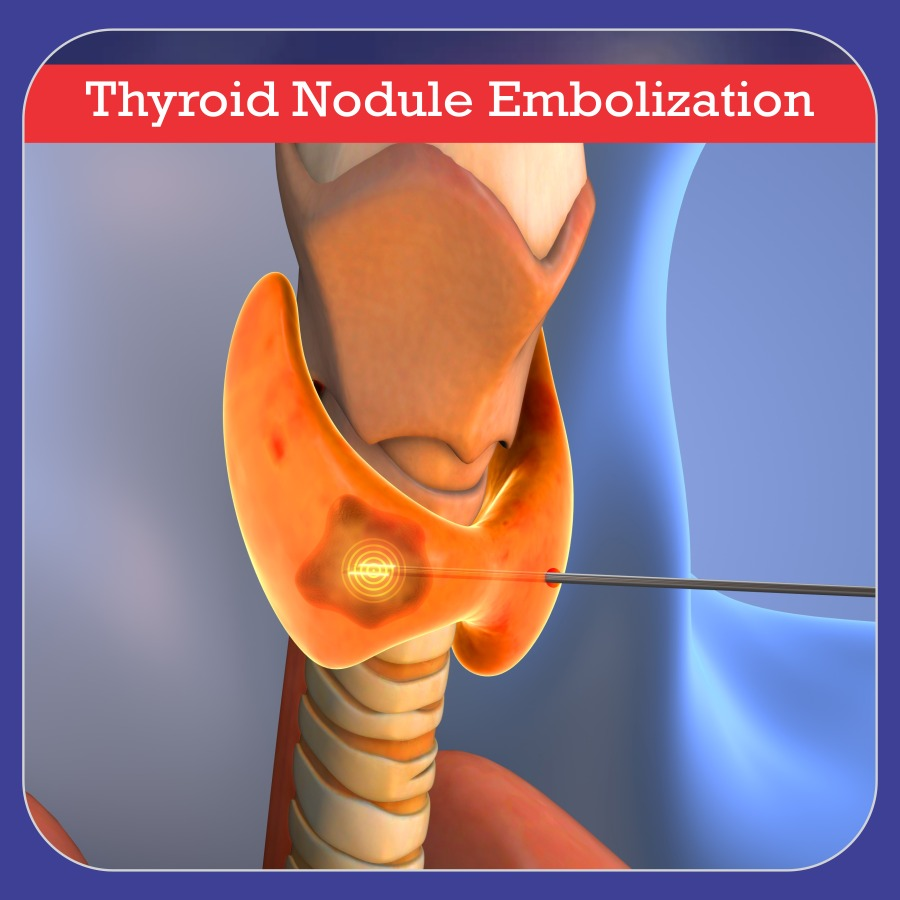
Thyroid embolization is a non-surgical, image-guided procedure that reduces the size and activity of thyroid nodules or goiter by blocking their blood supply.
It is performed by an interventional radiologist like Dr. Alok Kumar Udiya, who uses advanced imaging technology to treat the problem from inside the blood vessels—without open surgery.
Also Read: Varicocele Doctor Near Me: How to Find the Right Specialist
How Thyroid Embolization Works
Here’s the step-by-step process in simple words:
- A tiny puncture is made in the wrist or groin artery.
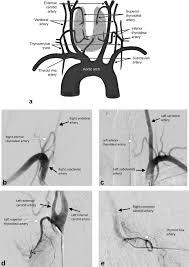
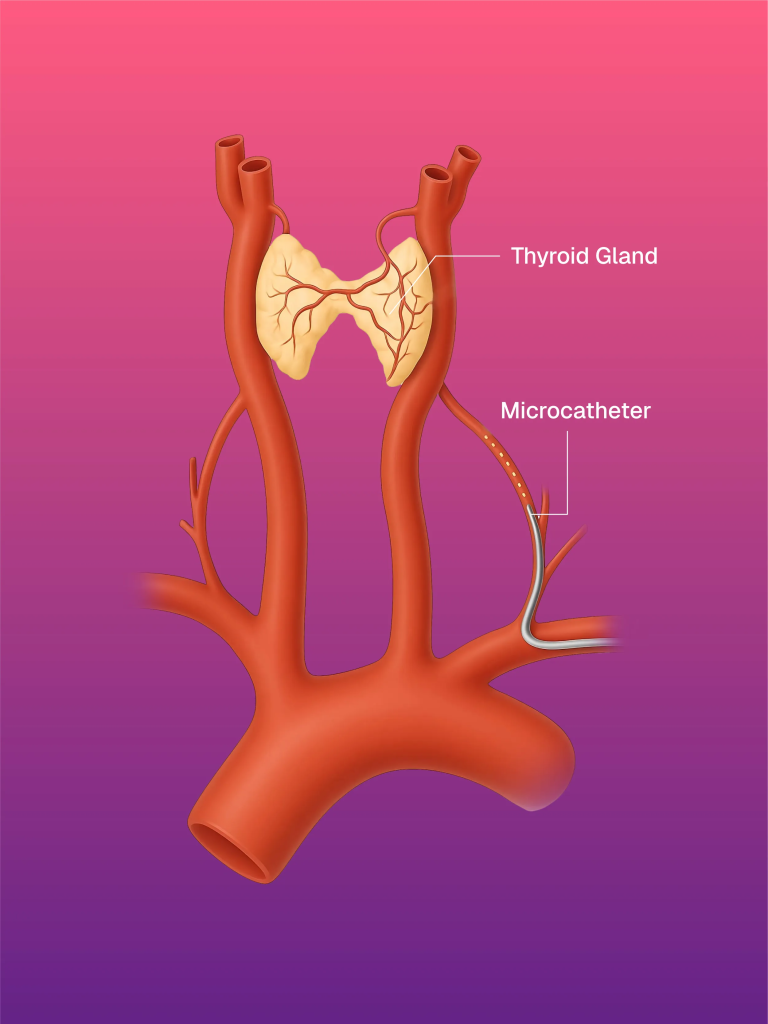
- A thin tube (catheter) is guided to the thyroid gland using imaging guidance.
- The doctor identifies the blood vessels feeding the abnormal thyroid tissue.
- Tiny particles are injected to block these vessels.
- Reduced blood flow causes the nodule or enlarged thyroid tissue to shrink gradually.
The healthy part of the thyroid usually continues to function normally.
Conditions Treated with Thyroid Embolization
This treatment is useful in treating thyroid disorders such as:
- Large thyroid nodules causing pressure symptoms
- Multinodular goiter
- Toxic thyroid nodules (overactive)
- Patients who are not fit for surgery
- Patients who want to avoid neck surgery
How Effective Is Thyroid Embolization?
Now comes the main question — how effective is thyroid embolization?
Significant Size Reduction
Most patients experience 30–60% reduction in the size of thyroid nodules or goiter within a few months. This helps relieve pressure symptoms like:
- Difficulty swallowing
- Neck heaviness
- Breathing discomfort
Symptom Relief
Patients with hyperactive nodules often see improvement in symptoms such as:
- Fast heart rate
- Sweating
- Anxiety
- Weight loss
Hormone levels may improve as the overactive tissue shrinks.
Minimally Invasive with Faster Recovery
Because it is not open surgery:
- No large incision
- No stitches
- Minimal pain
- Same-day or next-day discharge
Lower Risk of Complications
Compared to surgery, embolization has:
- Very low risk of voice nerve damage
- No large neck scar
- Lower risk of major bleeding
- No general anesthesia required
Who Is the Ideal Candidate?
You may be a good candidate for thyroid embolization if:
- You have a large thyroid nodule or goiter
- You have symptoms due to pressure in the neck
- You have hyperthyroidism caused by nodules
- You are not fit for surgery due to other health conditions
- You want a non-surgical treatment option
A specialist like Dr. Alok Kumar Udiya will perform imaging tests and thyroid function tests to decide if this treatment is right for you.
What Happens After the Procedure?
Recovery is usually smooth.
Aftercare Includes:
- Mild neck discomfort for a few days
- Light pain managed with medicines
- Follow-up ultrasound after a few months
- Thyroid hormone monitoring
Most people return to normal routine within a few days.
Is Thyroid Embolization Safe?
Yes, when performed by an experienced interventional radiologist at a well-equipped hospital like Care CHL Hospital Indore, the procedure is considered safe.
Possible Minor Side Effects
- Temporary neck pain
- Mild fever
- Fatigue for a few days
Serious complications are rare.
Comparing Effectiveness: Embolization vs Surgery
| Feature | Thyroid Embolization | Surgery |
|---|---|---|
| Incision | Tiny puncture | Neck incision |
| Scar | No visible scar | Visible scar |
| Hospital Stay | 1 day | 3–5 days |
| Recovery Time | Few days | Few weeks |
| Risk to Voice Nerve | Very low | Present |
| Thyroid Function Loss | Lower risk | Higher chance |
For selected patients, embolization provides strong results with fewer risks.
Why Choose an Interventional Radiologist?
Interventional radiologists specialize in treating diseases using imaging guidance without major surgery. Their precision allows treatment that is:
- Targeted
- Minimally invasive
- Faster recovery
- Lower complications
That’s why patients seeking treating thyroid disorders without surgery often consult experts like Dr. Alok Kumar Udiya.
Final Thoughts
Modern medicine is moving toward treatments that are less invasive and more patient-friendly. Thyroid embolization is a promising option for many people with thyroid nodules and goiter, especially those who want to avoid surgery.
It offers:
- Effective size reduction
- Symptom relief
- Quick recovery
- Minimal complications
If you or a family member is struggling with thyroid enlargement or overactive nodules, consulting an interventional radiologist could open the door to a safer, non-surgical solution.
FAQs
1. Is thyroid embolization painful?
Mild discomfort may occur, but it is much less painful than surgery.
2. How long does the procedure take?
Usually 1–2 hours.
3. Will I need thyroid hormone tablets after embolization?
Most patients do not need lifelong hormone tablets, but monitoring is required.
4. How soon will the thyroid shrink?
Reduction starts gradually over weeks to months.
5. Is the procedure permanent?
Yes, treated nodules shrink permanently, but regular follow-up is important.