
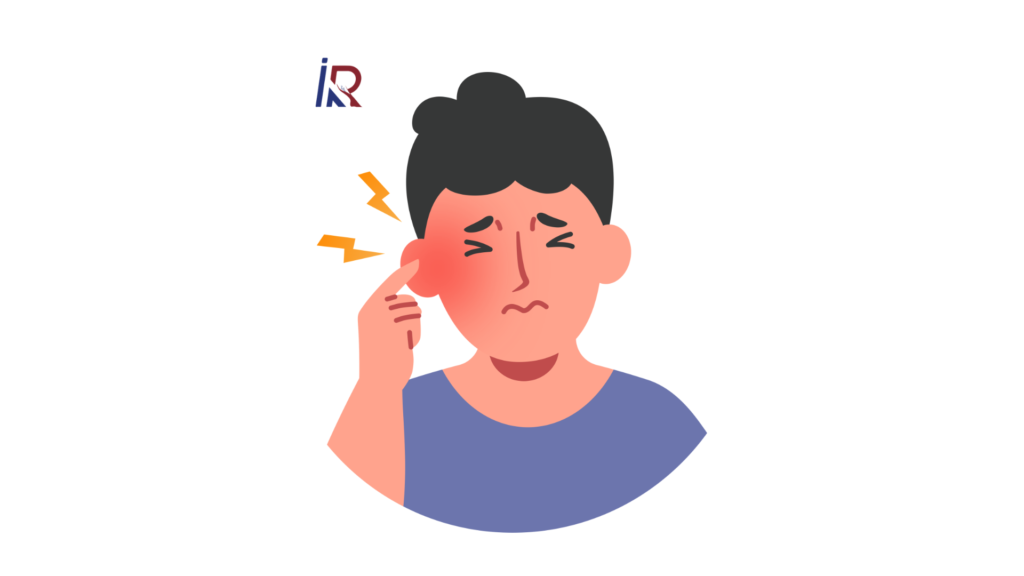
A sudden, sharp pain on one side of the face can be frightening. Many people initially assume it is a dental problem, sinus infection, or migraine. However, if the pain is intense, electric shock-like, and occurs repeatedly, it could be Trigeminal Neuralgia, one of the most painful nerve disorders known.
Sharp Face Pain caused by Trigeminal Neuralgia often lasts only a few seconds or minutes, but the episodes can occur many times a day. Simple activities such as brushing your teeth, washing your face, talking, chewing, or even a gentle breeze can trigger severe facial pain.
Although the condition can significantly affect daily life, modern medicine offers several effective treatment options. Early diagnosis and timely treatment can help reduce pain, improve quality of life, and prevent unnecessary suffering.
In this article, we’ll explain what Trigeminal Neuralgia is, its causes, symptoms, diagnosis, available treatment options, and the role of Interventional Radiology in managing facial pain.
What Is Trigeminal Neuralgia?
Trigeminal Neuralgia is a chronic pain disorder that affects the trigeminal nerve, the fifth cranial nerve responsible for carrying sensation from the face to the brain.
The trigeminal nerve has three major branches:
- Ophthalmic (forehead and eye)
- Maxillary (cheek and upper jaw)
- Mandibular (lower jaw and chin)
When this nerve becomes irritated or compressed, it may send abnormal pain signals to the brain, causing sudden attacks of severe facial pain.
The pain usually affects only one side of the face and is often described as one of the most intense types of pain experienced by humans.
Also Read: How to Get Rid of Varicose Veins Without Surgery — A Complete Guide
What Causes Trigeminal Neuralgia?
The most common cause is compression of the trigeminal nerve by a nearby blood vessel.
Other possible causes include:
Blood Vessel Compression
A nearby artery or vein presses against the nerve, damaging its protective covering (myelin).
Multiple Sclerosis (MS)
MS may damage the nerve covering and lead to facial pain.
Brain Tumors
Rarely, tumors may compress the trigeminal nerve.
Previous Facial Injury
Trauma affecting the nerve may trigger chronic pain.
Stroke
Certain neurological conditions may contribute to trigeminal nerve dysfunction.
In many patients, no serious underlying disease is found apart from vascular compression.
Also Read: Say Goodbye to Breast Lumps: The Minimally Invasive Way to Treat Fibroadenomas

Symptoms of Trigeminal Neuralgia
The hallmark symptom is sudden, severe facial pain.
Common symptoms include:
Electric Shock-Like Pain
Patients often describe the pain as a sudden electric shock.
Sharp Face Pain
The pain is extremely intense and localized to one side of the face.
Recurrent Pain Attacks
Episodes may occur several times a day.
Triggered by Routine Activities
Pain may be triggered by:
- Brushing teeth
- Washing the face
- Shaving
- Talking
- Eating
- Smiling
- Applying makeup
- Cold wind
Pain-Free Intervals
Many patients experience symptom-free periods between attacks.
Also Read: DVT Explained: Early Signs of Deep Vein Thrombosis You Should Never Ignore
Which Side of the Face Is Usually Affected?
Most patients experience pain on only one side of the face.
Commonly affected areas include:
- Cheek
- Jaw
- Teeth
- Lips
- Chin
Pain affecting both sides simultaneously is uncommon.
Who Is at Higher Risk?
Trigeminal Neuralgia is more common in:
- Adults over 50 years
- Women
- People with multiple sclerosis
- Individuals with a family history (rare)
- Patients with vascular compression around the trigeminal nerve
When Should You See a Doctor?
Seek medical evaluation if:
- Facial pain is sudden and severe.
- Pain repeatedly occurs in the same area.
- Pain interferes with eating or speaking.
- Pain medications are no longer effective.
- Dental treatment has not relieved the symptoms.
Early diagnosis can prevent unnecessary dental procedures and prolonged discomfort.
How Is Trigeminal Neuralgia Diagnosed?
Diagnosis is based on medical history, neurological examination, and imaging studies.
Clinical Evaluation
Doctors evaluate:
- Nature of pain
- Pain triggers
- Duration
- Frequency
- Affected facial region
MRI Brain
MRI helps identify nerve compression, multiple sclerosis, tumors, or other structural abnormalities.
MR Angiography (MRA)
MRA may help visualize blood vessels near the trigeminal nerve.
These investigations also help exclude other causes of facial pain.
Treatment Options
Treatment depends on:
- Severity of symptoms
- Frequency of attacks
- Age
- Overall health
- Underlying cause
Medications
Anti-seizure medications are commonly used as first-line treatment to reduce abnormal nerve activity.
Pain relief medications alone are often less effective for trigeminal neuralgia.
Minimally Invasive Procedures
Patients who do not respond adequately to medications may benefit from minimally invasive procedures.
These procedures aim to reduce pain by interrupting abnormal nerve signals while preserving facial function as much as possible.
The choice of treatment depends on individual patient evaluation.
Microvascular Decompression Surgery
In selected patients, surgery may be performed to relieve pressure from the blood vessel compressing the trigeminal nerve.
This procedure addresses the underlying cause rather than simply controlling symptoms.
The Role of Interventional Radiology
Modern Interventional Radiology plays an important role in image-guided diagnosis and minimally invasive treatment planning for various neurological and vascular conditions.
Depending on the patient’s clinical findings and multidisciplinary evaluation, image-guided procedures may contribute to comprehensive patient care.
Potential advantages of minimally invasive approaches include:
- Small puncture sites
- Reduced recovery time
- Less postoperative discomfort
- Shorter hospital stay in selected patients
- Image-guided precision
Treatment decisions are individualized based on the patient’s condition.
Living With Trigeminal Neuralgia
Although the condition can be extremely painful, many patients successfully manage symptoms with appropriate treatment.
Helpful lifestyle measures include:
- Taking medications exactly as prescribed
- Identifying pain triggers
- Avoiding extremely cold foods or drinks if they trigger pain
- Maintaining good oral hygiene
- Managing stress
- Attending regular follow-up appointments
Can Trigeminal Neuralgia Be Prevented?
There is currently no guaranteed way to prevent Trigeminal Neuralgia.
However, early diagnosis and timely treatment can significantly reduce pain episodes and improve quality of life.
Patients with persistent facial pain should seek medical evaluation instead of assuming the pain is dental in origin.
Myths vs Facts
| Myth | Fact |
|---|---|
| Sharp facial pain is always a dental problem. | Trigeminal Neuralgia is a common neurological cause of severe facial pain. |
| Facial pain is normal with aging. | Persistent facial pain should always be medically evaluated. |
| Tooth extraction cures facial pain. | Unnecessary dental procedures do not treat Trigeminal Neuralgia. |
| Surgery is the only option. | Many patients respond well to medications or minimally invasive procedures. |
| Trigeminal Neuralgia affects the entire face equally. | Pain usually affects one side of the face. |
Why Choose Dr. Alok Kumar Udiya?
If you experience recurrent Sharp Face Pain or have been diagnosed with Trigeminal Neuralgia, timely consultation with an experienced specialist is important.
Dr. Alok Kumar Udiya, an experienced Interventional Radiologist at Care CHL Hospital Indore, specializes in advanced image-guided minimally invasive procedures for neurological and vascular conditions. Depending on the patient’s diagnosis and multidisciplinary evaluation, minimally invasive treatment options may be considered as part of an individualized care plan.
Every patient requires careful assessment to determine the most appropriate treatment strategy.
Conclusion
Sharp Face Pain should never be ignored, especially when it occurs suddenly, repeatedly, or feels like an electric shock. Trigeminal Neuralgia is a highly painful neurological condition, but it is also treatable.
With accurate diagnosis, appropriate medications, and modern minimally invasive treatment options, many patients experience significant pain relief and an improved quality of life.
If facial pain interferes with your daily activities or continues despite dental treatment, consult a qualified healthcare professional for a thorough evaluation.
Frequently Asked Questions (FAQs)
1. What is Trigeminal Neuralgia?
Trigeminal Neuralgia is a nerve disorder that causes sudden, severe facial pain due to irritation or compression of the trigeminal nerve.
2. What does Trigeminal Neuralgia pain feel like?
Most patients describe it as an electric shock, stabbing, or burning pain on one side of the face.
3. What triggers Sharp Face Pain?
Common triggers include chewing, talking, brushing teeth, washing the face, shaving, smiling, or exposure to cold air.
4. Is Trigeminal Neuralgia a dental problem?
No. Although it is often mistaken for a dental issue, it is a neurological condition.
5. How is Trigeminal Neuralgia diagnosed?
Diagnosis is based on clinical evaluation, MRI, and sometimes MR Angiography to identify nerve compression or other underlying causes.
6. Can Trigeminal Neuralgia be cured?
Many patients achieve excellent pain control with medications, minimally invasive procedures, or surgery, depending on the cause.
7. Does every patient require surgery?
No. Many patients improve with medications or other less invasive treatment options.
8. Is Trigeminal Neuralgia life-threatening?
The condition is usually not life-threatening, but it can severely affect quality of life if left untreated.
9. Can Trigeminal Neuralgia come back after treatment?
Some patients may experience recurrence, making regular follow-up important.
10. Which specialist should I consult?
Patients with persistent facial pain should seek evaluation from a neurologist, neurosurgeon, pain specialist, or Interventional Radiologist, depending on the underlying cause and treatment requirements.