
When doctors find a lump, swelling, or abnormal area inside the body, the most important step is to find out exactly what it is. Is it infection? Is it inflammation? Is it cancer? Or is it something harmless?
This is where Image-guided Biopsy plays a very important role.
An Image-guided Biopsy is a modern, minimally invasive procedure that helps doctors take a small tissue sample from inside the body using advanced imaging technology like ultrasound, CT scan, or fluoroscopy. This procedure allows accurate diagnosis without major surgery.
At Care CHL Hospital Indore, advanced image-guided procedures are performed under the expert supervision of DR. ALOK KUMAR UDIYA, who specializes in minimally invasive interventional radiology treatments.
In this detailed blog, we will explain everything about Image-guided Biopsy in simple English — what it is, why it is needed, how it is done, benefits, risks, recovery, and why choosing the right expert matters.
What is Image-guided Biopsy?
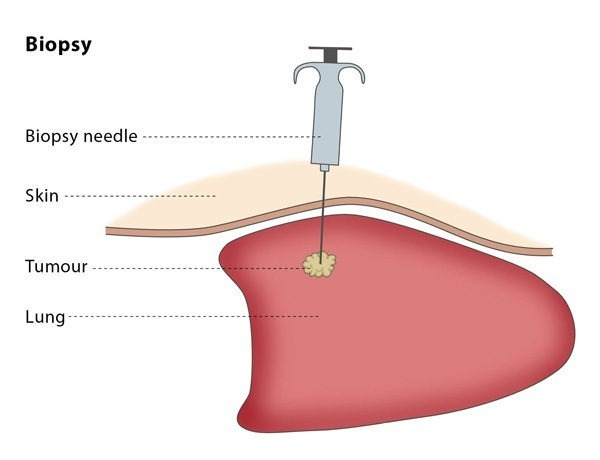
An Image-guided Biopsy is a medical procedure where a small sample of tissue is removed from the body using a thin needle. The doctor uses imaging technology to guide the needle exactly to the abnormal area.
Instead of doing open surgery, imaging tools help the doctor see inside the body in real time and reach the exact spot safely.
Read More: Interventional Radiology in Breast Cancer: A Modern, Minimally Invasive Approach to Treatment
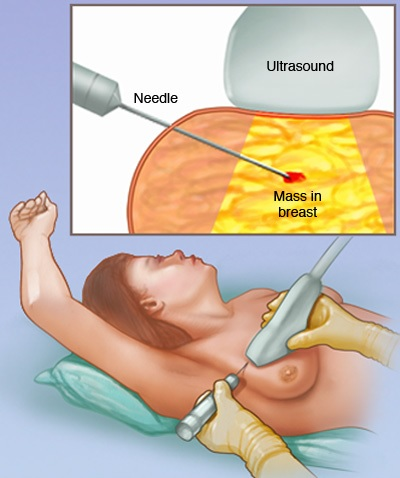
Imaging methods commonly used:
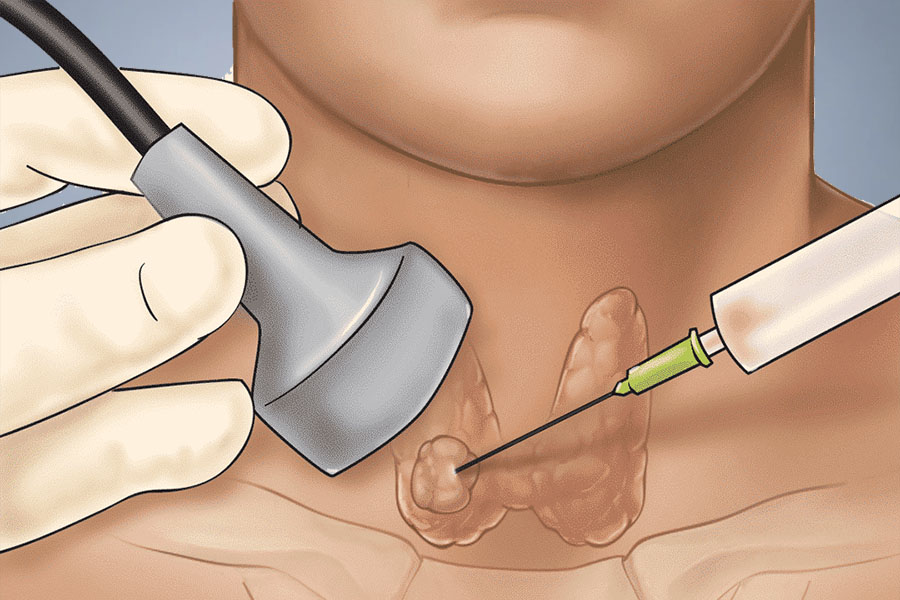
- Ultrasound-guided biopsy
- CT-guided biopsy
- Fluoroscopy-guided biopsy
This technique increases accuracy and reduces complications.
Why is Image-guided Biopsy Needed?
Doctors recommend Image-guided Biopsy when:
- A lump is found in breast, thyroid, liver, lung, kidney, or lymph node
- An abnormal shadow appears on CT scan or MRI
- There is suspicion of cancer
- Infection needs confirmation
- Tumor type needs identification
- Before planning cancer treatment
Without biopsy, doctors cannot confirm the exact diagnosis. Imaging tests can suggest a problem, but only biopsy can confirm it.
Read More: Thyroid Embolization or RFA: Best Treatment Options for Thyroid Nodule
How Does Image-guided Biopsy Work?
Let us understand the procedure step by step.
Step 1: Evaluation
The doctor studies previous reports like CT scan, MRI, or ultrasound to plan the safest path.
Step 2: Positioning
You lie comfortably on the procedure table. The area is cleaned and sterilized.
Step 3: Local Anesthesia
A small injection is given to numb the area. You stay awake but comfortable.
Step 4: Imaging Guidance
Using real-time imaging (ultrasound or CT), the doctor sees the lesion on a screen.
Step 5: Needle Insertion
A thin biopsy needle is carefully inserted into the abnormal area.
Step 6: Tissue Sampling
Small tissue samples are taken and sent to the lab for testing.
The entire procedure usually takes 20–45 minutes.
Read More: How Effective Is Thyroid Embolization in Treating Thyroid Disorders?
Types of Image-guided Biopsy
1. Ultrasound-Guided Biopsy
- Used for thyroid, breast, liver, lymph nodes
- No radiation
- Real-time guidance
- Quick and safe
2. CT-Guided Biopsy
- Used for lung, deep abdominal organs
- Very precise for deep lesions
- Highly accurate
3. Fluoroscopy-Guided Biopsy
- Used in specific bone or spine cases
At Care CHL Hospital Indore, the most suitable method is selected based on the patient’s condition.
Read Also: Varicose Veins Treatment in Indore: Options, Cost & Best Doctors
Organs Where Image-guided Biopsy is Commonly Performed
- Lung
- Liver
- Kidney
- Thyroid
- Breast
- Lymph nodes
- Bone
- Abdomen
- Retroperitoneum
Because the procedure is guided by imaging, even deep organs can be safely accessed.
Benefits of Image-guided Biopsy
Image-guided Biopsy has many advantages compared to traditional surgical biopsy.
1. Minimally Invasive
No large cuts. Only a small needle entry.
2. High Accuracy
Imaging ensures exact targeting of the lesion.
3. Faster Recovery
Most patients go home the same day.
4. Less Pain
Local anesthesia is sufficient in most cases.
5. Lower Cost
Much cheaper than open surgery.
6. Reduced Complications
Precise needle placement reduces risk.
Under the expertise of DR. ALOK KUMAR UDIYA, these procedures are performed with high precision and safety.
Is Image-guided Biopsy Painful?
Most patients report:
- Mild discomfort
- Pressure sensation
- Slight soreness after procedure
Since local anesthesia is used, there is usually no major pain.
Are There Any Risks?
Every medical procedure has small risks, but Image-guided Biopsy is considered very safe.
Possible minor risks:
- Mild bleeding
- Bruising
- Temporary pain
- Rare infection
Serious complications are uncommon when performed by experienced interventional radiologists.
At Care CHL Hospital Indore, strict safety protocols are followed.
Preparation Before Image-guided Biopsy
Your doctor may advise:
- Blood tests (to check clotting)
- Stop blood thinners temporarily
- Fasting for 4–6 hours (in some cases)
- Bring previous scan reports
Always inform your doctor about:
- Diabetes
- Blood pressure
- Allergies
- Any medications
What Happens After the Procedure?
- You may be observed for 1–4 hours.
- Mild soreness may be present.
- Avoid heavy lifting for 24–48 hours.
- Resume normal activities next day in most cases.
Biopsy results usually come in 2–5 days.
Why Choose an Experienced Interventional Radiologist?
The success of Image-guided Biopsy depends on:
- Proper imaging selection
- Accurate needle placement
- Understanding anatomy
- Managing complications
That is why choosing an experienced specialist like DR. ALOK KUMAR UDIYA is important.
He performs advanced minimally invasive procedures at Care CHL Hospital Indore, ensuring patient safety and diagnostic accuracy.
Role of Interventional Radiology in Modern Medicine
Image-guided Biopsy is part of Interventional Radiology — a field that treats diseases using minimally invasive techniques.
Instead of open surgery, small punctures are used to:
- Diagnose tumors
- Drain abscess
- Treat fibroids
- Block blood vessels
- Treat prostate enlargement
This approach reduces hospital stay and improves recovery.
How Accurate is Image-guided Biopsy?
Accuracy rates are very high:
- Lung biopsy: 85–95%
- Thyroid biopsy: 90–98%
- Liver biopsy: 90%+
Accuracy improves when performed by experienced specialists using advanced imaging equipment.
When Should You Consult for Image-guided Biopsy?
Consult immediately if:
- You feel an unexplained lump
- A scan shows suspicious lesion
- You have unexplained weight loss
- You have chronic cough with lung shadow
- Your doctor advises tissue confirmation
Early diagnosis saves lives.
FAQs
1. How long does Image-guided Biopsy take?
Usually 20–45 minutes depending on location.
2. Is hospital admission required?
Most cases are day-care procedures.
3. Can biopsy spread cancer?
No. This is a common myth. Modern biopsy techniques are safe.
4. When will I get results?
Typically within 2–5 days.
5. Is it covered by insurance?
Most insurance policies cover biopsy procedures.
Why Care CHL Hospital Indore?
Choosing the right hospital matters.
At Care CHL Hospital Indore, patients benefit from:
- Advanced imaging technology
- Modern operation theatre
- Experienced interventional radiology team
- Safe and sterile environment
- Patient-centered care
Under the leadership of DR. ALOK KUMAR UDIYA, Image-guided Biopsy procedures are performed with precision and safety.
Conclusion
Image-guided Biopsy is a powerful, safe, and minimally invasive method to diagnose many diseases accurately. It reduces the need for major surgery and provides fast results with minimal discomfort.
If you or your family member has been advised a biopsy, do not panic. With modern technology and expert care, the procedure is safe and effective.
For expert consultation and advanced Image-guided Biopsy services, visit Care CHL Hospital Indore and consult DR. ALOK KUMAR UDIYA.
Early diagnosis leads to better treatment. Do not delay when your health is concerned.