
Finding a lump in the breast can be a worrying moment for any woman. The first thought that often comes to mind is cancer. But the truth is, most breast lumps in young women are not cancer at all. One of the most common non-cancerous (benign) breast lumps is called a breast fibroadenoma. Many women have heard the word but do not really know what it means or what they should do about it.
In the past, the only solution for a fibroadenoma was open surgery. Surgery meant cuts on the breast, stitches, scars, hospital stay, and a long recovery. Many women hesitated to go for treatment because they were scared of the cut and the scar. The good news is that medical science has moved far ahead. Today, with the help of modern Interventional Radiology, breast fibroadenoma can be treated without any major cut, without stitches, and without leaving a big scar.
This detailed guide will help you understand what breast fibroadenoma is, why it happens, what the symptoms look like, and most importantly, how Breast Fibroadenoma Treatment can be done in a safe, painless, and minimally invasive way. We will also discuss the role of Interventional Radiology Indore, with special focus on the work of Dr. Alok Kumar Udiya at Care CHL Hospital Indore, where modern non-surgical treatments are now changing the lives of women across central India.
What Is Breast Fibroadenoma?
A breast fibroadenoma is a solid, smooth, firm lump that grows inside the breast. It is made up of both gland tissue and connective tissue. The lump is non-cancerous, which means it does not spread to other parts of the body. It is most commonly seen in women between the ages of 15 and 35, but it can appear at any age.
These lumps are often described as feeling like a small marble or a rubber ball that moves easily under the skin when you touch it. They are usually painless. Some women have only one fibroadenoma, while others may have several lumps in one or both breasts.
Although fibroadenomas are not dangerous, they can grow in size, cause discomfort, change the shape of the breast, and create a lot of mental stress. This is why many women seek a proper diagnosis and a safe treatment option.
Also Read: What is Vacuum Assisted Biopsy for Breast Fibroadenoma? | Intervention Radiology Indore
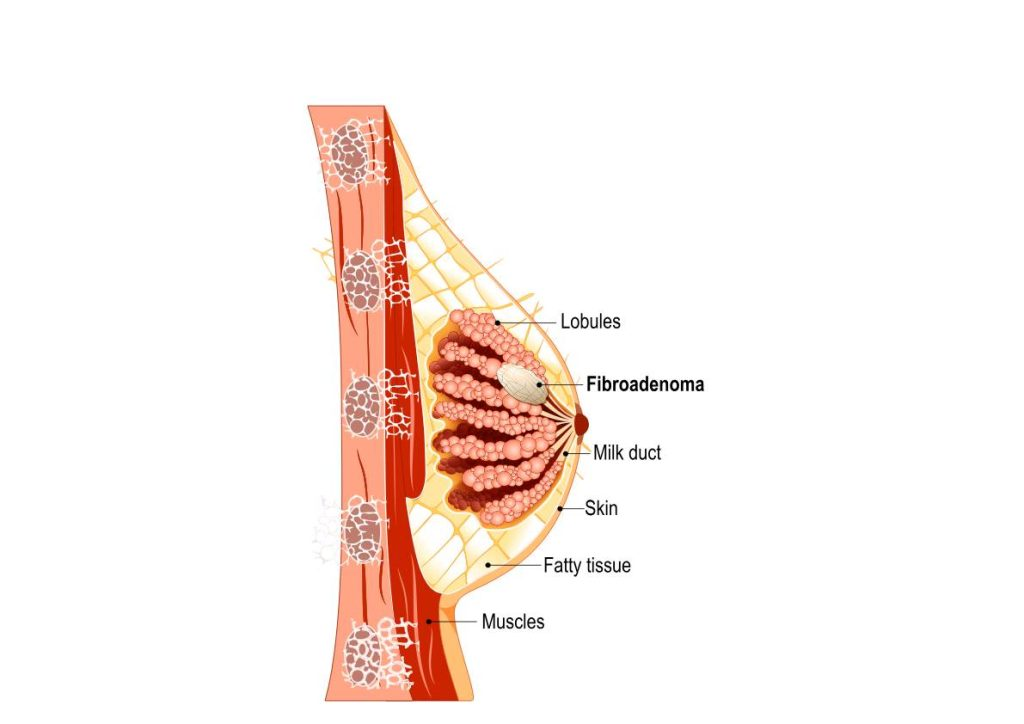
Types of Fibroadenoma
Doctors usually divide fibroadenomas into a few types based on size and behaviour. Knowing the type is helpful when planning Breast Fibroadenoma Treatment.
- Simple Fibroadenoma: These are the most common type. They are small, smooth, and do not increase the risk of breast cancer.
- Complex Fibroadenoma: These contain other changes such as cysts or calcium deposits. They may slightly increase the long-term risk of breast cancer and need closer follow-up.
- Giant Fibroadenoma: These grow larger than 5 centimetres and may need treatment because they can press on nearby tissue.
- Juvenile Fibroadenoma: Found in teenage girls and young women. These can grow quickly and may also need treatment.
Also Read: Understanding Breast Fibroadenoma: A Comprehensive Guide
What Causes Breast Fibroadenoma?
The exact cause of fibroadenoma is not fully known, but it is closely linked to the female hormone estrogen. The lumps often grow during phases of high hormone activity, such as during the menstrual cycle, pregnancy, or hormone therapy. They may shrink after menopause when estrogen levels drop.
Some common factors that may increase the chances of developing a fibroadenoma include hormonal changes during youth, the use of birth control pills before the age of 20, family history of breast lumps, and pregnancy. Diet and lifestyle may also play a small role, but these are not direct causes.
Also Read: Breast Fibroadenoma Symptoms ,Treatment & Removal
Symptoms You Should Not Ignore
Most fibroadenomas are picked up during a routine self-examination or by chance during a doctor’s visit. The symptoms are usually mild but should never be ignored. Common signs include:
- A round, smooth, firm, and rubbery lump in the breast.
- A lump that moves easily under the skin when touched.
- A lump that is usually painless, but may become tender before periods.
- A lump that may grow slowly over weeks or months.
- Sometimes more than one lump in the same breast or in both breasts.
Although these signs usually point towards a benign lump, it is always wise to confirm with a doctor. Any new breast lump should be examined to rule out other conditions, including cancer.
How Is Breast Fibroadenoma Diagnosed?
A correct diagnosis is the first and most important step before any treatment. Doctors usually follow a step-by-step approach known as the Triple Assessment. This includes:
- Clinical Examination: The doctor feels the lump to check its size, shape, and movement.
- Imaging Tests: An ultrasound is the most common test for young women, while a mammogram may be used for older women. In some cases, an MRI is also advised.
- Biopsy: A small needle is used to take a tiny piece of the lump for testing. This confirms whether the lump is a fibroadenoma or something else.
At centres like Care CHL Hospital Indore, advanced imaging machines and image-guided biopsies are available, making the diagnosis quick, accurate, and almost painless.
Do All Fibroadenomas Need Treatment?
Not every fibroadenoma needs to be removed. Many small lumps stay the same for years and never cause any problem. In such cases, doctors recommend regular follow-up with ultrasound every 6 to 12 months. However, treatment is usually advised in the following situations:
- If the lump is growing in size.
- If the lump is causing pain, pressure, or discomfort.
- If the lump is changing the shape or look of the breast.
- If the lump is causing emotional stress or fear of cancer.
- If the biopsy shows a complex fibroadenoma that needs closer attention.
This is where modern Breast Fibroadenoma Treatment options come in, and where the role of Interventional Radiology becomes very important.
Why Choose Treatment Without Surgery?
For many years, the only way to remove a fibroadenoma was surgery, also called lumpectomy. Surgery means making a cut on the breast, removing the lump, and closing the wound with stitches. While this works, it has several drawbacks:
- Visible scar on the breast that may not fade easily.
- Risk of infection and bleeding from the wound.
- Need for general or local anesthesia.
- Hospital stay and longer recovery time.
- Possible change in the shape of the breast.
- Mental stress related to the surgery and the scar.
Because of these reasons, more women today prefer minimally invasive options. Minimally invasive treatment means using small needles or tiny instruments instead of large cuts. The lump is removed or destroyed under image guidance, with very little damage to the surrounding healthy tissue. This is the heart of modern Interventional Radiology.
What Is Interventional Radiology?
Interventional Radiology, often called IR, is a special branch of medicine where doctors use imaging machines such as ultrasound, CT scan, MRI, and X-ray to guide tiny instruments inside the body. Through very small openings on the skin, often less than the size of a key hole, the doctor can reach the area of disease and treat it directly.
This means many problems that earlier needed open surgery can now be treated without big cuts, without long hospital stays, and with much faster recovery. Interventional Radiology is now used for many conditions including liver disease, kidney problems, varicose veins, fibroids in the uterus, prostate enlargement, and breast lumps such as fibroadenoma.
In central India, Interventional Radiology Indore has grown rapidly over the past few years. Patients no longer need to travel to metro cities for advanced minimally invasive treatments. With expert specialists and modern hospitals, world-class care is now available right in Indore.
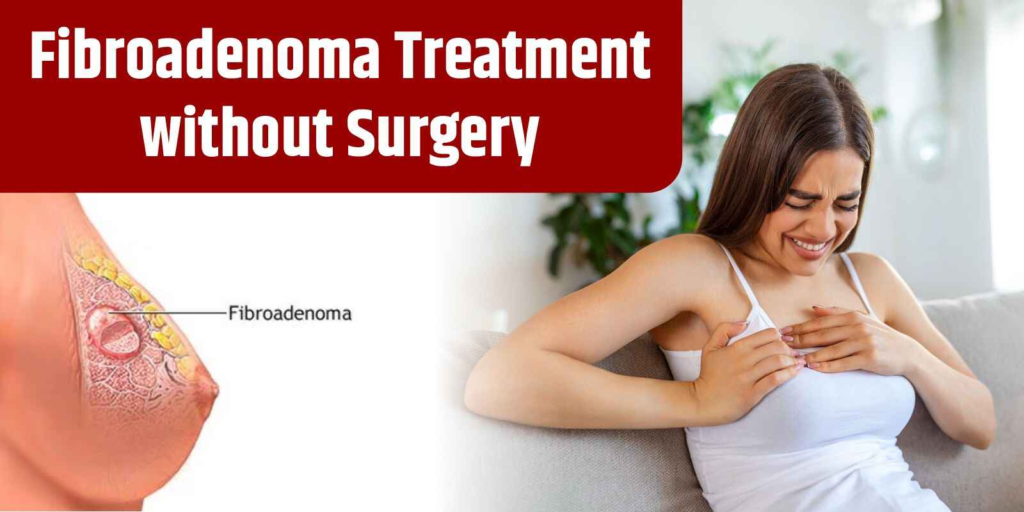
Minimally Invasive Treatment Options for Fibroadenoma
There are several modern, non-surgical options for Breast Fibroadenoma Treatment. The choice depends on the size of the lump, its location, the age of the patient, and the patient’s preference. Let us look at the most popular options.
1. Ultrasound-Guided Vacuum-Assisted Excision (VAE)
Vacuum-Assisted Excision, also called Vacuum-Assisted Breast Biopsy when used for diagnosis, is one of the most popular non-surgical methods for removing breast fibroadenoma. It is done under local anesthesia and ultrasound guidance.
During the procedure, the doctor makes a tiny opening on the skin, usually around 3 to 5 millimetres. A special probe is then guided to the lump using ultrasound. The probe uses gentle suction to bring the lump tissue into a small chamber, where a rotating cutter slices it into small pieces. These pieces are then removed through the same probe.
The whole process takes about 30 to 60 minutes. Since the cut is so small, no stitches are needed. Patients can usually go home the same day and return to normal activities within a day or two.
2. Cryoablation
Cryoablation means destroying the lump by freezing it. A thin needle-like probe is inserted into the fibroadenoma under ultrasound guidance. Very cold gas is then passed through the probe, which freezes the lump and turns it into an ice ball. The frozen tissue dies and is slowly absorbed by the body over the next few months.
Cryoablation is painless, takes less than an hour, and is done under local anesthesia. There is no cut, no stitches, and no scar. It is especially useful for small fibroadenomas and for patients who want to avoid even the smallest opening on the skin.
3. Radiofrequency Ablation (RFA)
Radiofrequency Ablation works in the opposite way of cryoablation. Instead of freezing the lump, it uses heat to destroy it. A thin needle electrode is placed inside the fibroadenoma using ultrasound. High-frequency electric current passes through the needle and produces controlled heat. This heat kills the cells of the lump while keeping the surrounding healthy tissue safe.
RFA is also a daycare procedure. The patient is awake but feels no pain because the area is numb. Recovery is fast, and the cosmetic result is excellent.
4. High-Intensity Focused Ultrasound (HIFU)
HIFU is one of the most advanced techniques. It uses focused ultrasound waves to destroy the lump from outside the body, without inserting any needle. The waves pass through the skin and meet at the exact spot of the lump, creating heat that destroys the tissue.
This is a completely scarless and needle-free option, but it is not yet widely available everywhere and may not be suitable for all types of fibroadenomas. The doctor will decide if a patient is a good candidate for HIFU.
5. Microwave Ablation
Microwave Ablation is similar to RFA, but it uses microwave energy to produce heat. It can treat larger lumps in a shorter time. Like other minimally invasive options, it is done under ultrasound guidance and local anesthesia.
Step-by-Step Journey of a Patient
To make things easier to understand, let us walk through what a patient may experience when she chooses non-surgical Breast Fibroadenoma Treatment at a centre like Care CHL Hospital Indore.
Step 1: Consultation
The journey begins with a detailed consultation. The doctor listens to the patient’s history, examines the breast, and reviews any previous reports. Questions about menstrual cycle, family history, and general health are also asked. This helps in deciding the best plan.
Step 2: Imaging and Biopsy
An ultrasound or mammogram is done to study the lump in detail. If needed, a small needle biopsy is performed to confirm that the lump is indeed a fibroadenoma. This step gives full peace of mind before treatment.
Step 3: Choosing the Right Procedure
Based on the size of the lump, the patient’s age, and her personal wishes, the interventional radiologist explains the best minimally invasive option. The patient is told about the procedure, expected results, possible risks, and recovery.
Step 4: The Procedure Day
On the day of the procedure, the patient comes to the hospital, usually in the morning. There is no need for fasting in most cases. The skin is cleaned, local anesthesia is given, and the procedure is performed under ultrasound guidance. The patient is awake throughout but feels no pain. Most procedures finish within 30 to 60 minutes.
Step 5: Recovery and Going Home
After the procedure, the patient rests for a short time. There is no big bandage, just a small dressing or even a simple band-aid. Most patients walk out of the hospital within a few hours and return to normal life the next day.
Step 6: Follow-Up
A follow-up ultrasound is usually done after a few weeks and again after a few months to confirm that the lump has been fully treated. The doctor also explains how to do regular self-examination to keep the breasts healthy in the long term.
Benefits of Non-Surgical Breast Fibroadenoma Treatment
There are many strong reasons why minimally invasive treatment has become the first choice for both patients and doctors. Some of the key benefits include:
- No Major Cut: Only a tiny opening on the skin, sometimes not even that.
- No Stitches and No Scar: The cosmetic result is excellent, which is very important for women.
- Local Anesthesia Only: There is no need for general anesthesia, which removes many risks.
- Daycare Procedure: Patients come in the morning and go home the same day.
- Less Pain: Most patients say they felt only mild pressure, not real pain.
- Fast Recovery: Normal activities can be resumed within a day or two.
- Breast Shape Preserved: Since there is no large cut or removal of healthy tissue, the natural shape of the breast is maintained.
- Lower Risk of Infection: Smaller wounds mean less chance of infection or other complications.
- Mental Comfort: Many women feel less anxious because they avoid the trauma of open surgery.
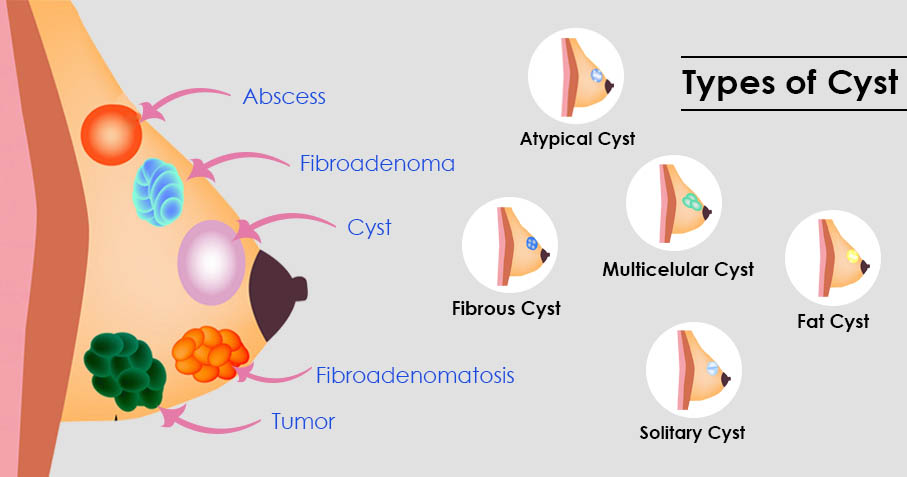
Are There Any Risks?
Every medical procedure has some risks, but minimally invasive Breast Fibroadenoma Treatment has a very strong safety record. The most common side effects are mild bruising, slight pain, or small swelling at the site, all of which usually go away within a few days. In rare cases, there may be a small chance of bleeding, infection, or incomplete removal of the lump. With expert hands and proper imaging, these risks are very low.
This is why it is important to choose a well-trained and experienced specialist. Interventional Radiology is a focused field, and the skill of the doctor matters a lot. Patients in central India are now lucky to have expert care close to home through Interventional Radiology Indore.
About Dr. Alok Kumar Udiya
Dr. Alok Kumar Udiya is one of the leading interventional radiologists in central India. He is well known for his expertise in minimally invasive treatments for many conditions, including breast lumps, uterine fibroids, varicose veins, prostate enlargement, liver tumours, and many others.
With years of training and rich clinical experience, Dr. Alok Kumar Udiya has helped hundreds of women find a safe, scarless, and pain-friendly solution for breast fibroadenoma. His approach is based on careful diagnosis, clear patient communication, and the use of the latest technology. He believes that every patient deserves to understand her own condition and to choose treatment with full confidence.
Patients who visit him often share that they feel relaxed and well informed because he takes the time to explain each step in simple words. His focus is not only on treating the lump but also on improving the overall well-being and confidence of the patient.
Care CHL Hospital Indore: A Trusted Centre for Modern Treatment
Care CHL Hospital Indore is one of the most respected multi-specialty hospitals in central India. The hospital is well known for its advanced technology, modern operation theatres, well-equipped imaging department, and a strong team of specialists. It is a place where modern medicine meets compassionate care.
The Interventional Radiology unit at Care CHL Hospital Indore is one of the few centres in the region offering a complete range of minimally invasive procedures. Patients have access to high-end ultrasound machines, advanced biopsy systems, and modern ablation tools that make Breast Fibroadenoma Treatment safer and more effective.
The hospital also focuses on patient comfort. From the first appointment to the final follow-up, every step is planned to make the experience smooth, stress-free, and respectful. This is one of the reasons why so many patients from Indore, Bhopal, Ujjain, Dewas, and even far away cities choose this hospital for their care.
Recovery After Minimally Invasive Treatment
Recovery after non-surgical Breast Fibroadenoma Treatment is usually very smooth. Most women are surprised at how quickly they can get back to their normal routine. Here are some general guidelines:
- Rest for the rest of the day after the procedure.
- Avoid heavy lifting or strenuous exercise for about a week.
- Wear a soft and supportive bra to reduce any discomfort.
- Take prescribed medicines, if any, on time.
- Keep the small dressing dry for a day or two.
- Eat a healthy and balanced diet to support healing.
- Follow up as advised for ultrasound check-ups.
Mild bruising or tenderness for a few days is normal. If there is severe pain, fever, or any unusual sign, the patient should contact the hospital at once.
Lifestyle Tips for Breast Health
Whether or not a woman has a fibroadenoma, taking care of breast health should be a part of every woman’s lifestyle. Some simple but powerful tips include:
- Do a self-breast examination once a month, ideally a few days after the period.
- Visit a doctor for any new lump, pain, or skin change.
- Maintain a healthy weight through balanced food and regular exercise.
- Limit alcohol and avoid smoking.
- Get a clinical breast examination once a year after the age of 25.
- Ask the doctor about screening mammograms after the age of 40.
- Manage stress with rest, hobbies, and good sleep.
These small habits can make a big difference in long-term breast health and early detection of any problem.
Frequently Asked Questions
Q1. Is breast fibroadenoma cancer?
No. A fibroadenoma is a benign, non-cancerous lump. However, only a doctor can confirm this through proper tests. Never assume a lump is harmless without checking.
Q2. Will a fibroadenoma go away on its own?
Some small fibroadenomas may shrink over time, especially after menopause. But many remain the same size or grow. Regular follow-up is important.
Q3. Is non-surgical treatment painful?
No. Minimally invasive procedures are done under local anesthesia. Most patients feel only mild pressure, not real pain.
Q4. Will there be a scar after treatment?
The cut used in minimally invasive treatment is so small that it usually heals into a tiny mark that fades with time. Many patients say it is almost invisible after a few months.
Q5. How long do I need to stay in the hospital?
Most procedures are done as a daycare service. The patient comes in the morning and goes home the same day, often within a few hours.
Q6. Can fibroadenoma come back after treatment?
In some cases, a new fibroadenoma may appear in another area of the breast. This is not the same as the old lump returning. Regular check-ups help in catching any new lump early.
Q7. Can I get pregnant after this treatment?
Yes. Minimally invasive Breast Fibroadenoma Treatment does not affect fertility, pregnancy, or breastfeeding.
Q8. How do I choose the right doctor?
Look for a trained interventional radiologist with experience in breast procedures. In central India, expert care is available through specialists like Dr. Alok Kumar Udiya at Care CHL Hospital Indore.
Conclusion: A New Era of Comfortable Care
Breast fibroadenoma is a common condition, but it does not have to be a frightening one. With the right diagnosis and the right treatment, women can live free from the worry of breast lumps. The good news is that today, treatment does not have to mean big surgery, deep cuts, long hospital stays, or visible scars.
Modern Breast Fibroadenoma Treatment uses the power of ultrasound, gentle needles, and advanced technology to remove or destroy the lump in a quick, safe, and comfortable way. Through the field of Interventional Radiology, women now have a real choice. They can say yes to treatment without saying yes to the trauma of surgery.
In central India, Interventional Radiology Indore has reached a strong level of expertise. Patients can now get the same quality of care that was once available only in big metro cities. With dedicated specialists like Dr. Alok Kumar Udiya and trusted institutions like Care CHL Hospital Indore, women have a friendly, modern, and reliable place to turn to.
If you or someone you love has been diagnosed with a breast fibroadenoma, do not delay the conversation. Speak to an expert, ask questions, understand your choices, and take the step that protects both your health and your peace of mind. Modern medicine has made it possible to handle fibroadenoma without fear and without the cut. The choice for a softer, safer, and smarter path is now in your hands.
Disclaimer: This blog is for general information and awareness only. It is not a substitute for professional medical advice, diagnosis, or treatment. Always consult a qualified doctor for any health-related concerns.