
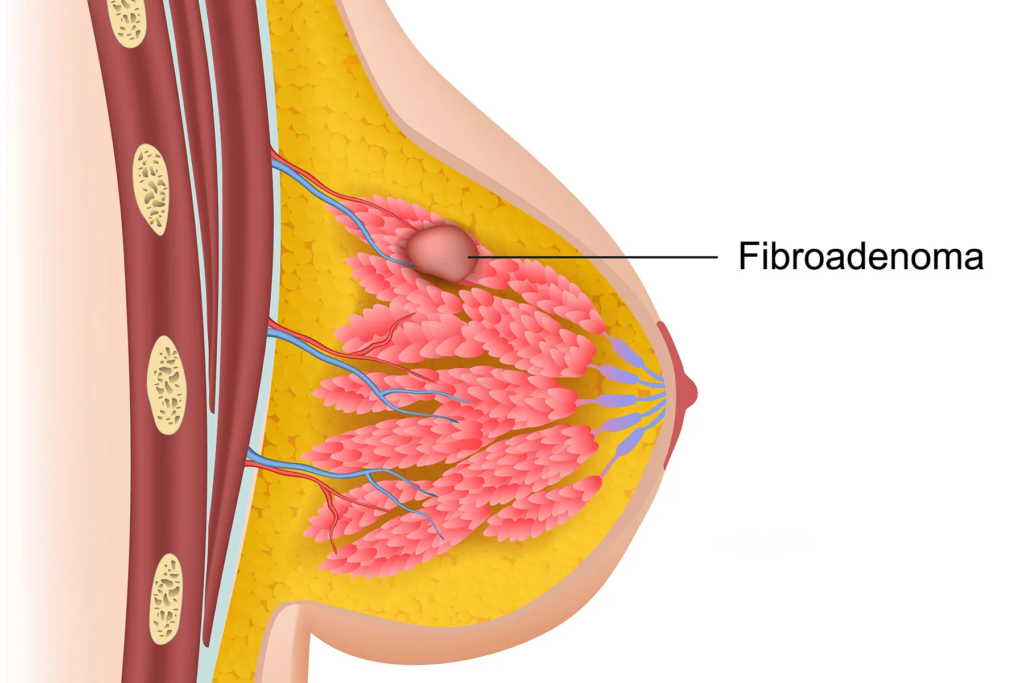
Breast health is an important concern for women of all age groups. Many women feel scared when they notice a lump in their breast, but not all lumps are dangerous. One of the most common non-cancerous (benign) breast lumps is Breast Fibroadenoma.
In today’s advanced medical world, there are modern, painless, and non-surgical treatments available for such conditions. One of the best techniques is Vacuum Assisted Biopsy (VAB), which is both a diagnostic and treatment procedure.
At Care CHL Indore, DR. ALOK KUMAR UDIYA, an expert in Intervention Radiology Indore, provides advanced, minimally invasive solutions like Vacuum Assisted Biopsy for treating breast fibroadenoma safely and effectively.
This blog will help you understand everything about this procedure in simple English.
Table of Contents
What is Breast Fibroadenoma?
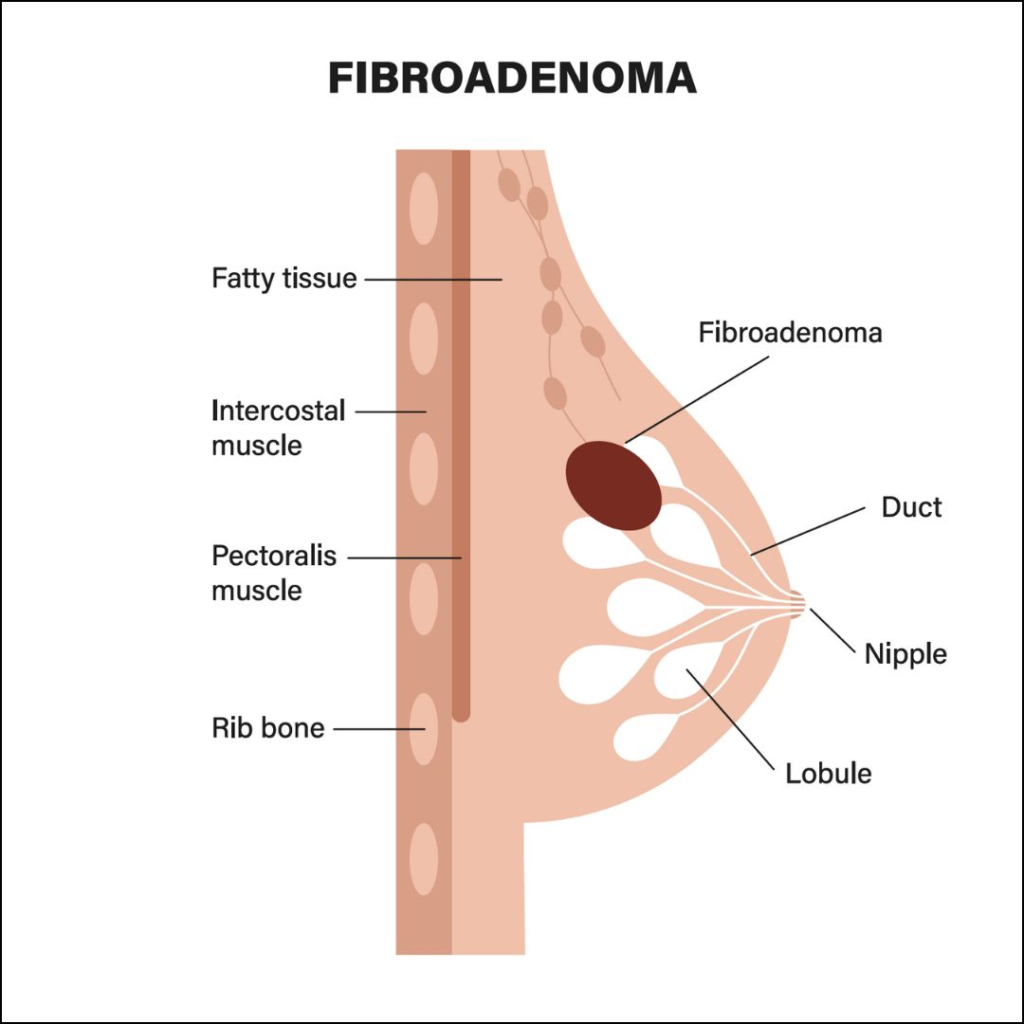
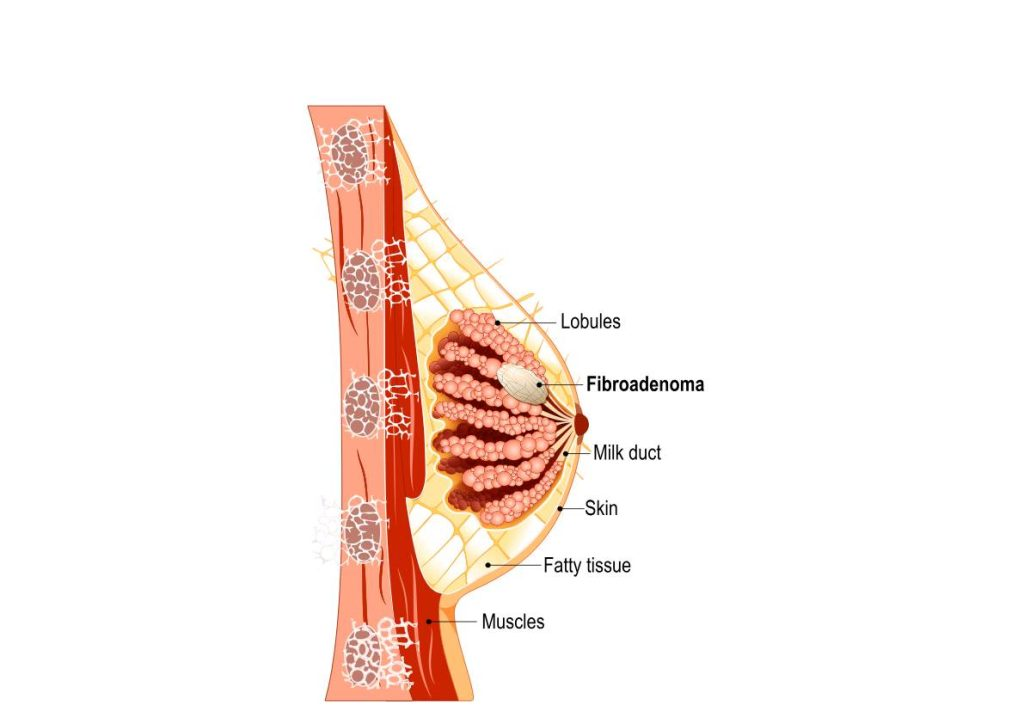
Breast Fibroadenoma is a non-cancerous breast tumor that usually occurs in young women (15–35 years).
Key Features:
- Smooth, round lump
- Moves easily under the skin
- Usually painless
- Firm or rubbery texture
Causes:
- Hormonal changes (especially estrogen)
- Common during puberty or pregnancy
Important Point:
Fibroadenoma is NOT cancer, but proper diagnosis is important to confirm it.
Also Read: Understanding Breast Fibroadenoma: A Comprehensive Guide
What is Vacuum Assisted Biopsy (VAB)?
Vacuum Assisted Biopsy (VAB) is a minimally invasive procedure used to:
- Diagnose breast lumps
- Remove small benign tumors like fibroadenoma
It uses a special needle with vacuum suction to remove tissue from the breast without surgery.
Simple Explanation:
Instead of doing a big operation, doctors use a small needle to suck out the lump safely.
Why is Vacuum Assisted Biopsy Needed?
Doctors recommend VAB when:
- There is a suspicious breast lump
- Imaging (ultrasound/mammography) is unclear
- Confirm diagnosis of fibroadenoma
- Remove small benign lumps without surgery
Benefits:
- Accurate diagnosis
- No major surgery
- Quick recovery
How Vacuum Assisted Biopsy Works
Step-by-Step Process:
- Preparation
- Patient lies comfortably
- Area is cleaned
- Local Anesthesia
- Numbing injection given
- No pain during procedure
- Needle Insertion
- Guided by ultrasound
- Small incision (2–3 mm)
- Tissue Removal
- Vacuum device removes tissue/lump
- Multiple samples taken
- Completion
- Bandage applied
- No stitches required
Is Vacuum Assisted Biopsy Painful?
Most patients ask this question.
Answer:
No, it is almost painless
- Only mild discomfort during anesthesia
- No major pain during procedure
- Slight soreness for 1–2 days
Compared to surgery, this is much more comfortable.
Advantages of Vacuum Assisted Biopsy
1. Minimally Invasive
No cuts, no stitches, no scars
2. Daycare Procedure
You can go home the same day
3. Quick Recovery
Normal routine in 24–48 hours
4. High Accuracy
Better tissue sampling than normal biopsy
5. Cosmetic Benefit
No visible scar on breast
Who is the Right Candidate?
You may be suitable for VAB if:
- You have Breast Fibroadenoma
- Lump size is small to medium
- You want to avoid surgery
- Doctor recommends minimally invasive treatment
Risks and Complications
Although very safe, some minor risks include:
- Mild swelling
- Bruising
- Slight pain
- Rare infection
These are temporary and manageable.
Also Read: Breast Fibroadenoma Symptoms ,Treatment & Removal
Recovery After the Procedure
What to Expect:
- Mild soreness
- Small bandage
- No hospitalization
Do’s:
- Rest for 1 day
- Avoid heavy exercise
Don’ts:
- Avoid pressure on breast
- Avoid lifting heavy weight
Vacuum Assisted Biopsy vs Surgery
| Feature | Vacuum Assisted Biopsy | Surgery |
|---|---|---|
| Invasiveness | Minimal | High |
| Pain | Very less | More |
| Recovery | 1–2 days | 1–2 weeks |
| Scar | No | Yes |
| Hospital Stay | No | Yes |
Clearly, VAB is a better option for fibroadenoma removal.
Role of Interventional Radiology
Intervention Radiology Indore plays a key role in modern treatments.
What is Interventional Radiology?
A medical specialty that uses imaging (ultrasound, CT) to perform procedures without surgery.
Benefits:
- Precision treatment
- Less pain
- Faster recovery
DR. ALOK KUMAR UDIYA is a leading expert in this field at Care CHL Indore.
Why Choose DR. ALOK KUMAR UDIYA at Care CHL Indore?
- Experienced Interventional Radiologist
- Advanced technology
- Patient-focused care
- High success rate
At Care CHL Indore, patients receive:
- Accurate diagnosis
- Safe procedures
- Personalized treatment
Cost of Vacuum Assisted Biopsy in Indore
The cost may vary depending on:
- Size of fibroadenoma
- Number of samples
- Hospital facilities
Generally, it is more affordable than surgery when considering total expenses.
Myths About Breast Fibroadenoma
Myth 1: It is cancer
Reality: It is benign
Myth 2: Surgery is always required
Reality: VAB can remove it without surgery
Myth 3: Biopsy spreads cancer
Reality: Completely false
When Should You See a Doctor?
Consult immediately if:
- You feel a lump in breast
- Lump increases in size
- Pain or discomfort
- Family history of breast cancer
Early diagnosis is always better.
Lifestyle Tips for Breast Health
- Regular self-examination
- Healthy diet
- Exercise regularly
- Avoid stress
- Routine check-ups
Future of Breast Treatment
Modern medicine is moving towards:
- Non-surgical treatments
- Image-guided procedures
- Faster recovery options
Vacuum Assisted Biopsy is a great example of this advancement.
Conclusion
Breast Fibroadenoma is a common and non-cancerous condition, but it should never be ignored. With advancements like Vacuum Assisted Biopsy, patients can now get safe, painless, and scar-free treatment without surgery.
If you are looking for expert care in Intervention Radiology Indore, consult DR. ALOK KUMAR UDIYA at Care CHL Indore for the best guidance and treatment.
Also Read: Fibroadenoma Ablation
FAQs
Q1. What is Vacuum Assisted Biopsy?
A minimally invasive procedure to diagnose and remove breast lumps.
Q2. Is it safe?
Yes, it is very safe and widely used.
Q3. How long does the procedure take?
Usually 30–60 minutes.
Q4. Will there be a scar?
No visible scar.
Q5. Can fibroadenoma come back?
Rare, but follow-up is important.