
⚠️ This Could Be a Medical Emergency
If you or someone with you is experiencing a sudden, severe headache unlike any headache before it — especially with vomiting, neck stiffness, blurred or double vision, slurred speech, weakness on one side, seizures, or loss of consciousness — do not wait and do not self-treat. Call for emergency medical help or get to the nearest emergency room immediately. This article is for education; it is not a substitute for emergency care.
Not Every Headache Is “Just a Headache”
Almost everyone gets headaches. Stress headaches after a long day. Migraines that come with light sensitivity. A dull ache from skipping a meal or not sleeping enough. Because headaches are so common, most of us have learned to shrug them off, pop a painkiller, and carry on.
But there is one kind of headache that doctors and emergency departments around the world treat very differently — the headache patients describe, almost word for word, as “the worst headache of my life.” It’s a phrase so specific and so consistent across patients that it has become a genuine medical red flag, one that every emergency physician, neurologist, and Interventional Radiologist in Indore is trained to take seriously the moment they hear it.
Why? Because this particular kind of headache — sudden, explosive, reaching its peak intensity within seconds to a couple of minutes — is one of the classic warning signs of a brain bleed, most often caused by a ruptured brain aneurysm.
This guide will help you understand what a true “worst headache of your life” actually feels like, what a brain bleed is, the different types that exist, the warning signs you should never ignore, and how modern, minimally invasive treatment — available right here in Indore — can be lifesaving when every minute counts. You’ll also meet Dr. Alok Kumar Udiya, an Interventional Radiologist at CARE CHL Hospital, Indore (near LIG Square), who trained specifically in the endovascular management of brain aneurysms and stroke at the University of Zurich, Switzerland.
Let’s understand this together — calmly, clearly, and accurately.
What Does the “Worst Headache of Your Life” Actually Mean?
Doctors use a specific term for this kind of headache: a thunderclap headache — a headache that strikes like a bolt from the blue, reaching maximum, unbearable intensity within seconds to about a minute, with no warning.
A few features separate a thunderclap headache from an “ordinary” bad headache:
- Speed of onset: It goes from zero to a 10-out-of-10 headache almost instantly — not the gradual build-up typical of a migraine or tension headache.
- Severity: Patients often say it is unlike anything they have experienced, even if they have a long history of migraines.
- Associated symptoms: Nausea and vomiting, neck stiffness, sensitivity to light, blurred or double vision, confusion, weakness, or a brief loss of consciousness may accompany it.
- No obvious trigger: Unlike a typical migraine, it often occurs without a clear trigger — sometimes during exertion, straining, coughing, or even at rest.
Important reassurance: Not every severe headache is a brain bleed. Migraines, cluster headaches, and even some benign conditions can be extremely painful. But because a thunderclap headache can signal a life-threatening brain bleed, and because the difference often cannot be told from symptoms alone, doctors treat every true thunderclap headache as an emergency until proven otherwise with urgent imaging.
Also Read: What Is a Brain AVM? Causes, Symptoms & Treatment
What Is a Brain Bleed?
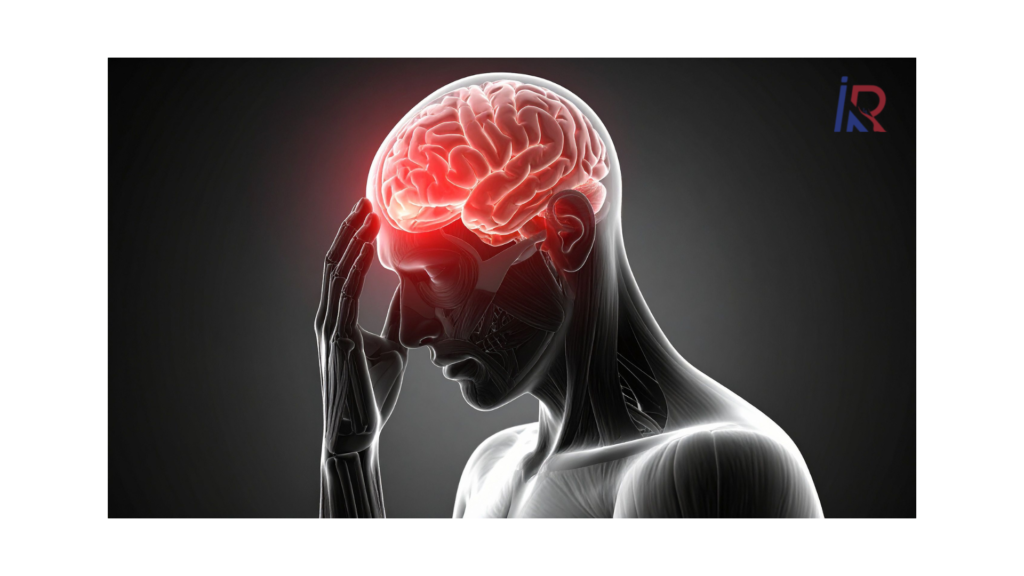
A brain bleed, medically known as an intracranial hemorrhage, occurs when a blood vessel in or around the brain ruptures and blood leaks into or around brain tissue. This is dangerous for two reasons: the leaking blood itself damages surrounding brain cells, and the accumulating blood raises pressure inside the closed space of the skull, which can compress and injure the rest of the brain if not relieved quickly.
Brain bleeds are a form of hemorrhagic stroke (as opposed to the more common ischemic stroke, which is caused by a blocked artery rather than a bleed). Depending on exactly where the bleeding occurs, doctors classify brain bleeds into four main types.
The 4 Types of Brain Bleeds You Should Know About
1. Subarachnoid Hemorrhage (SAH) — The Classic “Worst Headache” Bleed
This is the type of brain bleed most strongly linked to the thunderclap “worst headache of my life” presentation. SAH is bleeding into the subarachnoid space — the fluid-filled area between the brain and the thin membranes covering it.
The leading cause: Approximately 80% of non-traumatic SAH cases are caused by a ruptured brain (intracranial) aneurysm — a weak, bulging spot in an artery wall that gives way under pressure. Head injury is another important cause of SAH generally.
Typical symptoms: Sudden thunderclap headache, neck stiffness, vomiting, sensitivity to light, and often a brief loss of consciousness at the onset.
2. Intracerebral Hemorrhage (ICH) — Bleeding Within the Brain Tissue
ICH is bleeding directly into the brain tissue itself and is the most common type of bleeding stroke. It accounts for roughly 13-15% of all strokes, and unfortunately, nearly half of those affected do not survive, with many survivors facing long-term disability — which is exactly why fast recognition and treatment matter so much.
Common cause: Long-standing, poorly controlled high blood pressure is the single biggest risk factor, though abnormal blood vessels, blood-thinning medications, and (in older adults) a condition called cerebral amyloid angiopathy also contribute.
Typical symptoms: Sudden headache, weakness or numbness on one side of the body, vomiting, seizures, confusion, and a declining level of consciousness.
3. Subdural Hematoma — Bleeding Between the Brain’s Coverings
A subdural hematoma occurs when veins bridging the brain surface and its outer covering (the dura) tear, usually after a head injury — even a relatively minor one.
- Acute subdural hematoma develops rapidly after significant head trauma and is a surgical emergency.
- Chronic subdural hematoma develops slowly over days to weeks, often in older adults or those on blood thinners, sometimes after a fall so minor the patient barely remembers it. It typically causes a persistent, daily headache that doesn’t resolve, along with gradually worsening balance problems, confusion, or personality changes — symptoms that are easy to mistake for “just getting older.”
Also Read: What Is a Brain Aneurysm? Signs You Should Never Ignore
4. Epidural Hematoma — Bleeding Between the Skull and Brain Covering
Epidural hematomas usually result from head trauma that tears an artery (often the middle meningeal artery) just beneath the skull. A classic — though not universal — pattern is a brief “lucid interval,” where the patient seems fine or only mildly dazed immediately after injury, followed by rapid deterioration as the bleed expands. This is a neurosurgical emergency requiring immediate attention.
Brain Aneurysms: The Silent Threat Behind Many Brain Bleeds
Because ruptured aneurysms cause the majority of non-traumatic subarachnoid hemorrhages, it’s worth understanding them specifically.
A brain (cerebral) aneurysm is a weak, bulging area in the wall of an artery inside the brain, similar to a thin spot on an over-inflated balloon. Most aneurysms cause no symptoms at all and are only discovered incidentally on a scan done for another reason, or after they rupture.
Risk factors for aneurysm formation and rupture include:
- High blood pressure (hypertension)
- Smoking
- Family history of brain aneurysms
- Certain genetic and connective tissue conditions
- Age (risk rises with age) and female gender (women are affected somewhat more often than men)
- Heavy alcohol use and stimulant drug use

The “Sentinel Headache” — A Warning Most People Miss
In some cases, a small amount of blood leaks from an aneurysm days or even weeks before a major rupture, causing a milder but still unusual headache known as a sentinel headache. It often resolves on its own, which is exactly what makes it dangerous — patients dismiss it as a passing migraine, unaware that it may be an early warning of a much larger rupture to come. Any new, unusual, severe headache — even one that seems to improve — deserves prompt medical evaluation.
Warning Signs and Symptoms of a Brain Bleed
Along with the hallmark thunderclap headache, watch for:
- Sudden, severe headache described as “the worst of my life”
- Nausea and vomiting, especially with a headache that came on suddenly
- Stiff neck
- Sudden vision changes — blurred, double vision, or drooping eyelid
- Weakness or numbness on one side of the face, arm, or leg
- Slurred speech or difficulty finding words
- Confusion, disorientation, or unusual drowsiness
- Sudden loss of balance or coordination
- Seizures
- Loss of consciousness, even briefly
- For chronic subdural hematoma specifically: a persistent daily headache with gradually worsening gait or memory problems, often in an older adult
When to Seek Emergency Care — Red Flags You Should Never Ignore
A simple way to remember the emergency warning signs of a brain bleed or stroke is the BE-FAST checklist:
- B — Balance: Sudden loss of balance or coordination
- E — Eyes: Sudden vision changes in one or both eyes
- F — Face: Facial drooping on one side
- A — Arms: Weakness or numbness in one arm
- S — Speech: Slurred or strange speech
- T — Time: Time to call for emergency help immediately
If you notice any single one of these signs — with or without a headache — treat it as a medical emergency. For brain bleeds specifically, a sudden thunderclap headache on its own, even without other symptoms, is reason enough to seek emergency evaluation the same hour, not the same week.
How Is a Brain Bleed Diagnosed?
Speed matters enormously in diagnosing a brain bleed, and hospitals follow a rapid, structured process:
- Non-contrast CT scan of the brain — usually the first test, able to detect most brain bleeds within minutes of the patient arriving.
- CT Angiography (CTA) — maps the brain’s blood vessels to look for an aneurysm, AVM, or other vascular abnormality causing the bleed.
- Lumbar puncture — occasionally used if a subarachnoid hemorrhage is strongly suspected but the CT scan appears normal (this can happen in a small percentage of cases, especially if the scan is delayed).
- Digital Subtraction Angiogram (DSA) / Cerebral Angiogram — the gold-standard, most detailed test for confirming and precisely mapping an aneurysm, AVM, or fistula, typically performed by an interventional neuroradiologist immediately before treatment.
Also Read: Internal Carotid Artery Aneurysm Coiling: Treatment, Procedure & Recovery
Modern, Minimally Invasive Treatment for Brain Bleeds and Aneurysms
This is where interventional radiology has transformed outcomes for patients with brain bleeds over the past two decades. Instead of always requiring open brain surgery (craniotomy), many bleeding aneurysms, AVMs, and related conditions can now be treated from inside the blood vessel — through a small puncture in the wrist or groin — using real-time imaging guidance.
Aneurysm Coiling
A thin catheter is guided through the blood vessels to the aneurysm, where soft platinum coils are deployed to fill the aneurysm sac, sealing it off from normal blood flow and preventing further bleeding or re-rupture — all without opening the skull.
Flow Diverter Placement
For certain complex or wide-necked aneurysms not suitable for coiling, a specialised mesh stent (flow diverter) is placed across the aneurysm’s neck, redirecting blood flow away from the weak sac and allowing it to heal over time.
Middle Meningeal Artery (MMA) Embolization
An increasingly important, minimally invasive technique specifically for chronic subdural hematoma — the artery feeding the membrane that keeps the hematoma “alive” and prone to recurrence is blocked from the inside, significantly reducing the chance the bleed will regrow or need repeat open drainage surgery.
AVM and Dural Arteriovenous Fistula (AVF) Embolization
Abnormal tangles of blood vessels (AVMs) or abnormal connections between arteries and veins (dural AVFs) — both potential causes of brain bleeds — can often be closed off from within using embolic agents delivered through a catheter.
When Open Neurosurgery Is Still Needed
Endovascular treatment is not right for every case. Some ruptured aneurysms, large hematomas causing significant pressure on the brain, or certain AVMs are better managed with traditional open neurosurgical clipping or evacuation — sometimes even in combination with an endovascular procedure. The right choice depends entirely on the size, location, and shape of the problem, which is why accurate imaging and an experienced specialist’s judgement are so important.
Meet Dr. Alok Kumar Udiya — Interventional Radiologist Indore, Trained in Neurovascular Emergency Care
If you or a family member has been diagnosed with a brain aneurysm, AVM, or brain bleed, the specialist you choose matters. Dr. Alok Kumar Udiya is one of the few Interventional Radiologists in central India with dedicated, internationally accredited training specifically in neurovascular and stroke intervention.
Education and Training
- MBBS — M.G.M. Medical College, Indore
- MD (Radiodiagnosis) — Lady Hardinge Medical College, Delhi University
- PDCC (Neuro-Intervention) — Sanjay Gandhi Post Graduate Institute of Medical Sciences (SGPGIMS), Lucknow
- PDCC (Hepatobiliary Interventional Radiology) — Institute of Liver and Biliary Sciences (ILBS), New Delhi
- FINR — Fellowship in Interventional Neuroradiology, University of Zurich, Switzerland, training directly under Professor Anton Valavanis specifically in the endovascular management of stroke and brain aneurysms
- EBIR — European Board of Interventional Radiology certified

Why This Training Matters
A six-month, hands-on fellowship focused specifically on neuro-interventional stroke and aneurysm care, completed at one of Europe’s leading centres, is not common among specialists practising in central India. It means Dr. Udiya’s approach to brain bleeds and aneurysms is grounded in advanced international protocols, brought directly to patients in Indore.
Professional Memberships and Recognition
Life member of the Indian Radiological and Imaging Association (IRIA) and the Indian Society of Vascular and Interventional Radiology (ISVIR), corresponding member of the European Society of Radiology (ESR), with peer-reviewed publications on aneurysm coiling techniques, cerebral aneurysm complications, and related neurovascular topics in journals including Neurology India, World Neurosurgery, and the Asian Journal of Neurosurgery.
Areas of Neurovascular Expertise
- Cerebral (brain) aneurysm coiling and flow-diverter placement
- Brain AVM embolization
- Middle meningeal artery embolization for chronic subdural hematoma
- Dural AVF and spinal AVM embolization
- Mechanical thrombectomy for acute ischemic stroke
- Cerebral angiogram (DSA) diagnostics
- Carotid-cavernous fistula (CCF) embolization
- Carotid and intracranial (ICAD) stenting for stroke prevention
Learn more on the About Us page or explore his full range of Neuro Interventions.
Why Choose Intervention Radiology Indore at CARE CHL Hospital (LIG Square)?
For a condition as time-critical as a brain bleed, having advanced neurovascular care close to home — rather than needing to travel to Delhi, Mumbai, or Ahmedabad — can make a real difference.
Intervention Radiology Indore operates from CARE CHL Hospital, a NABH-accredited, 225-bed multi-specialty hospital in Indore serving patients since 2001, offering:
- A dedicated neuro-interventional suite with Digital Subtraction Angiography (DSA) imaging for precise aneurysm and AVM diagnosis
- Round-the-clock hospital infrastructure to support genuine neurovascular emergencies
- Advanced CT and MR imaging for rapid diagnosis
- A specialist trained specifically in Zurich under a globally recognised neuro-interventional expert
- Consultations available in Hindi and English
Clinic Locations, Timings & How to Book
CARE CHL Hospital (near LIG Square) 📍 AB Road, near L.I.G. Square, RSS Nagar, Indore, Madhya Pradesh – 452008 🕙 OPD consultation hours: 10:00 AM – 5:00 PM 🚨 For emergencies, go directly to the CARE CHL Hospital emergency department at any hour — do not wait for OPD timings.
Evening Clinic — Panama Tower 📍 403, Panama Tower, Geeta Bhawan Square, near Crown Palace, South Tukoganj, Indore, Madhya Pradesh – 452001 🕕 Consultation hours: 6:00 PM – 8:00 PM
📞 Call/WhatsApp: +91 99993 78980 ✉️ Email: dralokudiya@gmail.com 🌐 Website: interventionradiologyindore.com
The LIG Square location on AB Road is a well-known Indore landmark, making the hospital accessible from across the city as well as Dewas, Ujjain, and the wider Malwa region.
Risk Reduction: Can Brain Bleeds Be Prevented?
While not every brain bleed is preventable, several steps meaningfully lower the risk:
- Control blood pressure — the single most important modifiable risk factor for both intracerebral hemorrhage and aneurysm rupture
- Stop smoking — strongly linked to aneurysm formation and growth
- Avoid excessive alcohol and recreational stimulant use
- Discuss aneurysm screening with your doctor if you have a first-degree relative (parent or sibling) with a known brain aneurysm
- Use blood-thinning medication only as prescribed, with regular monitoring, especially in older adults at risk of falls
- Wear a helmet and seatbelt to reduce the risk of traumatic brain bleeds
Myths and Facts About Headaches and Brain Bleeds
Myth: If it were something serious, the headache would keep getting worse over hours. Fact: A dangerous thunderclap headache typically peaks within seconds to a minute — it doesn’t need to build gradually to be an emergency.
Myth: I have migraines all the time, so this is probably just another one. Fact: A headache that is clearly, distinctly worse or different from your usual migraines — especially one that peaks instantly — should never be assumed to be “just another migraine” without evaluation.
Myth: Brain aneurysms always cause symptoms before they rupture. Fact: Most brain aneurysms are silent and cause no symptoms until they rupture, which is why sudden severe headaches are taken so seriously.
Myth: Brain bleeds only happen to older people. Fact: While risk rises with age, aneurysm rupture and AVM-related bleeds can occur in younger adults, even those in their 20s and 30s.
Myth: All brain bleeds require open brain surgery. Fact: Many aneurysms, AVMs, and chronic subdural hematomas can now be treated with minimally invasive, catheter-based endovascular techniques.
Frequently Asked Questions
Is every severe headache a sign of a brain bleed?
No. The vast majority of headaches — including bad migraines — are not brain bleeds. However, a headache that is sudden, reaches maximum intensity within seconds to a minute, and feels distinctly different or worse than any headache you’ve had before should be evaluated urgently to rule out a brain bleed.
What does a brain bleed headache actually feel like?
Patients typically describe it as an explosive, “thunderclap” headache — the worst headache of their life — often with nausea, vomiting, neck stiffness, and sometimes a brief loss of consciousness.
Can a brain aneurysm be treated without open brain surgery?
Yes. Many brain aneurysms can be treated using minimally invasive endovascular techniques such as coiling or flow-diverter placement, performed by an Interventional Radiologist through a small puncture in the wrist or groin, without opening the skull.
How is a brain bleed diagnosed?
Diagnosis typically starts with an urgent CT scan of the brain, often followed by CT angiography or a cerebral angiogram (DSA) to identify the exact source of bleeding, such as an aneurysm or AVM.
Who is at risk of a brain aneurysm?
Risk factors include high blood pressure, smoking, a family history of brain aneurysms, certain genetic conditions, and increasing age, with women at somewhat higher risk than men.
How urgent is a “worst headache of my life”?
Extremely urgent. This should be treated as a medical emergency — seek immediate emergency care rather than waiting to see if it improves or scheduling a routine appointment.
How do I consult Dr. Alok Kumar Udiya for a diagnosed brain aneurysm or AVM?
For a genuine emergency, go directly to the nearest emergency room. For diagnosed conditions, follow-up care, or a second opinion, call or WhatsApp +91 99993 78980, or visit the Contact Us page on the Intervention Radiology Indore website.
Conclusion: Know the Signs, Act Fast, Get the Right Specialist
Most headaches are harmless. But the “worst headache of your life” — a true thunderclap headache — is one of medicine’s most important warning signs, and recognising it can save a life, sometimes your own.
If you or someone around you ever experiences a sudden, explosive headache unlike any before it, do not wait it out. Seek emergency care immediately. And when a brain bleed, aneurysm, or AVM is diagnosed, know that advanced, minimally invasive treatment — the same techniques used in leading centres worldwide — is available right here in Indore.
Dr. Alok Kumar Udiya, Interventional Radiologist at CARE CHL Hospital, LIG Square, brings Zurich-trained, internationally certified neurovascular expertise to patients across Indore and central India — because when it comes to brain bleeds, the right diagnosis and the right specialist, fast, make all the difference.
For Emergencies: Act Now. For Consultations: Book Below
🚨 Sudden, severe headache with any red-flag symptom? Go to the nearest emergency room immediately.
📍 CARE CHL Hospital, AB Road, near LIG Square, RSS Nagar, Indore, MP 452008 (OPD: 10 AM-5 PM) 📍 Evening Clinic, 403 Panama Tower, Geeta Bhawan Square, Indore, MP 452001 (6 PM-8 PM) 📞 +91 99993 78980 🌐 interventionradiologyindore.com 👨⚕️ Dr. Alok Kumar Udiya — Interventional Radiologist, Indore
For diagnosed aneurysms, AVMs, or follow-up neurovascular care, book your consultation with the team at Intervention Radiology Indore today.
Disclaimer: This blog is intended for educational purposes only and does not constitute medical advice, diagnosis, or emergency guidance. A sudden, severe, or unusual headache may be a medical emergency — call your local emergency number or go to the nearest emergency room immediately rather than relying on this article. Please consult a qualified medical professional for diagnosis and treatment of any health condition.