
A Brain Aneurysm is a serious medical condition that many people do not understand until it becomes an emergency. In simple words, a brain aneurysm is a weak or balloon-like bulge in a blood vessel of the brain. Many aneurysms do not cause symptoms in the beginning, but if they rupture, they can cause bleeding in the brain and become life-threatening.
This is why awareness is very important. A sudden severe headache, blurred vision, vomiting, neck stiffness, weakness, or loss of consciousness should never be ignored.
For patients in Indore and nearby areas, early diagnosis and advanced treatment planning are important. DR. ALOK KUMAR UDIYA, specialist in Intervention Radiology Indore, provides minimally invasive vascular and neurovascular care at Care CHL Indore.
What Is a Brain Aneurysm?
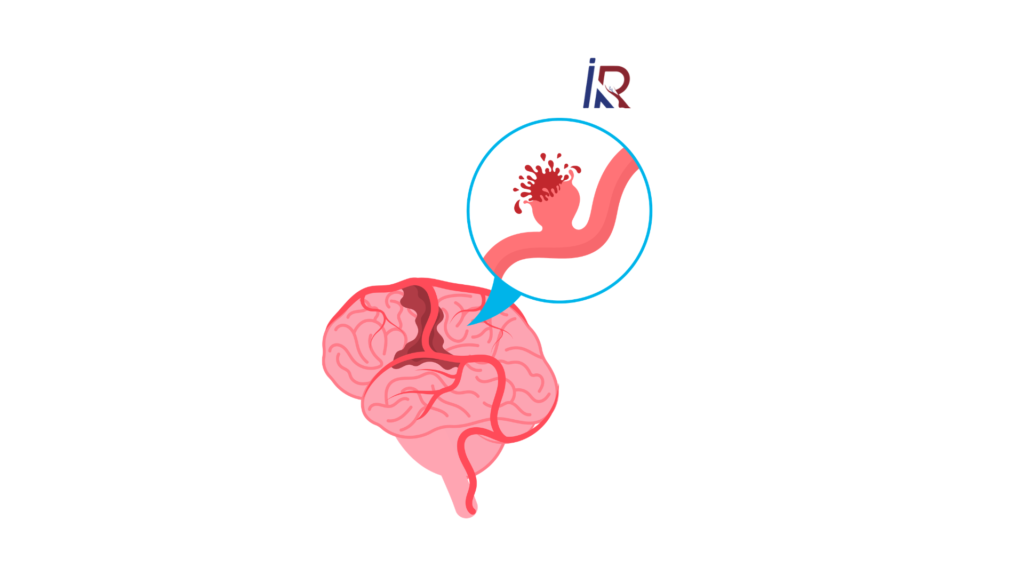
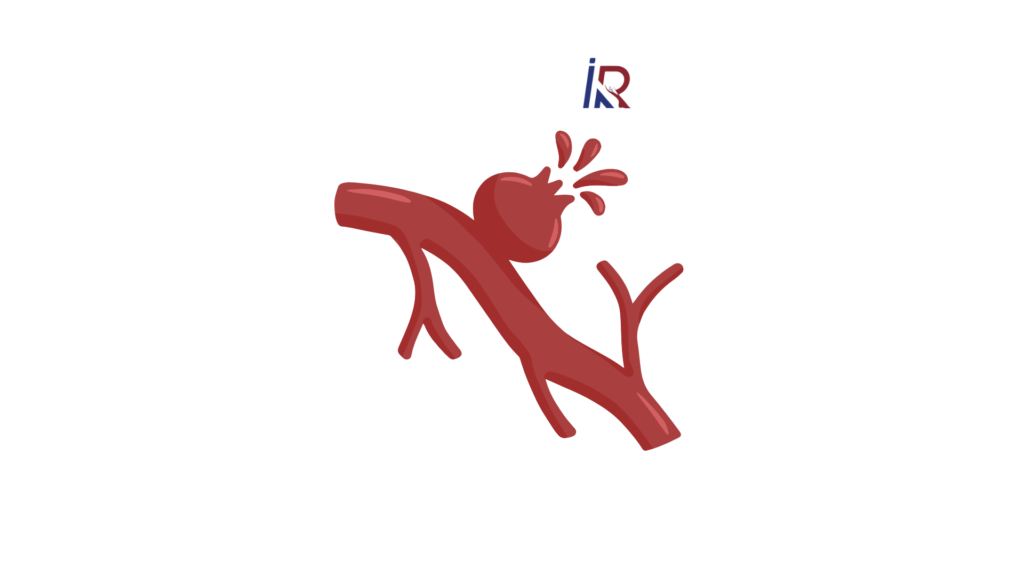
A Brain Aneurysm is a bulge in a weak area of a blood vessel in or around the brain. It can look like a small balloon filled with blood. Some aneurysms remain small and silent, while others may grow or rupture.
Medical sources such as Mayo Clinic and NINDS explain that small aneurysms may not show symptoms, but a larger aneurysm can press on nearby nerves or brain tissue. A ruptured aneurysm can cause bleeding around the brain and needs emergency treatment.
Also Read: Cerebral Coiling in Indore – Advanced Brain Aneurysm Treatment at CARE CHL Hospital
Why Is a Brain Aneurysm Dangerous?
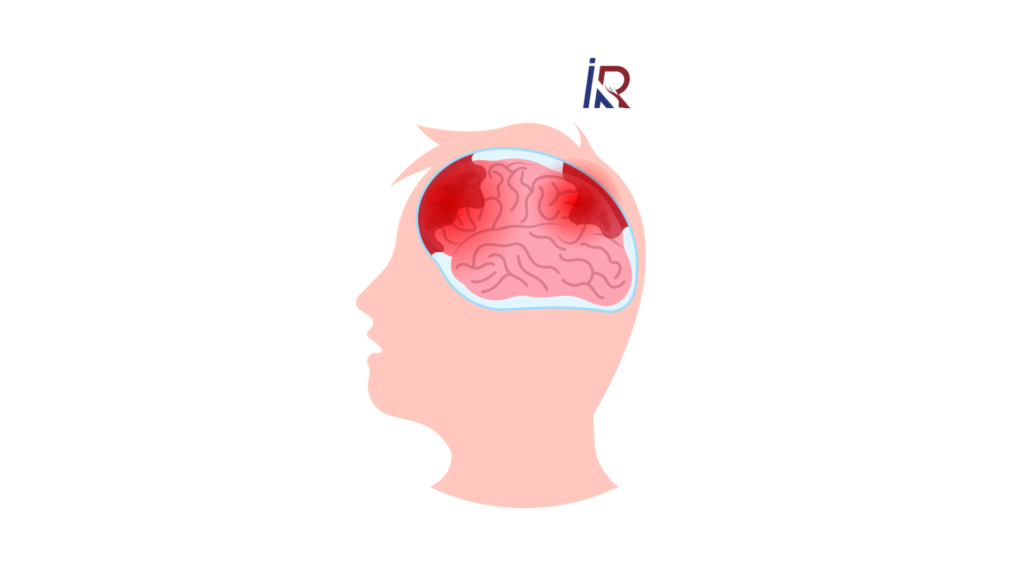
A brain aneurysm becomes dangerous when it leaks or ruptures. When this happens, bleeding can occur around the brain. This can lead to stroke, brain damage, coma, or even death if not treated quickly.
The first sign of rupture is often a sudden and extremely severe headache. Cleveland Clinic describes it as one of the worst headaches a person has ever experienced.
Common Symptoms of an Unruptured Brain Aneurysm
Many unruptured brain aneurysms do not cause symptoms. But if the aneurysm becomes large or presses on nearby nerves, symptoms may appear.
Possible symptoms include:
- Pain above or behind one eye
- Blurred or double vision
- Dilated pupil
- Numbness on one side of the face
- Drooping eyelid
- Headache
- Seizures
These signs should be checked by a doctor, especially if they are new, sudden, or getting worse.
Also Read: Aneurysm Coiling: A Modern Approach to Treating Brain Aneurysms
Warning Signs of a Ruptured Brain Aneurysm
A ruptured Brain Aneurysm is a medical emergency.
Never ignore these symptoms:
- Sudden severe headache
- Nausea or vomiting
- Stiff neck
- Blurred or double vision
- Sensitivity to light
- Seizure
- Confusion
- Fainting
- Loss of consciousness
- Weakness or numbness
- Difficulty speaking
The American Stroke Association lists sudden severe headache, vision changes, dilated pupils, and pain behind the eye as important warning signs.
When Should You Seek Emergency Help?
You should seek emergency medical help immediately if someone has:
- Sudden worst headache of life
- Headache with vomiting
- Headache with neck stiffness
- Headache with fainting
- Sudden vision change
- Sudden weakness
- Seizure
- Confusion or unconsciousness
Do not wait at home or depend only on painkillers in such cases.
Also Read: Aneurysm Coiling: A Breakthrough Treatment for Brain Aneurysms
Causes and Risk Factors
A brain aneurysm can happen due to weakness in the blood vessel wall. Some risk factors increase the chance of aneurysm formation or rupture.
Common risk factors include:
- High blood pressure
- Smoking
- Family history of brain aneurysm
- Age
- Certain genetic conditions
- Previous aneurysm
- Head injury
- Drug abuse
- Heavy alcohol use
- Kidney-related genetic disorders
High blood pressure and smoking are two major controllable risk factors. NHS advises people with brain aneurysm to keep blood pressure healthy and stop smoking to reduce risk.
How Is Brain Aneurysm Diagnosed?
Diagnosis usually depends on symptoms and imaging tests.
Common tests include:
CT Scan
A CT scan can help detect bleeding in the brain, especially in emergency cases.
MRI Brain
MRI gives detailed brain images and may help detect aneurysms in selected cases.
CT Angiography
CT angiography shows blood vessels and can help locate an aneurysm.
MR Angiography
This is another imaging test used to study blood vessels.
Digital Subtraction Angiography
This is a detailed blood vessel test and may be used when doctors need very accurate information for treatment planning.
Brain Aneurysm Treatment Options
Treatment depends on the aneurysm size, location, symptoms, rupture risk, age, medical history, and overall health.
Treatment options may include:
1. Observation and Monitoring
Small aneurysms with low rupture risk may be monitored with regular imaging and lifestyle control.
2. Endovascular Coiling
This is a minimally invasive procedure where tiny coils are placed inside the aneurysm to block blood flow into it.
3. Flow Diverter Stent
A flow diverter is placed inside the blood vessel to redirect blood flow away from the aneurysm. Mayo Clinic explains that flow diversion helps reduce blood flow into the aneurysm and supports healing of the vessel.
4. Surgical Clipping
In some cases, open surgery may be needed to place a clip at the base of the aneurysm.
Role of Intervention Radiology in Brain Aneurysm
Intervention Radiology Indore plays an important role in modern aneurysm care. Many brain aneurysms can now be treated through minimally invasive endovascular techniques.
Instead of a large open surgery, a thin catheter may be guided through blood vessels to reach the aneurysm. This approach can reduce recovery time and avoid major surgical cuts in selected cases.
Brain Aneurysm Treatment in Indore
If you are searching for its treatment in Indore, early consultation is very important. Patients from Indore, Ujjain, Dewas, Dhar, Ratlam, Khandwa, Mhow, and nearby areas can consult for evaluation and treatment planning.
At Care CHL Indore, DR. ALOK KUMAR UDIYA provides advanced minimally invasive care through Intervention Radiology Indore.
Why Choose DR. ALOK KUMAR UDIYA?
Patients looking for advanced vascular and neurovascular care in Indore can consult DR. ALOK KUMAR UDIYA for expert evaluation.
Reasons to choose him include:
- Experience in minimally invasive image-guided procedures
- Advanced interventional radiology approach
- Patient-focused treatment planning
- Care at Care CHL Indore
- Focus on early diagnosis and timely management
Difference Between Headache and Brain Aneurysm Headache
| Feature | Normal Headache | Brain Aneurysm Warning Headache |
|---|---|---|
| Onset | Gradual | Sudden |
| Intensity | Mild to moderate | Very severe |
| Associated symptoms | Usually limited | Vomiting, neck stiffness, vision change, fainting |
| Emergency risk | Usually low | High if rupture suspected |
| Action | Rest/doctor if repeated | Emergency care needed |
Can a Brain Aneurysm Be Prevented?
Not all aneurysms can be prevented, but risk can be reduced.
Helpful steps include:
- Control blood pressure
- Stop smoking
- Avoid excessive alcohol
- Manage diabetes and cholesterol
- Do regular health checkups
- Exercise as advised
- Treat severe headaches seriously
- Follow doctor’s advice if family history exists
Who Should Be More Careful?
You should be more alert if you have:
- Family history of brain aneurysm
- High blood pressure
- Smoking habit
- Previous aneurysm
- Sudden severe headaches
- Unexplained vision problems
- Neurological symptoms
- Kidney-related inherited disease
FAQs
1. What is a Brain Aneurysm?
A Brain Aneurysm is a bulge in a weak blood vessel in or around the brain.
2. Is a Brain Aneurysm always dangerous?
Not always. Some aneurysms stay small and do not rupture, but regular evaluation is important.
3. What is the most serious warning sign?
A sudden, severe headache that feels like the worst headache of life is a major warning sign.
4. Can a Brain Aneurysm be treated without open surgery?
Yes. Some aneurysms can be treated with minimally invasive endovascular techniques like coiling or flow diverter stenting.
5. Who treats Brain Aneurysm in Indore?
You can consult DR. ALOK KUMAR UDIYA, specialist in Intervention Radiology Indore, at Care CHL Indore.
6. Can an unruptured aneurysm cause symptoms?
Yes. Large aneurysms may cause eye pain, double vision, facial numbness, or drooping eyelid.
7. Is every headache a Brain Aneurysm?
No. Most headaches are not aneurysms. But sudden severe headache with vomiting, fainting, neck stiffness, or vision changes needs urgent care.
8. What tests detect Brain Aneurysm?
CT angiography, MR angiography, MRI, CT scan, and digital subtraction angiography may be used.
9. Can high blood pressure increase risk?
Yes. High blood pressure can increase stress on blood vessel walls and may increase rupture risk.
10. Where can I get Brain Aneurysm evaluation in Indore?
For brain aneurysm evaluation and minimally invasive treatment planning, visit Care CHL Indore and consult DR. ALOK KUMAR UDIYA.
Conclusion
A Brain Aneurysm can stay silent for years, but if it ruptures, it can become life-threatening within minutes. The most important warning sign is a sudden severe headache, especially when it comes with vomiting, neck stiffness, vision changes, weakness, seizure, or loss of consciousness.
Early diagnosis can save lives. For patients in Indore, DR. ALOK KUMAR UDIYA at Care CHL Indore provides advanced care through Intervention Radiology Indore for brain aneurysm evaluation and minimally invasive treatment options.
Never ignore sudden severe headache or neurological symptoms. Timely action can make all the difference.