
Back pain is one of the most common health complaints among older adults. While many people assume that sudden back pain is simply a part of aging or the result of muscle strain, this is not always the case. In some situations, Sudden Back Pain may indicate a Spine Fracture, a condition that requires prompt medical attention.
A spine fracture, also known as a vertebral compression fracture, occurs when one or more bones of the spine weaken and collapse. These fractures are especially common in older adults with osteoporosis, a condition that reduces bone strength and makes bones more prone to breaking. Even a minor fall, lifting a light object, coughing forcefully, or sometimes no obvious injury at all can lead to a fracture.
Ignoring persistent or severe Back Pain in Older Adults can result in chronic pain, reduced mobility, spinal deformity, and a significant decline in quality of life. Fortunately, advances in medical imaging and minimally invasive procedures have made it possible to diagnose and treat many spine fractures effectively.
In this article, you’ll learn about the causes, symptoms, diagnosis, treatment options, and preventive measures for spine fractures, along with the role of Interventional Radiology in modern spine care.
What Is a Spine Fracture?
A Spine Fracture occurs when one or more vertebrae (bones of the spine) crack, collapse, or break. The most common type in older adults is a vertebral compression fracture, where the front portion of the vertebra collapses due to weakened bone.
Unlike fractures caused by severe accidents in younger people, compression fractures in older adults often occur after minimal trauma or even during routine daily activities.
The condition is most commonly seen in the:
- Thoracic spine (middle back)
- Lumbar spine (lower back)
Without timely treatment, multiple fractures can lead to a stooped posture, chronic pain, and reduced lung function.
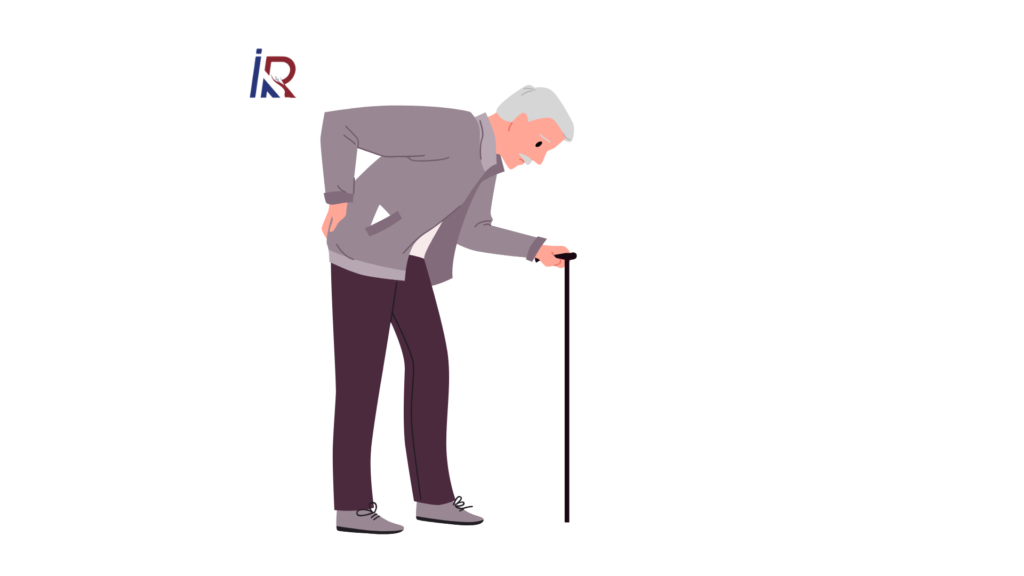
Why Are Older Adults More Prone to Spine Fractures?
As we age, our bones naturally lose density. This process becomes more pronounced in people with osteoporosis.
Common reasons include:
- Reduced bone mineral density
- Osteoporosis
- Vitamin D deficiency
- Hormonal changes
- Reduced physical activity
- Long-term steroid use
- Previous fractures
Because of weakened bones, even minor stress can result in a fracture.
Also Read: Best Thyroid Swelling Treatment in Indore: Safe, Painless & Non-Surgical Care
Causes of Sudden Back Pain in Older Adults
Although back pain has many possible causes, sudden severe pain should never be ignored.
Common causes include:
Osteoporosis
The leading cause of vertebral compression fractures.
Minor Falls
Even slipping from standing height may fracture weakened bones.
Lifting Heavy Objects
Simple lifting movements may trigger a fracture in fragile bones.
Sudden Twisting Movements
Sudden bending or twisting can increase stress on weakened vertebrae.
Cancer Affecting the Spine
Certain cancers can weaken spinal bones and increase fracture risk.
Long-Term Steroid Therapy
Extended use of corticosteroids weakens bones over time.
Symptoms of a Spine Fracture
Symptoms vary depending on the severity of the fracture.
Common symptoms include:
Sudden Severe Back Pain
Pain usually starts suddenly and becomes worse while standing or walking.
Pain That Improves While Lying Down
Many patients experience relief when resting flat.
Loss of Height
Repeated compression fractures may gradually reduce overall height.
Stooped Posture
Multiple fractures can lead to a rounded back (kyphosis).
Difficulty Walking
Pain often limits daily activities and mobility.
Tenderness Over the Spine
Touching the affected area may cause severe pain.
Reduced Flexibility
Patients often struggle to bend or twist comfortably.
Also Read: Varicose Veins Pain Relief | Complete Guide to Reduce Pain, Swelling & Discomfort
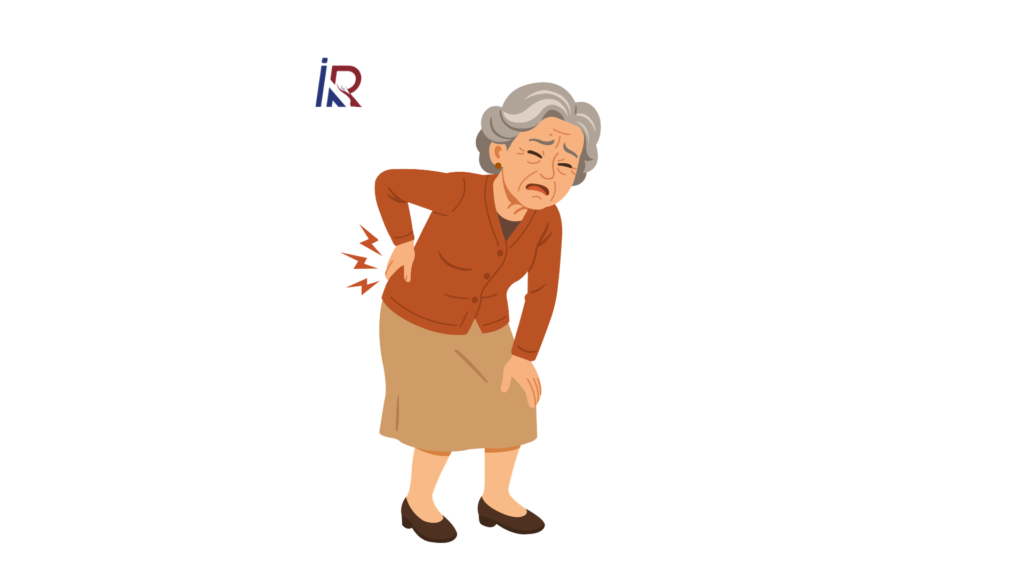
Warning Signs That Require Immediate Medical Attention
Seek medical care immediately if sudden back pain is accompanied by:
- Numbness in the legs
- Weakness
- Loss of bladder or bowel control
- Difficulty walking
- Fever with back pain
- History of cancer
- Recent significant fall
These symptoms may indicate a more serious spinal condition.
Who Is at Risk?
You are at increased risk if you:
- Are over 60 years of age
- Have osteoporosis
- Are a postmenopausal woman
- Smoke
- Consume excessive alcohol
- Have vitamin D deficiency
- Take long-term steroids
- Have previous fractures
- Have a family history of osteoporosis
How Is a Spine Fracture Diagnosed?
Early diagnosis is essential to prevent long-term complications.
Physical Examination
Doctors evaluate pain location, posture, and neurological function.
X-ray
Often the first imaging test used to identify vertebral compression fractures.
MRI
Helps determine whether the fracture is recent and evaluates surrounding soft tissues and nerves.
CT Scan
Provides detailed images of bone structure.
Bone Density Test (DEXA)
Used to diagnose osteoporosis and assess future fracture risk.
Treatment Options
Treatment depends on:
- Severity of the fracture
- Patient’s age
- Pain level
- Bone quality
- Overall health
Conservative Treatment
Many mild fractures improve with:
- Pain medications
- Activity modification
- Back brace
- Physical therapy
- Osteoporosis treatment
Patients are encouraged to remain active as tolerated to avoid muscle weakness.
Vertebroplasty
Vertebroplasty is a minimally invasive procedure in which special bone cement is injected into the fractured vertebra to stabilize it.
This procedure may help reduce pain in selected patients.
Kyphoplasty
Kyphoplasty is another minimally invasive procedure.
A small balloon is inserted into the fractured vertebra to create space before bone cement is injected.
Potential benefits include:
- Pain relief
- Improved stability
- Partial restoration of vertebral height in selected cases
- Better mobility
Treatment decisions are based on individual patient evaluation.
Also Read: How to Get Rid of Varicose Veins Without Surgery — A Complete Guide
The Role of Interventional Radiology
Modern Interventional Radiology offers advanced minimally invasive solutions for selected spine fractures.
Using image-guided techniques, Interventional Radiologists perform procedures such as vertebroplasty and kyphoplasty through very small skin punctures.
Potential advantages include:
- No large surgical incision
- Less blood loss
- Faster recovery
- Reduced hospital stay in appropriate patients
- Earlier return to daily activities
Not every patient requires these procedures, and careful evaluation is necessary before treatment.
Recovery After Treatment
Recovery depends on:
- Severity of the fracture
- Presence of osteoporosis
- Overall health
- Type of treatment
Patients are usually advised to:
- Continue osteoporosis treatment
- Perform prescribed exercises
- Maintain proper posture
- Attend follow-up appointments
- Avoid heavy lifting during recovery
Can Spine Fractures Be Prevented?
Although not all fractures are preventable, the risk can be significantly reduced by:
- Maintaining adequate calcium intake
- Ensuring sufficient vitamin D levels
- Regular weight-bearing exercise
- Preventing falls at home
- Treating osteoporosis early
- Avoiding smoking
- Limiting alcohol intake
- Having regular bone health assessments
Myths vs Facts
| Myth | Fact |
|---|---|
| Back pain is always part of aging. | Sudden back pain may indicate a spine fracture. |
| A minor fall cannot break the spine. | Osteoporosis can make even minor injuries cause fractures. |
| Bed rest is the best treatment. | Prolonged bed rest may worsen recovery in many cases. |
| Spine fractures always require open surgery. | Many patients benefit from conservative or minimally invasive treatment. |
| Once healed, no further treatment is needed. | Osteoporosis management is essential to prevent future fractures. |
Why Choose Dr. Alok Kumar Udiya?
If you or a family member experiences Sudden Back Pain or has been diagnosed with a Spine Fracture, timely consultation with an experienced specialist is important.
Dr. Alok Kumar Udiya, an experienced Interventional Radiologist at Care CHL Hospital Indore, specializes in advanced image-guided minimally invasive procedures for various vascular and musculoskeletal conditions. Depending on the patient’s condition, procedures such as vertebroplasty or kyphoplasty may be considered as part of a personalized treatment plan.
Every patient requires individual assessment to determine the most appropriate treatment approach.
Conclusion
Back Pain in Older Adults should never be dismissed as a normal part of aging, especially when the pain begins suddenly or follows even a minor injury. A Spine Fracture can significantly affect mobility, independence, and quality of life if left untreated.
Fortunately, modern diagnostic imaging, osteoporosis management, and minimally invasive procedures have greatly improved outcomes for many patients. Early diagnosis and timely treatment can relieve pain, restore mobility, and help prevent future fractures.
If you or someone you know experiences sudden severe back pain, consult a healthcare professional promptly for proper evaluation.
Frequently Asked Questions (FAQs)
1. What causes sudden back pain in older adults?
One common cause is a vertebral compression fracture due to osteoporosis.
2. Can a spine fracture occur without a major injury?
Yes. Weak bones may fracture during routine daily activities or even without obvious trauma.
3. How is a spine fracture diagnosed?
Doctors may use X-rays, MRI, CT scans, and bone density tests.
4. What is vertebroplasty?
It is a minimally invasive procedure where medical bone cement is injected into a fractured vertebra for stabilization.
5. What is kyphoplasty?
Kyphoplasty uses a balloon and bone cement to stabilize selected vertebral compression fractures.
6. Do all spine fractures require surgery?
No. Many fractures are managed with medications, bracing, physical therapy, or minimally invasive procedures.
7. Can osteoporosis be treated?
Yes. Medications, calcium, vitamin D, exercise, and lifestyle modifications help improve bone health.
8. When should I see a doctor for back pain?
Seek medical evaluation if the pain is sudden, severe, persistent, or associated with weakness, numbness, or loss of bladder or bowel control.
9. Who is most likely to develop a spine fracture?
Older adults, especially postmenopausal women and people with osteoporosis, are at the highest risk.
10. Which specialist should I consult?
Patients with suspected spine fractures may benefit from evaluation by an orthopedic specialist, spine specialist, or Interventional Radiologist, depending on the underlying condition and treatment requirements.