
Thyroid swelling is a common health problem that affects many people today. It may look small in the beginning, but if not treated on time, it can grow and cause discomfort, cosmetic concerns, and sometimes serious health issues. The good news is that modern medicine now offers safe, painless, and non-surgical treatments for thyroid swelling.
If you are searching for the best Thyroid Swelling Treatment in Indore, this guide will help you understand everything in simple language — from causes and symptoms to the most advanced treatment options available today.
Table of Contents
What is Thyroid Swelling?
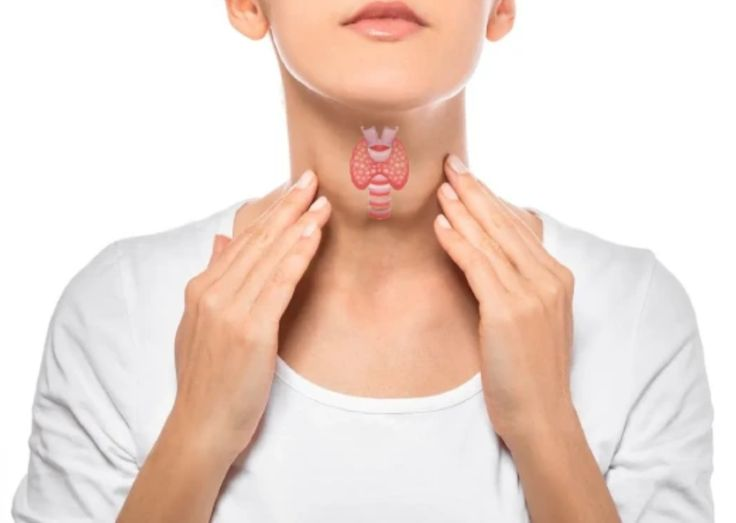
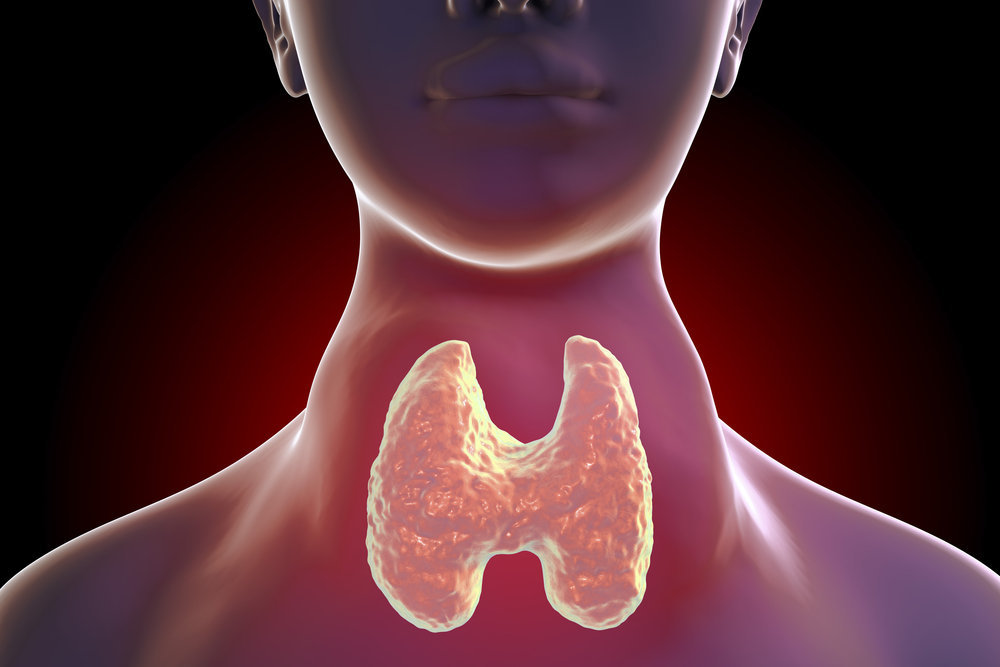
The thyroid is a small, butterfly-shaped gland located in the front of your neck. It controls important body functions like metabolism, energy levels, and hormone balance.
Thyroid swelling (also called goiter or thyroid nodules) happens when this gland becomes enlarged or develops lumps.
Common Causes of Thyroid Swelling
There are several reasons why thyroid swelling may occur:
- Iodine deficiency
- Hormonal imbalance
- Thyroid nodules (solid or fluid-filled lumps)
- Inflammation of the thyroid (thyroiditis)
- Autoimmune diseases like hypothyroidism or hyperthyroidism
- Genetic factors
In many cases, thyroid swelling is non-cancerous (benign), but it still needs proper evaluation and treatment.
Symptoms of Thyroid Swelling
Some people may not feel any symptoms in the early stages. However, as the swelling grows, you may notice:
- Visible lump or swelling in the neck
- Difficulty in swallowing
- Breathing problems (in severe cases)
- Hoarseness in voice
- Neck discomfort or tightness
- Hormonal symptoms (weight gain/loss, fatigue, anxiety)
If you experience any of these symptoms, it is important to consult an expert for Thyroid Swelling Treatment in Indore.
Read also : Radiofrequency Ablation for Thyroid in India: Safe, Non-Surgical Treatment Guide
When Should You See a Doctor?
You should seek medical help if:
- The swelling is increasing in size
- You feel pain or discomfort
- There are changes in your voice
- You have difficulty swallowing
- You notice sudden weight changes
Early diagnosis helps in choosing non-surgical and effective treatments.
Diagnosis of Thyroid Swelling
Before starting treatment, doctors perform some tests to understand the condition:
- Ultrasound scan – to check size and type of swelling
- Blood tests – to evaluate thyroid hormone levels
- FNAC (Fine Needle Aspiration Cytology) – to rule out cancer
- CT scan (if needed) – for detailed imaging
These tests help decide the best treatment plan.
Traditional Treatment Options
Earlier, thyroid swelling was mainly treated by:
1. Medicines
Used for hormonal imbalance but may not reduce the size of nodules.
2. Surgery
Removal of part or whole thyroid gland. However, surgery has some drawbacks:
- Scar on the neck
- Risk of complications
- Long recovery time
- Lifelong medication in some cases
Because of these limitations, many patients now prefer non-surgical treatment options.
Modern Non-Surgical Treatment: The Best Choice Today
Today, Interventional Radiology has changed the way thyroid swelling is treated. It offers minimally invasive procedures that are safe, effective, and require no major surgery.
What is Interventional Radiology?
Interventional Radiology is an advanced medical field that uses imaging techniques like ultrasound and CT scans to treat diseases without open surgery.
These procedures are:
- Painless or minimally painful
- Performed using small needles
- Quick and safe
- No stitches or scars
Radiofrequency Ablation (RFA): Advanced Non-Surgical Treatment
One of the best treatments available today is Radiofrequency Ablation (RFA).
How RFA Works:
- A thin needle is inserted into the thyroid nodule
- Heat energy is used to shrink the swelling
- Over time, the nodule reduces in size
Benefits of RFA:
- No surgery
- No scar
- Quick recovery (same day discharge)
- Minimal pain
- Preserves normal thyroid function
- Highly effective for benign nodules
This is considered one of the best Thyroid Swelling Treatment in Indore today.
Why Choose Non-Surgical Treatment?
Patients prefer non-surgical options because:
- No hospital stay required
- Faster recovery (1–2 days)
- Lower risk compared to surgery
- Cost-effective
- No visible scars
- Safe and reliable
Read also : Is Thyroid Embolization Painful?
Best Doctor for Thyroid Swelling Treatment in Indore
For advanced and safe treatment, choosing the right specialist is very important.
You can consult
Dr. Alok Kumar Udiya, an experienced Interventional Radiologist known for providing modern, non-surgical treatments.
About the Doctor:
- Highly trained in interventional procedures
- Expertise in thyroid treatments including RFA
- Focus on patient safety and comfort
- Uses advanced imaging-guided techniques
Best Hospital for Treatment
The treatment is available at
Care CHL Hospital, one of the leading healthcare centers in Indore.
Why Choose This Hospital:
- Advanced medical technology
- Experienced specialists
- Safe and hygienic environment
- Patient-focused care
Procedure Experience: What to Expect?
Many patients feel worried before treatment, but the process is simple:
Before Procedure:
- Basic tests and evaluation
- Doctor explains the procedure
During Procedure:
- Local anesthesia is given
- Needle-based treatment is performed
- Takes around 30–60 minutes
After Procedure:
- Short observation period
- Same-day discharge
- Resume normal activities quickly
Recovery and Results
- Most patients return to normal life within 1–2 days
- Swelling gradually reduces over weeks
- No major side effects
- Regular follow-up ensures best results
Is It Safe?
Yes, non-surgical treatments like RFA are very safe when performed by an expert Interventional Radiologist.
Complications are rare and usually minor, such as:
- Mild pain
- Temporary swelling
- Slight discomfort
Read also : Thyroid Nodules Treatment Without Surgery: Safe & Effective Options
Cost of Thyroid Swelling Treatment in Indore
The cost depends on:
- Size of swelling
- Type of treatment
- Hospital facilities
However, non-surgical treatments are often more affordable than surgery in the long run due to:
- No hospital stay
- Faster recovery
- Less medication
Who is Suitable for Non-Surgical Treatment?
You are a good candidate if:
- You have benign thyroid nodules
- You want to avoid surgery
- You have cosmetic concerns
- You prefer quick recovery
Your doctor will guide you after proper diagnosis.
Lifestyle Tips for Thyroid Health
To maintain a healthy thyroid:
- Eat iodine-rich foods (salt, dairy, seafood)
- Maintain a balanced diet
- Exercise regularly
- Manage stress
- Get regular health checkups
Why Early Treatment is Important
Ignoring thyroid swelling can lead to:
- Increase in size
- Breathing or swallowing problems
- Hormonal imbalance
- Rare risk of cancer
Early treatment ensures better results and fewer complications.
Conclusion
Thyroid swelling is a manageable condition if treated at the right time. With the advancement of Interventional Radiology, patients now have access to safe, painless, and non-surgical treatments that offer excellent results without the risks of surgery.
If you are looking for the best Thyroid Swelling Treatment in Indore, consulting an expert like
Dr. Alok Kumar Udiya at
Care CHL Hospital can help you get the most advanced care.
Don’t ignore the symptoms. Early diagnosis and modern treatment can help you live a healthy and comfortable life.
FAQs
1. What is the best treatment for thyroid swelling in Indore?
The best treatment depends on the condition, but today many patients prefer non-surgical options like Radiofrequency Ablation offered by an **Interventional Radiology specialist. These treatments are safe, effective, and require minimal recovery time.
2. Is thyroid swelling treatment painful?
No, most modern treatments are minimally painful. Procedures performed by experts like Dr. Alok Kumar Udiya are done under local anesthesia, ensuring patient comfort.
3. Can thyroid swelling be treated without surgery?
Yes, many cases can be treated without surgery using advanced techniques available at Care CHL Hospital. These methods are safe, scar-free, and allow quick recovery.
4. How long does it take to recover after treatment?
Recovery is usually very fast. Most patients return to their normal routine within 1–2 days after non-surgical treatment.
5. When should I consult a doctor for thyroid swelling?
You should consult a doctor if you notice a lump in your neck, difficulty swallowing, voice changes, or rapid growth in swelling. Early consultation ensures better and safer treatment outcomes.