
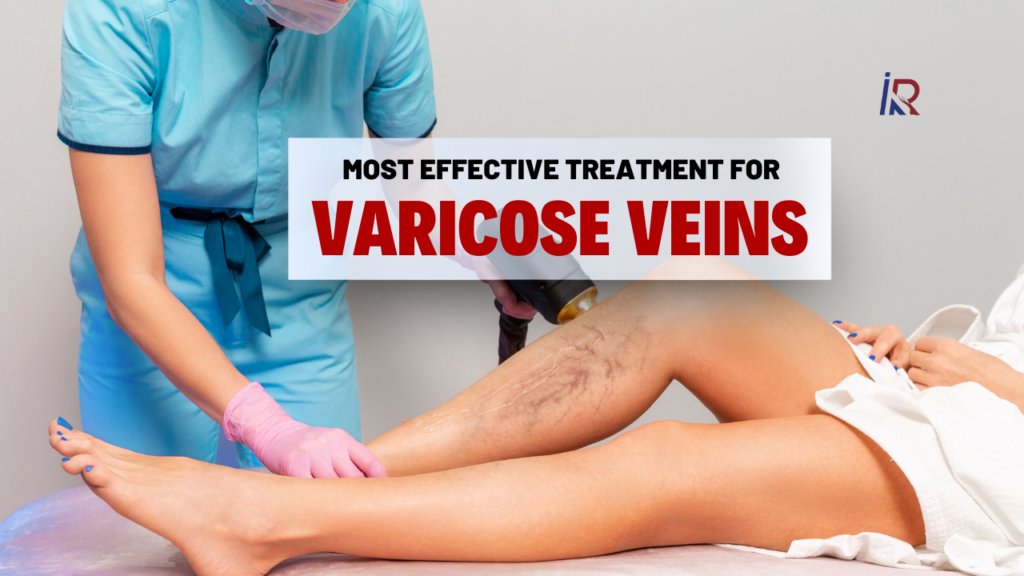
The Most Effective Treatment for Varicose Veins: A Comprehensive Guide
This guide will explore the most effective treatments for varicose veins, providing insights to help you make informed decisions.
This guide will explore the most effective treatments for varicose veins, providing insights to help you make informed decisions.

For those struggling with varicose veins, finding the latest and most effective treatments is crucial.

Recognizing the primary PAD symptoms in legs is key to seeking timely treatment, preventing further complications, and preserving mobility.

Here, we’ll examine the factors influencing recurrence risks and why choosing the best treatment for an aneurysm is crucial to minimizing these risks.

An aortic aneurysm is a bulge or swelling in the aorta, the body’s largest artery that carries blood from the heart to the rest of the body.

A specialized brain aneurysm doctor in Indore, like Dr. Alok Udiya, has the knowledge, experience, and access to advanced diagnostic tools required to manage aneurysms effectively.

Dr. Alok Udiya is recognized for his extensive experience and advanced approach to treating neurological disorders in Indore.

This blog will explore gangrene treatment, highlighting both cutting-edge medical approaches and natural remedies that have stood the test of time.

In this blog, we will explore how Peripheral Artery Disease (PAD) affects your health and provide actionable strategies to help you combat this condition.

Dr. Alok Udiya is a highly esteemed interventional radiologist who has earned a stellar reputation in the field of medical imaging and minimally invasive procedures.