
A Blocked Neck Artery is one of the most important yet often overlooked causes of stroke. Many people associate stroke with old age or high blood pressure, but few realize that narrowing of the arteries in the neck can silently develop over several years without causing noticeable symptoms. In many cases, the first sign of a blocked neck artery is a transient ischemic attack (TIA), commonly called a mini-stroke, or a full-blown stroke.
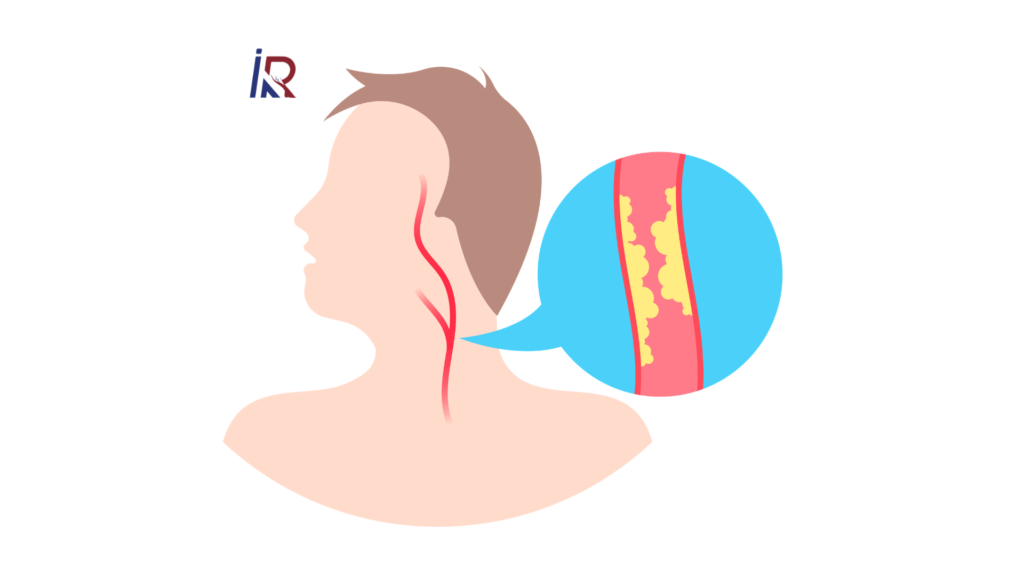
The neck contains two major blood vessels called the carotid arteries, which supply oxygen-rich blood to the brain. When these arteries become narrowed due to plaque buildup, the brain may not receive enough blood. More importantly, pieces of plaque or blood clots can travel to the brain and block smaller arteries, causing an ischemic stroke.
The good news is that carotid artery disease is often preventable, detectable, and treatable. With early diagnosis and modern treatment options, including minimally invasive procedures performed by Interventional Radiologists, the risk of stroke can be significantly reduced.
In this article, we’ll explain everything you need to know about a Blocked Neck Artery, including its causes, symptoms, diagnosis, treatment options, and prevention.
What Is a Blocked Neck Artery?
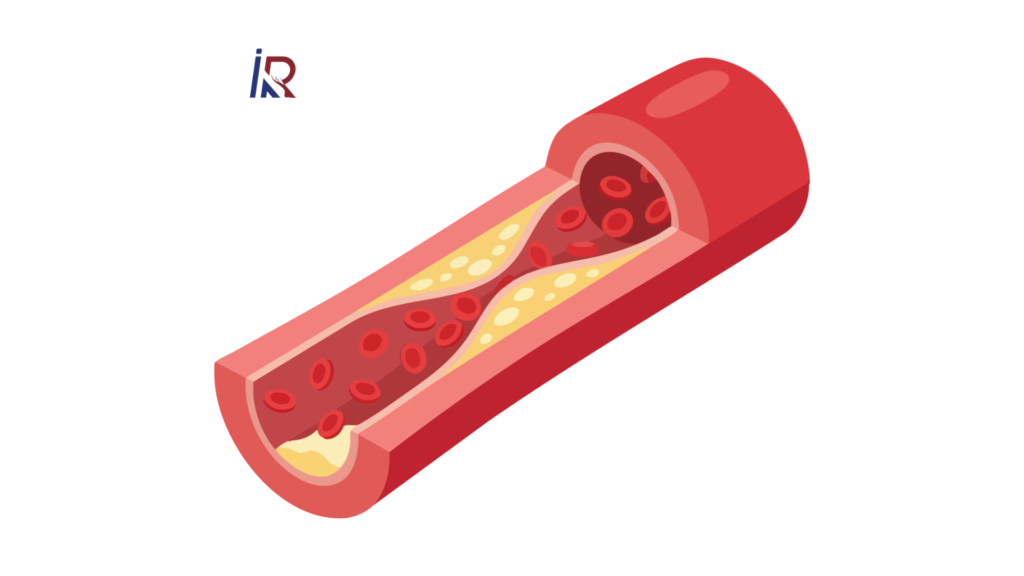
A Blocked Neck Artery, medically known as Carotid Artery Disease, occurs when one or both carotid arteries become narrowed due to the buildup of fatty deposits called plaque.
Normally, these arteries allow blood to flow freely from the heart to the brain. However, over time, cholesterol, calcium, fat, and inflammatory cells accumulate inside the artery walls, making them narrower. This condition is called atherosclerosis.
When the narrowing becomes severe, blood flow to the brain decreases, increasing the risk of stroke.
Understanding the Carotid Arteries
Every person has two carotid arteries:
- Right carotid artery
- Left carotid artery
Each artery divides into:
- Internal carotid artery – supplies blood to the brain
- External carotid artery – supplies blood to the face and scalp
Since the brain depends on a continuous supply of oxygen-rich blood, even a temporary interruption can damage brain cells within minutes.
Also Read: Advanced Non-Surgical Brain Stroke Treatment in Indore: Safe & Effective Care
What Causes a Blocked Neck Artery?
Several medical conditions and lifestyle habits contribute to plaque formation inside the carotid arteries.
1. High Cholesterol
Excess LDL (“bad”) cholesterol gradually deposits inside artery walls and forms plaque.
2. High Blood Pressure
Uncontrolled hypertension damages blood vessel walls, making plaque buildup more likely.
3. Diabetes
High blood sugar damages blood vessels and accelerates atherosclerosis.
4. Smoking
Smoking increases inflammation, damages arteries, and promotes clot formation.
5. Obesity
Excess body weight increases the risk of diabetes, hypertension, and high cholesterol.
6. Lack of Exercise
Physical inactivity contributes to poor cardiovascular health.
7. Increasing Age
The risk increases after the age of 55, although younger adults with multiple risk factors can also develop carotid artery disease.
8. Family History
A family history of stroke or heart disease increases the likelihood of developing blocked arteries.
Also Read: Is Thyroid Embolization Painful?
Why Is a Blocked Neck Artery Dangerous?
A blocked carotid artery can cause stroke in two major ways.
Reduced Blood Flow
As plaque narrows the artery, less oxygen-rich blood reaches the brain.
Blood Clot Formation
Sometimes, plaque ruptures and forms a clot. This clot may travel to smaller brain arteries, completely blocking blood flow and causing an ischemic stroke.
This is why carotid artery disease is considered one of the leading causes of preventable stroke.
Symptoms of a Blocked Neck Artery
One of the biggest challenges is that many people have no symptoms until the artery becomes severely narrowed.
When symptoms do occur, they should never be ignored.
Common symptoms include:
- Sudden weakness on one side of the body
- Facial drooping
- Difficulty speaking
- Slurred speech
- Temporary vision loss in one eye
- Blurred vision
- Dizziness
- Loss of balance
- Numbness in the face, arm, or leg
- Sudden confusion
Even if these symptoms disappear within a few minutes, immediate medical evaluation is essential.
Also Read: Cerebral Angiogram (DSA): A Complete Guide for Patients
What Is a Mini-Stroke (TIA)?
A Transient Ischemic Attack (TIA) is often called a mini-stroke because it temporarily blocks blood flow to the brain.
Symptoms are similar to a stroke but usually resolve within minutes or hours.
Although the symptoms disappear, a TIA is a warning sign that a major stroke may occur in the near future.
Anyone experiencing a TIA should seek emergency medical attention immediately.
Who Is at High Risk?
You may have a higher risk if you:
- Have diabetes
- Have high blood pressure
- Have high cholesterol
- Smoke
- Are overweight
- Have heart disease
- Have kidney disease
- Are above 60 years of age
- Have a family history of stroke
- Have experienced a previous TIA or stroke
How Is a Blocked Neck Artery Diagnosed?
Early diagnosis plays a crucial role in preventing stroke.
Carotid Doppler Ultrasound
This is usually the first investigation. It evaluates blood flow and estimates the degree of narrowing.
CT Angiography (CTA)
Provides highly detailed images of the carotid arteries using contrast dye.
MR Angiography (MRA)
A non-invasive imaging technique used to examine blood vessels.
Digital Subtraction Angiography (DSA)
DSA is considered the gold standard for evaluating carotid artery disease.
It provides highly detailed images of blood vessels and helps doctors determine the best treatment approach.
Treatment Options
Treatment depends on:
- Degree of blockage
- Symptoms
- Patient’s age
- Overall health
- Previous stroke history
Lifestyle Changes
Patients with mild disease are often advised to:
- Quit smoking
- Exercise regularly
- Follow a heart-healthy diet
- Maintain healthy body weight
- Control diabetes
- Control blood pressure
Medications
Doctors may prescribe:
- Blood thinners or antiplatelet medications
- Cholesterol-lowering medicines (statins)
- Blood pressure medications
- Diabetes medications
Medicines help reduce future stroke risk but may not remove existing plaque.
Carotid Endarterectomy
This is an open surgical procedure in which the surgeon removes plaque from the carotid artery.
It is commonly recommended for selected patients with severe narrowing.
Carotid Angioplasty and Stenting
Carotid angioplasty and stenting is a minimally invasive treatment option.
During the procedure:
- A thin catheter is inserted through the wrist or groin.
- The catheter is guided to the blocked artery using advanced imaging.
- A balloon is inflated to widen the artery.
- A stent is placed to keep the artery open and restore blood flow.
This procedure is particularly beneficial for selected patients who may not be suitable candidates for conventional surgery.
The Role of Interventional Radiology
Modern Interventional Radiology has transformed the treatment of vascular diseases.
Using advanced image-guided techniques, Interventional Radiologists perform minimally invasive procedures with remarkable precision.
Potential advantages include:
- Smaller incision
- Less blood loss
- Reduced pain
- Faster recovery
- Shorter hospital stay in appropriate cases
- High procedural accuracy
Treatment decisions are made after careful evaluation of each patient’s medical condition.
Recovery After Treatment
Recovery varies depending on the patient’s overall health and whether a stroke has already occurred.
Patients are usually advised to:
- Continue prescribed medications
- Attend follow-up appointments
- Control blood pressure
- Maintain healthy cholesterol levels
- Quit smoking permanently
- Exercise regularly
- Follow a balanced diet
- Monitor diabetes carefully
Regular follow-up imaging may also be recommended.
Can a Blocked Neck Artery Be Prevented?
Although age and genetics cannot be changed, many risk factors are controllable.
Preventive measures include:
- Eat a low-fat, heart-healthy diet
- Exercise at least 150 minutes per week
- Stop smoking
- Limit alcohol intake
- Maintain healthy body weight
- Control blood sugar
- Manage blood pressure
- Have regular health check-ups
These lifestyle changes can significantly reduce the risk of stroke.
Myths vs Facts
| Myth | Fact |
|---|---|
| Only elderly people develop carotid artery disease. | Younger adults with risk factors can also develop it. |
| No symptoms mean there is no disease. | Many patients remain symptom-free until a stroke occurs. |
| Surgery is always necessary. | Some patients are treated with medications or minimally invasive stenting. |
| Stroke cannot be prevented. | Early diagnosis and timely treatment greatly reduce stroke risk. |
| Smoking only affects the lungs. | Smoking significantly damages blood vessels throughout the body. |
Why Choose Dr. Alok Kumar Udiya?
If you or a loved one has been diagnosed with a Blocked Neck Artery, timely consultation with an experienced vascular specialist is essential.
Dr. Alok Kumar Udiya, an experienced Interventional Radiologist at Care CHL Hospital Indore, specializes in advanced image-guided minimally invasive procedures for vascular diseases. Depending on the patient’s clinical condition, imaging findings, and overall health, treatment planning may include carotid angioplasty and stenting as part of a multidisciplinary approach.
Every patient is unique, and personalized evaluation helps determine the safest and most effective treatment strategy.
Conclusion
A Blocked Neck Artery is a serious medical condition that should never be ignored. Since it often develops silently, many patients are unaware of the problem until they experience a mini-stroke or stroke. Fortunately, advances in diagnostic imaging and minimally invasive vascular treatments have made it possible to detect and manage carotid artery disease before life-threatening complications occur.
Recognizing warning signs, controlling risk factors, and seeking timely medical attention can significantly reduce the risk of stroke and improve long-term health outcomes. If you experience symptoms such as sudden weakness, speech difficulty, facial drooping, or temporary vision loss, seek immediate medical care without delay.
Frequently Asked Questions (FAQs)
1. What is a blocked neck artery?
A blocked neck artery is the narrowing of the carotid arteries due to plaque buildup, reducing blood flow to the brain.
2. Can a blocked neck artery cause a stroke?
Yes. It is one of the leading causes of ischemic stroke.
3. What are the warning signs?
Weakness, facial drooping, slurred speech, dizziness, vision loss, and numbness are common warning signs.
4. What is a TIA?
A TIA, or mini-stroke, is a temporary interruption of blood flow to the brain and is an important warning sign of a future stroke.
5. Which test is used to diagnose carotid artery disease?
Carotid Doppler Ultrasound, CT Angiography, MR Angiography, and Digital Subtraction Angiography (DSA) are commonly used.
6. Can a blocked neck artery be treated without surgery?
Yes. Depending on the severity, treatment may include medications or minimally invasive carotid angioplasty and stenting.
7. Is carotid angioplasty safe?
It is considered a safe and effective treatment for appropriately selected patients.
8. Can lifestyle changes reduce stroke risk?
Yes. Healthy eating, regular exercise, quitting smoking, and controlling diabetes and blood pressure greatly reduce the risk.
9. Who should be screened?
People with diabetes, hypertension, high cholesterol, smoking history, or previous TIA or stroke should discuss screening with their doctor.
10. Which specialist should I consult?
Patients with suspected or confirmed carotid artery disease should seek evaluation from a multidisciplinary team, which may include a neurologist, vascular surgeon, and an Interventional Radiologist.