
Varicose veins are a very common problem that affects millions of people across the world. Many people think it is just a cosmetic issue, but in reality, it can lead to serious health problems if ignored.
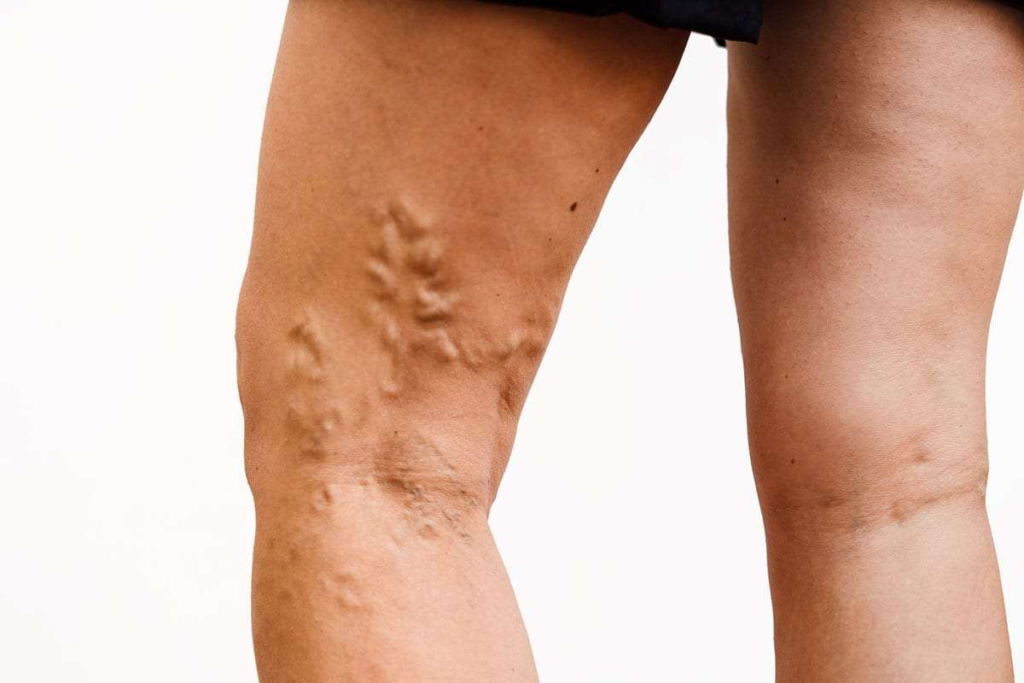
You may have seen twisted, bulging blue or purple veins on legs. These are called varicose veins. They can cause pain, swelling, heaviness, and discomfort in daily life.
Understanding varicose veins causes is the first and most important step in preventing and treating this condition.
In this blog, we will explain everything in simple English:
- What are varicose veins
- Main varicose veins causes
- Risk factors
- Symptoms
- Prevention tips
- Treatment options
We will also guide you on when to consult an expert like Dr. Alok Kumar Udiya, Interventional Radiologist, Care CHL Hospital Indore.
What Are Varicose Veins?
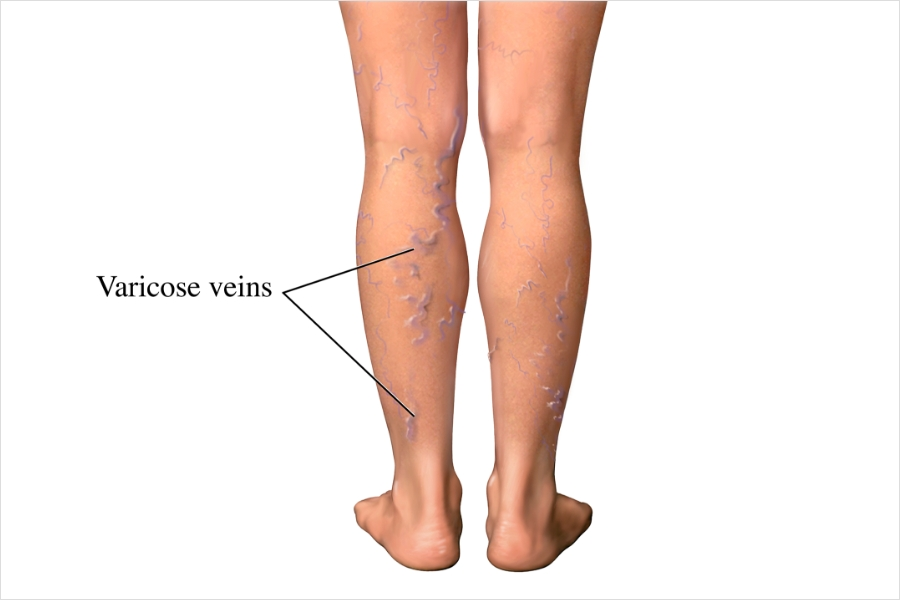
Varicose veins are enlarged and twisted veins that usually appear in the legs.
Normally, veins carry blood from the body back to the heart. They have small valves that ensure blood flows in one direction.
But when these valves become weak or damaged:
- Blood starts flowing backward
- Blood collects in veins
- Veins become swollen and visible
This condition is known as varicose veins.
Also Read: Is Goiter Dangerous? When Should You Start Treatment?
How Do Veins Work?
Think of veins like a pipeline system with gates (valves).
- Blood flows upward (against gravity)
- Valves open to allow flow
- Valves close to stop backflow
When valves fail:
- Blood pools in one place
- Pressure increases
- Veins enlarge
This is the root of most varicose veins causes
Also Read: Is Thyroid Embolization Painful?
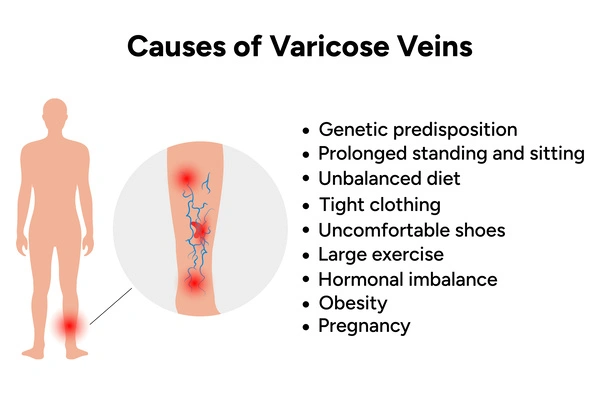
Main Varicose Veins Causes
Let’s understand the major reasons behind this condition.
1. Weak or Damaged Vein Valves
This is the most common cause.
When vein valves do not work properly:
- Blood flows backward
- It collects in veins
- Veins stretch and become visible
This is the primary factor in almost all varicose veins causes
2. Prolonged Standing or Sitting
People who stand or sit for long hours are at high risk.
Examples:
- Teachers
- Office workers
- Factory workers
- Shopkeepers
When you stay in one position:
- Blood circulation slows down
- Pressure increases in leg veins
- Veins become weak
3. Age Factor
As you grow older:
- Veins lose elasticity
- Valves weaken
This increases the chances of varicose veins.
Age is a natural contributor to varicose veins causes
4. Genetics (Family History)
If your parents or grandparents had varicose veins, your risk increases.
Genetics plays a strong role in varicose veins causes
5. Pregnancy
Pregnant women often develop varicose veins due to:
- Increased blood volume
- Hormonal changes
- Pressure from the growing uterus
The veins in the legs get compressed, causing swelling.
6. Obesity (Excess Weight)
Extra body weight puts pressure on veins.
This leads to:
- Increased blood pressure in veins
- Valve damage
- Poor circulation
Obesity is a major modern lifestyle-related varicose veins cause
7. Hormonal Changes
Hormones affect vein walls.
Situations like:
- Pregnancy
- Menopause
- Birth control pills
can weaken veins and cause varicose veins.
Also Read: Image-guided Biopsy: Accurate Diagnosis with Advanced Technology
8. Lack of Physical Activity
A sedentary lifestyle leads to poor blood circulation.
When you don’t move:
- Blood flow slows
- Veins weaken
- Pressure builds up
9. Tight Clothing
Wearing tight clothes around waist or legs can restrict blood flow.
This contributes to:
- Poor circulation
- Increased vein pressure
10. Previous Injury or Surgery
Damage to veins due to injury or surgery can lead to valve failure.
Risk Factors of Varicose Veins
Some people are more likely to develop varicose veins.
Common risk factors:
- Age above 40
- Female gender
- Pregnancy
- Obesity
- Standing jobs
- Family history
Symptoms of Varicose Veins
Understanding symptoms helps in early diagnosis.
Common symptoms:
- Bulging veins
- Blue or purple veins
- Leg pain
- Heaviness in legs
- Swelling
- Burning sensation
- Itching
Severe symptoms:
- Skin discoloration
- Ulcers
- Blood clots
Why You Should Not Ignore Varicose Veins
Many people ignore it in early stages.
But it can lead to:
- Chronic pain
- Skin damage
- Ulcers
- Deep vein thrombosis (DVT)
Early treatment is very important.
Diagnosis of Varicose Veins
Doctors use simple tests:
Doppler Ultrasound
- Checks blood flow
- Detects valve issues
Physical Examination
- Visual inspection
- Symptom analysis
Varicose Veins Causes in India (Modern Lifestyle Impact)
In India, cases are increasing due to:
- Desk jobs
- Long working hours
- Lack of exercise
- Poor diet
How to Prevent Varicose Veins
Prevention is always better than treatment.
1. Regular Exercise
- Walking
- Cycling
- Yoga
2. Avoid Long Sitting or Standing
- Take breaks
- Move every 30 minutes
3. Maintain Healthy Weight
4. Elevate Legs
- Keep legs raised while resting
5. Wear Compression Stockings
6. Stay Hydrated
Best Treatment Options for Varicose Veins
1. Lifestyle Changes
- Early-stage solution
2. Compression Therapy
3. Laser Treatment
Minimally invasive and highly effective.
4. Radiofrequency Ablation
5. Sclerotherapy
6. Surgery (Rare cases)
Modern Non-Surgical Treatment (Best Option)
Today, most cases are treated without surgery.
Benefits:
- No major cuts
- Less pain
- Quick recovery
This is where experts like Dr. Alok Kumar Udiya, Interventional Radiologist, Care CHL Hospital Indore play a key role.
Why Choose Expert Treatment?
Choosing the right doctor ensures:
- Accurate diagnosis
- Safe procedure
- Better results
Dr. Alok Kumar Udiya, Interventional Radiologist, Care CHL Hospital Indore specializes in advanced minimally invasive treatments.
When Should You See a Doctor?
Consult a doctor if:
- Pain increases
- Swelling worsens
- Skin changes appear
- Veins become more visible
Real Life Example
Many patients ignore early symptoms.
Later they face:
- Severe pain
- Walking difficulty
- Skin damage
Early consultation can prevent complications.
FAQs
1. What are the main varicose veins causes?
Weak valves, long standing, obesity, genetics, and pregnancy.
2. Are varicose veins dangerous?
They can become serious if untreated.
3. Can varicose veins be cured permanently?
Yes, with modern treatments like laser and ablation.
4. Is treatment painful?
No, most modern treatments are painless.
5. Who is at high risk?
People with sedentary lifestyle, obesity, or family history.
Conclusion
Understanding varicose veins causes is the first step toward prevention and treatment.
It is not just a cosmetic issue. It is a medical condition that needs attention.
If you notice symptoms early:
- You can prevent complications
- You can get treated easily
Modern treatments are safe, quick, and effective.
If you are facing symptoms, consult an expert like
Dr. Alok Kumar Udiya, Interventional Radiologist, Care CHL Hospital Indore