
Goiter is a common thyroid problem that many people ignore in the beginning. It usually appears as a swelling in the front of the neck. Some people feel no pain, while others may notice discomfort, difficulty in swallowing, or even breathing problems in severe cases.
One common question patients ask is: Is Goiter Dangerous?
The simple answer is – it depends.
Some goiters are small and harmless. Others can grow large, affect thyroid hormone levels, or hide serious problems like thyroid nodules or cancer. That is why understanding goiter early is very important.
In this detailed guide, we will explain everything in simple English:
- What is goiter?
- Why does it happen?
- Is goiter dangerous?
- When should you start treatment?
- What are the latest treatment options available?
- Where can you get advanced care in Indore?
This article also highlights expert care by DR. ALOK KUMAR UDIYA at Care CHL Hospital Indore.
What Is Goiter?
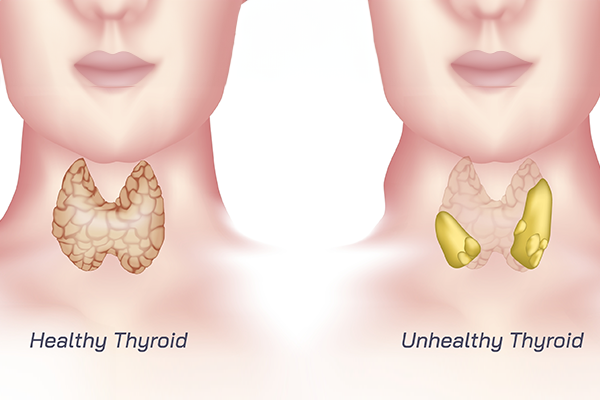
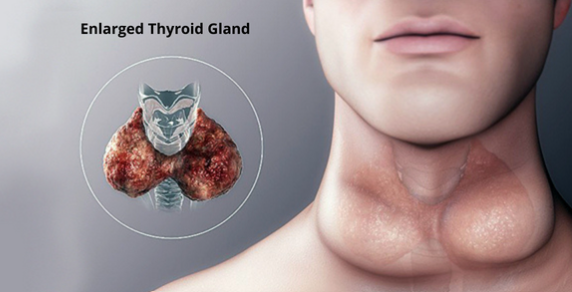
Goiter means enlargement of the thyroid gland.
The thyroid is a small butterfly-shaped gland located in the front of your neck. It produces hormones that control:
- Metabolism
- Energy levels
- Body temperature
- Heart rate
- Weight balance
When the thyroid gland becomes enlarged, it is called a goiter.
Important:
A goiter does not always mean cancer. It only means the thyroid is enlarged.
Also Read: Is Thyroid Embolization Painful?
Types of Goiter
There are different types of goiter. Understanding the type helps decide treatment.
1. Simple (Diffuse) Goiter
- Entire thyroid gland becomes enlarged.
- Often linked with iodine deficiency.
- Common in areas where iodine intake is low.
2. Multinodular Goiter
- Thyroid has multiple nodules.
- Can grow slowly over years.
- May cause pressure symptoms.
3. Toxic Goiter
- Produces excess thyroid hormones.
- Causes hyperthyroidism symptoms.
4. Non-Toxic Goiter
- Thyroid size increases but hormone levels remain normal.
5. Retro-sternal Goiter
- Extends into the chest.
- May cause breathing difficulty.
Also Read: Image-guided Biopsy: Accurate Diagnosis with Advanced Technology
Is Goiter Dangerous?
Now let’s answer the main question clearly.
Is Goiter Dangerous?
In many cases, goiter is not immediately dangerous.
But in some situations, it can become serious.
It becomes dangerous if:
- It grows very large
- It presses on windpipe
- It causes difficulty in breathing
- It causes swallowing problems
- It produces too much thyroid hormone
- It hides thyroid cancer
So, the real answer to “Is Goiter Dangerous?” is:
- Small goiters may not be dangerous.
- Large or untreated goiters can become serious.
That is why early evaluation is important.
Also Read: Interventional Radiology in Breast Cancer: A Modern, Minimally Invasive Approach to Treatment
What Causes Goiter?
Goiter can happen due to many reasons.
1. Iodine Deficiency
Iodine is essential for thyroid hormone production.
Lack of iodine is a major cause worldwide.
2. Hyperthyroidism
When thyroid produces too much hormone.
3. Hypothyroidism
Low thyroid hormone levels can also enlarge the gland.
4. Thyroid Nodules
Single or multiple nodules can cause swelling.
5. Autoimmune Diseases
- Graves’ disease
- Hashimoto’s thyroiditis
6. Pregnancy
Hormonal changes can temporarily enlarge thyroid.
7. Thyroid Cancer
Rare, but possible cause.
Symptoms of Goiter
Some people do not notice symptoms in early stages.
Common symptoms include:
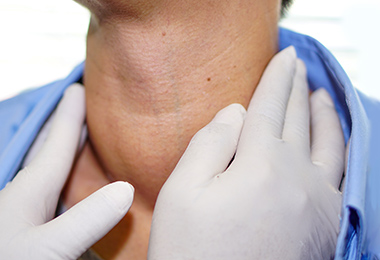
- Swelling in front of neck
- Tight feeling in throat
- Difficulty swallowing
- Breathing difficulty
- Hoarseness of voice
- Cough without infection
If hormone imbalance is present, symptoms may include:
Hyperthyroidism Symptoms
- Weight loss
- Fast heartbeat
- Anxiety
- Sweating
- Tremors
Hypothyroidism Symptoms
- Weight gain
- Fatigue
- Hair fall
- Dry skin
- Cold intolerance
When Should You Start Treatment?
This is very important.
You should start treatment if:
1. The Goiter Is Growing
If swelling is increasing in size, do not ignore it.
2. You Have Breathing or Swallowing Problems
Pressure symptoms require urgent medical evaluation.
3. Thyroid Hormones Are Abnormal
Blood tests show imbalance.
4. There Are Suspicious Nodules
Need further testing like biopsy.
5. Cosmetic Concern
If swelling affects confidence or appearance.
6. Pain or Sudden Enlargement
May indicate bleeding or infection inside nodule.
Early treatment prevents complications.
How Is Goiter Diagnosed?
Doctors usually recommend:
1. Physical Examination
Checking size and movement of swelling.
2. Thyroid Function Test (T3, T4, TSH)
To check hormone levels.
3. Ultrasound of Neck
To see nodules and structure.
4. FNAC (Biopsy)
To rule out cancer.
5. CT Scan (In Large Goiter)
If extending into chest.
Proper diagnosis helps answer clearly whether the goiter is dangerous or not.
Treatment Options for Goiter
Treatment depends on:
- Size
- Symptoms
- Hormone levels
- Cause
1. Observation
If small and no symptoms, regular monitoring is enough.
2. Medicines
For hormone imbalance:
- Anti-thyroid drugs
- Thyroid hormone replacement
3. Radioactive Iodine Therapy
Used in hyperthyroidism cases.
4. Surgery
If:
- Very large goiter
- Cancer suspicion
- Severe pressure symptoms
5. Minimally Invasive Treatments
Modern techniques like embolization or ablation can reduce goiter size without major surgery in selected cases.
Advanced care is available under experienced specialists like DR. ALOK KUMAR UDIYA at Care CHL Hospital Indore.
Complications of Untreated Goiter
Ignoring goiter can lead to:
- Severe breathing difficulty
- Tracheal compression
- Heart problems (due to hyperthyroidism)
- Permanent voice changes
- Thyroid storm (rare but life-threatening)
- Cancer progression (if malignant)
So again, Is Goiter Dangerous?
Yes, if left untreated in serious cases.
Can Goiter Turn Into Cancer?
Most goiters are non-cancerous.
But warning signs include:
- Hard swelling
- Rapid growth
- Persistent hoarseness
- Enlarged lymph nodes
- Family history of thyroid cancer
If these signs are present, immediate evaluation is needed.
Lifestyle Tips for Thyroid Health
While treatment depends on medical evaluation, some general tips help:
- Use iodized salt
- Avoid self-medication
- Get regular thyroid check-ups
- Maintain healthy weight
- Manage stress
- Do not ignore neck swelling
Goiter in Women
Women are more affected than men.
Reasons:
- Hormonal fluctuations
- Pregnancy
- Autoimmune disorders
Regular thyroid testing is especially important for women above 30 years.
Goiter in Children
Goiter in children should never be ignored.
It may indicate:
- Iodine deficiency
- Congenital thyroid disorders
- Autoimmune disease
Early diagnosis ensures normal growth and development.
Advanced Thyroid Care in Indore
Patients looking for expert thyroid evaluation and minimally invasive solutions can consult DR. ALOK KUMAR UDIYA at Care CHL Hospital Indore.
Care CHL Hospital provides:
- Advanced imaging
- Expert thyroid assessment
- Interventional radiology procedures
- Safe and modern treatment approaches
Early consultation ensures better outcomes.
FAQs
1. Is Goiter Dangerous if it is small?
Small goiters without symptoms are usually not dangerous but need monitoring.
2. Can Goiter Go Away on Its Own?
Some mild cases may stabilize, but most require medical supervision.
3. Is Surgery Always Needed?
No. Surgery is required only in specific cases.
4. Can Goiter Cause Breathing Problems?
Yes, if it compresses the windpipe.
5. Is Goiter Common in India?
Yes, especially in areas with iodine deficiency.
Final Conclusion
Let us clearly answer again:
Is Goiter Dangerous?
- Small goiters may not be dangerous.
- Large, untreated, or hormone-producing goiters can be serious.
- Early diagnosis prevents complications.
If you notice neck swelling, difficulty swallowing, or thyroid symptoms, do not delay evaluation.
Timely consultation with an experienced specialist like DR. ALOK KUMAR UDIYA at Care CHL Hospital Indore can help you understand your condition and choose the safest treatment option.
Your health should never wait.
If you have any thyroid symptoms, get tested today.
Early action can prevent major complications tomorrow.