
Male infertility and chronic testicular discomfort are more common than many people realize. One of the leading and treatable causes behind these problems is varicocele. With medical science advancing rapidly, patients today have more than one effective treatment option. The most discussed debate is Varicocele Embolization vs Surgery.
If you or someone in your family is exploring treatment options, this detailed 2026-ready guide will help you understand which treatment is better, safer, and more suitable, especially when expert care is available under Dr. ALOK KUMAR UDIYA at CARE CHL Indore.
What Is Varicocele?
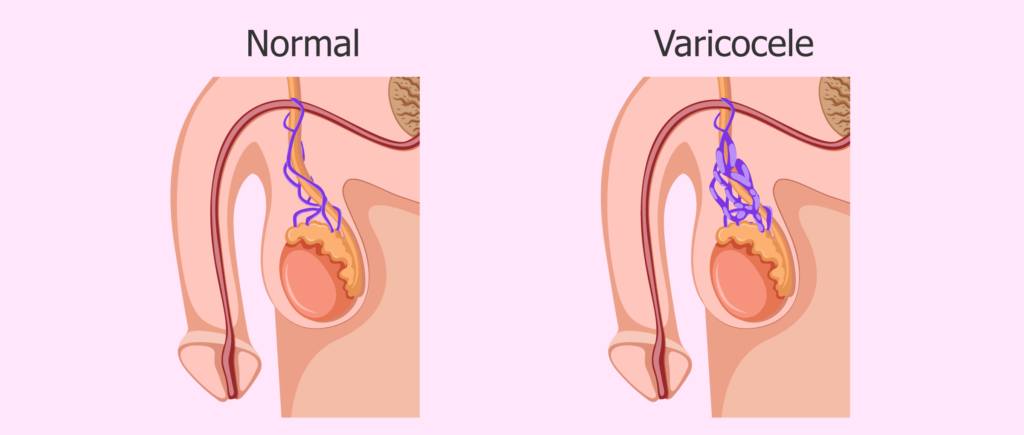
Varicocele is a condition where veins inside the scrotum become enlarged, similar to varicose veins seen in the legs. These dilated veins disturb normal blood flow, increase temperature around the testicles, and can negatively affect sperm count, sperm quality, and testosterone production.
Varicocele usually develops on the left side, but in some cases, it may affect both sides.
Also Read: Brain AVM Embolisation in Indore – Advanced Treatment at CARE CHL Hospital
Common Symptoms of Varicocele
Many men with varicocele may not notice symptoms initially. However, as the condition progresses, common signs include:
- Dull or aching pain in the scrotum
- Heaviness or discomfort, especially after standing
- Visible or palpable enlarged veins
- Decreased sperm count or infertility
- Testicular shrinkage in severe cases
When symptoms or fertility issues arise, medical treatment becomes necessary.
Also Read: Cerebral Coiling in Indore – Advanced Brain Aneurysm Treatment at CARE CHL Hospital
Why Treatment Is Important
Ignoring varicocele can lead to:
- Worsening infertility
- Progressive testicular damage
- Chronic pain and discomfort
- Reduced testosterone levels
This is why choosing the right treatment method—between embolization and surgery—is crucial.
Overview: Varicocele Embolization vs Surgery
Both treatments aim to block abnormal veins and redirect blood flow to healthy veins. However, the approach, recovery, risks, and comfort level are very different.
Let’s understand each option in detail.
Also Read: Cerebral Aneurysm Treatment in Indore – Advanced, Safe & Minimally Invasive Care
What Is Varicocele Surgery?
Varicocele surgery, also known as varicocelectomy, is a traditional surgical procedure performed by a urologist.
Types of Varicocele Surgery
- Open surgery
- Laparoscopic surgery
- Microsurgical varicocelectomy
How Surgery Works
The surgeon makes an incision in the groin or abdomen, identifies the affected veins, and ties or cuts them to stop abnormal blood flow.
Key Points of Surgery
- Requires spinal or general anesthesia
- Involves surgical incision
- Hospital stay may be required
- Recovery can take several weeks
What Is Varicocele Embolization?
Varicocele embolization is a minimally invasive, non-surgical procedure performed by an interventional radiologist.
Under expert hands like Dr. ALOK KUMAR UDIYA at CARE CHL Indore, this procedure offers a modern alternative to surgery.
How Embolization Works
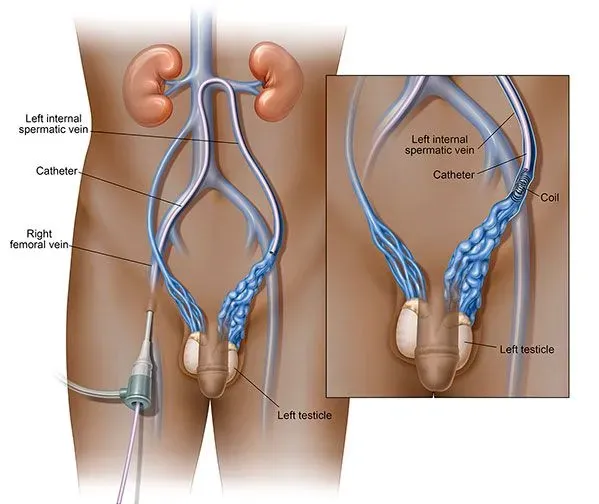
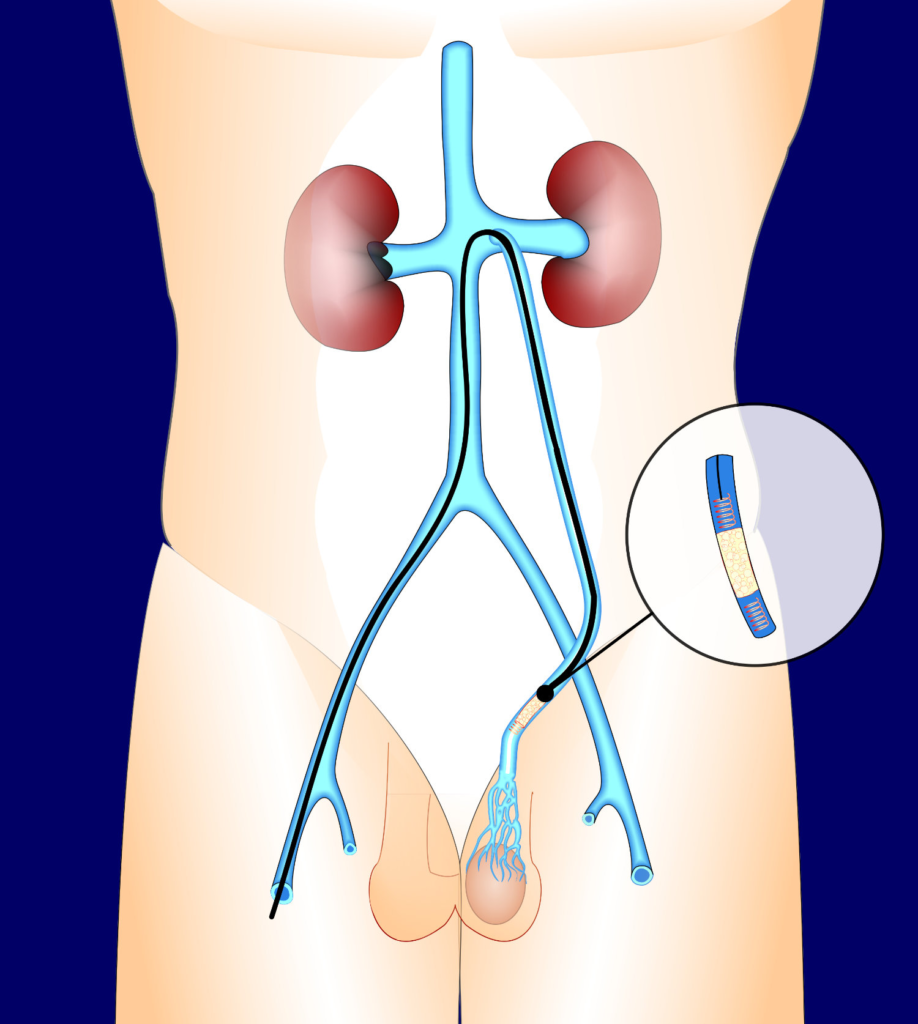
- A tiny catheter is inserted through a vein in the groin or neck
- The catheter is guided using imaging
- Special coils or medical glue are used to block the faulty veins
- Blood is automatically redirected to healthy veins
Key Advantages
- No cuts or stitches
- No general anesthesia
- Same-day discharge
- Faster recovery
Varicocele Embolization vs Surgery: Detailed Comparison
1. Procedure Invasiveness
- Surgery: Invasive, involves incision
- Embolization: Minimally invasive, needle puncture only
2. Anesthesia
- Surgery: General or spinal anesthesia
- Embolization: Local anesthesia
3. Pain & Discomfort
- Surgery: Moderate post-operative pain
- Embolization: Minimal discomfort
4. Hospital Stay
- Surgery: 1–3 days (sometimes longer)
- Embolization: Day-care procedure
5. Recovery Time
- Surgery: 2–4 weeks
- Embolization: 2–3 days
6. Risk of Complications
- Surgery: Infection, hydrocele, nerve injury
- Embolization: Very low complication rate
7. Recurrence Rate
- Surgery: Slightly higher in some cases
- Embolization: Low recurrence when done by an expert
This comparison clearly highlights why Varicocele Embolization vs Surgery is an important discussion for patients today.
Impact on Fertility Outcomes
Both treatments aim to improve sperm quality, but studies show that embolization provides comparable—often equal—fertility outcomes with fewer risks.
Patients treated with embolization often see:
- Improved sperm count
- Better sperm motility
- Improved testosterone levels
The added advantage is less physical stress on the body.
Why Varicocele Embolization Is Gaining Popularity
More patients are now choosing embolization because it is:
- Non-surgical
- Safer for working professionals
- Ideal for patients afraid of surgery
- Effective even in recurrent varicocele cases
At CARE CHL Indore, advanced imaging and expert intervention ensure high success rates with patient comfort as a priority.
Why Choose Dr. ALOK KUMAR UDIYA at CARE CHL Indore?
Choosing the right specialist matters as much as choosing the right procedure.
Dr. ALOK KUMAR UDIYA is known for:
- Expertise in interventional radiology
- Extensive experience in embolization procedures
- Precision-based, image-guided treatment
- Patient-focused care and counseling
CARE CHL Indore provides:
- Advanced cath lab facilities
- International-standard infrastructure
- Multidisciplinary medical support
- Trusted healthcare environment
Together, they offer one of the best varicocele embolization treatments in Central India.
Who Is an Ideal Candidate for Embolization?
Varicocele embolization is suitable for:
- Men with infertility due to varicocele
- Patients with scrotal pain
- Those with recurrence after surgery
- Patients seeking non-surgical options
A detailed evaluation by a specialist helps determine the best treatment approach.
Cost Comparison: Embolization vs Surgery
While costs may vary, embolization often proves cost-effective in the long run due to:
- No hospital stay
- Faster return to work
- Lower complication-related expenses
Consultation at CARE CHL Indore provides transparent cost guidance tailored to patient needs.
Life After Varicocele Treatment
Most patients return to normal life quickly after embolization:
- Resume daily activities within 24–48 hours
- No visible scars
- Improved comfort and confidence
Follow-up semen analysis is usually advised after 3–6 months to assess fertility improvement.
Final Verdict: Varicocele Embolization vs Surgery
When comparing Varicocele Embolization vs Surgery, embolization stands out as:
- Less invasive
- Safer
- Faster recovery
- Equally effective
For patients seeking modern, evidence-based treatment, varicocele embolization under Dr. ALOK KUMAR UDIYA at CARE CHL Indore is an excellent choice.
Conclusion
Varicocele is a highly treatable condition, and patients today are no longer limited to traditional surgery alone. With advancements in interventional radiology, varicocele embolization offers a patient-friendly, effective, and reliable solution.
If you are evaluating treatment options, understanding the difference between Varicocele Embolization vs Surgery empowers you to make an informed decision—one that prioritizes safety, recovery, and long-term results.
Consult an expert, explore minimally invasive options, and choose a treatment that fits your life—not the other way around.
FAQs
1. What is the main difference between varicocele embolization and surgery?
The main difference is that varicocele embolization is a non-surgical, minimally invasive procedure, while surgery involves an incision and anesthesia. Embolization usually has less pain, faster recovery, and no stitches.
2. Is varicocele embolization as effective as surgery?
Yes. Studies show that varicocele embolization offers similar success rates to surgery in improving pain relief and sperm quality, with a lower risk of complications when performed by an experienced specialist.
3. How long does recovery take after varicocele embolization?
Most patients return to normal activities within 24–48 hours after embolization. In comparison, surgical recovery may take 2–4 weeks, depending on the technique used.
4. Can varicocele embolization help improve male infertility?
Yes. Varicocele embolization can improve sperm count, motility, and overall semen quality, making it an effective treatment option for men facing infertility due to varicocele.
5. Who is a good candidate for varicocele embolization?
Men with symptomatic varicocele, infertility issues, or recurrence after surgery are ideal candidates. A consultation with an interventional radiologist like Dr. ALOK KUMAR UDIYA at CARE CHL Indore helps determine the best treatment approach.